
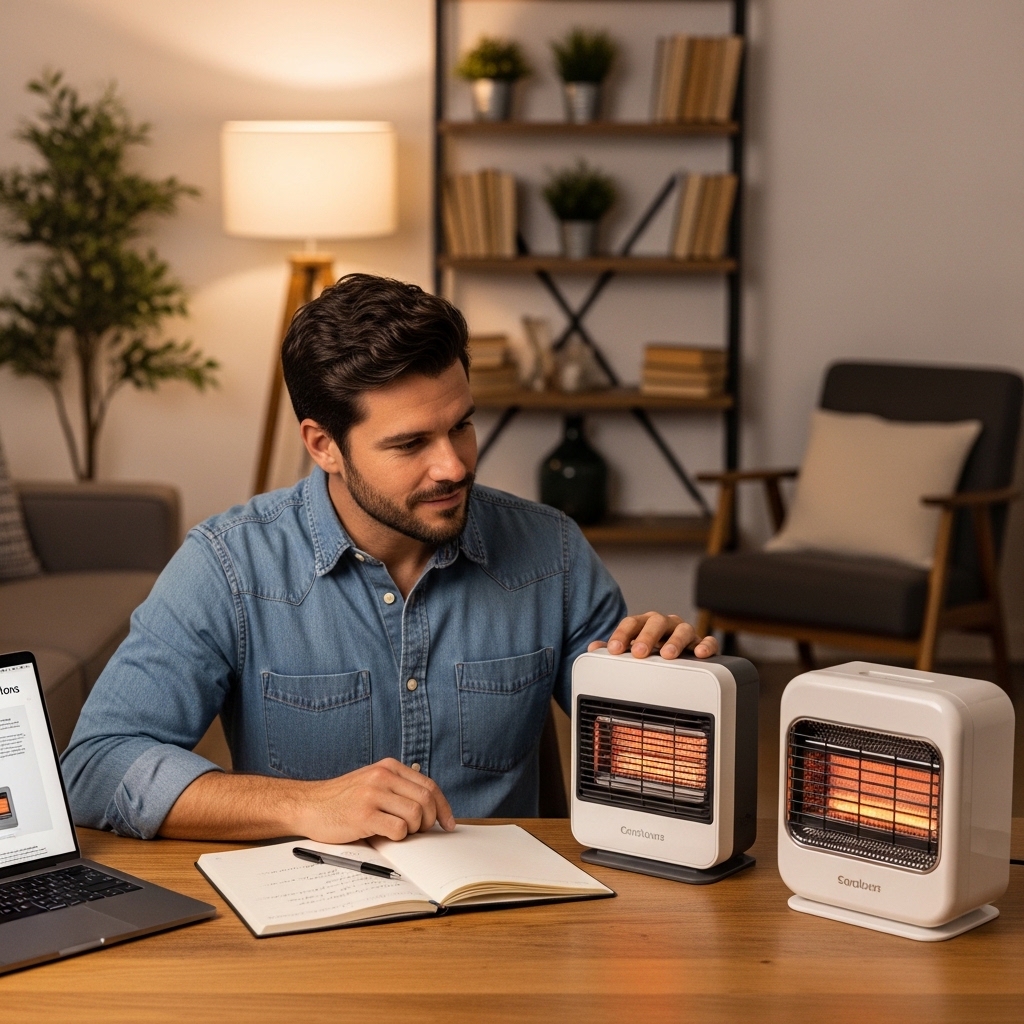

Many homeowners encounter the term feature fireplace during a remodel or when browsing design catalogs, often confused with standard masonry units. Unlike a basic wood-burning hearth, a feature fireplace is primarily an architectural focal point designed to enhance a room’s aesthetic appeal while providing supplemental warmth. It typically incorporates modern materials, custom surrounds, and advanced venting or electric systems that integrate seamlessly into contemporary home layouts.
The distinction matters because installation requirements, fuel options, and maintenance needs vary significantly between a decorative electric insert and a traditional gas unit. Understanding these differences helps you determine if a feature fireplace suits your specific space, heating needs, and local building codes. For those considering a new installation, reviewing the fireplace heater options for small spaces can provide context on how size and placement affect overall room utility and safety.

Pros
- Plugs directly into a standard 120-volt outlet without requiring venting or gas lines
- Flame effect operates independently from the heater for ambient viewing during warmer months
- Multi-function remote allows adjustments to temperature and flame brightness from a distance
- Supplemental infrared heating capacity covers spaces up to 400 square feet
Cons
- Requires measuring firebox dimensions beforehand to ensure adequate clearance for the 27-inch width
- Designed specifically for supplemental heat and will not replace a primary home heating system
The Country Living 27-Inch Electric Fireplace Log Set is designed to convert existing hearths or open room corners into functional supplemental heating spaces. This electric insert appeals to homeowners, renters, and property owners who want the visual ambiance of burning logs without dealing with chimney cleaning, firewood storage, or gas line installations. Because it operates entirely on electrical power, it provides a practical alternative for living rooms, bedrooms, and dens with pre-existing masonry fireboxes.
Heating performance comes from an integrated infrared heater designed to deliver supplemental warmth for areas up to 400 square feet. It operates via a standard 120-volt electrical connection, eliminating the need for specialized electrical work or venting flues. A notable operational feature is its year-round versatility, which allows the LED flame effect to function independently of the heating element. This separation gives users the flexibility to enjoy flickering embers on warm evenings without activating the heating output.
Day-to-day operation is managed with an included multi-function remote control. This remote allows users to turn the unit on and off, adjust the flame brightness levels, and regulate heating output without approaching the fireplace opening. The log set features simulated wood bark detailing and LED illumination set within a black framework, delivering an authentic fireside appearance while avoiding open flame hazards.
Proper placement requires careful evaluation of available space. The unit measures 9.1 inches deep, 27 inches wide, and 13.1 inches high, meaning hearth openings must be verified for depth, width, and height before purchase. Users should also ensure that an accessible 120-volt wall outlet is nearby to avoid routing cords across high-traffic areas, while keeping nearby combustible materials clear in accordance with manufacturer setup instructions.
For buyers seeking an accessible upgrade for a disused fireplace, this electric log set offers straightforward setup and reliable supplemental heating. While room size, ceiling height, and draft levels will influence heating performance, the combination of remote-controlled convenience, flame-only operation, and standard outlet compatibility makes it a dependable hearth solution.
The Country Living log set measures 9.1 inches deep by 27 inches wide by 13.1 inches high. Before purchase, measure the floor width, rear width, depth, and height of the existing firebox to confirm that the unit fits cleanly with adequate clearance for ventilation.
Because the unit is designed to sit directly inside a pre-existing fireplace or in a designated room corner, verifying electrical outlet proximity is essential. The plug-in cord requires an accessible standard 120-volt outlet that does not require modification to the hearth structure.
The included multi-function remote control governs the primary operating functions of the log set. Users can cycle system power, modify flame brightness settings, and set heating levels directly from their seating area.
The system supports independent flame display operation, allowing the realistic LED ember effects to run with the heat turned off. When heat is needed, the built-in infrared element activates to distribute supplemental heat across areas up to 400 square feet.

Pros
- Expansive 74-inch panoramic profile creates an impressive focal point under large televisions.
- Multiple convenient control methods including smart home voice commands, mobile app, and physical remote.
- Highly customizable visual aesthetics with 144 flame color combinations and interchangeable media.
- Effective supplemental heating coverage with precise thermostat control ranging from 62°F to 82°F.
Cons
- Requires a dedicated 120V 15A electrical circuit to prevent circuit breaker trips when running on high heat.
- Substantial 74-inch footprint demands careful wall framing and at least 11.8 inches of top clearance.
- Supplemental heating capacity works best for single zones rather than whole-home heating needs.
The Westinghouse 74-Inch Electric Fireplace Heater is an expansive, modern supplemental heating unit engineered for both flush in-wall recessed mounting and standard surface wall mounting. With its wide format and clean black trim, it is tailored primarily for homeowners, condo residents, and apartment dwellers who want to anchor a large living room, finished basement, or dedicated media wall setup. The wide glass face provides a bold modern aesthetic, making it an appealing visual upgrade beneath large flat-screen televisions in family entertainment areas.
For indoor comfort during colder weather, the unit offers selectable dual-wattage operation at 750 watts on low and 1500 watts on high. The integrated digital thermostat allows users to dial in target room temperatures from 62°F up to 82°F, helping maintain consistent warmth without constantly running the heating element at peak power. This makes it practical for zone heating during chilly evenings or movie nights, taking the edge off cool drafts in large open spaces while conserving central heating energy.
Visual ambiance is a major highlight, offering up to 144 color combinations across the flame displays and ember beds. Users can adjust flame burning speeds across five settings and fine-tune brightness across five levels to match ambient lighting during daytime or nighttime viewing. The package includes both faux wood logs and crystal ember media, allowing homeowners to shift between a cozy rustic hearth appearance and a sleek, contemporary linear look.
In terms of daily convenience, the fireplace integrates directly with smart home ecosystems like Amazon Alexa and Google Assistant, alongside a companion smartphone app and an included handheld remote. A built-in 24-hour timer allows scheduled shutoff for bedroom comfort or overnight safety. Standard electric safety design ensures cooler glass operation compared to open gas or wood fires, making it friendlier around curious children and pets.
Proper installation does require advance planning due to the unit's substantial dimensions and power requirements. It requires a dedicated 120-volt, 15-amp circuit to prevent tripping breakers, and the manufacturer recommends maintaining at least 11.8 inches of clearance between the top of the heater and any mounted mantels or TVs. While the installation process for recessed framing takes time and physical support due to its size, the clean, finished look provides a seamless architectural feel.
Overall, this 74-inch fireplace heater is well suited for homeowners seeking an expansive focal piece that blends convenient smart-home technology with dependable supplemental heat. It excels in finished basements, spacious primary bedrooms, and contemporary living rooms where both visual atmosphere and targeted comfort are priorities.
The fireplace fits rough wall openings measuring 73 inches wide by 15 inches high by 6 inches deep, with a back install casing of 72.75 inches by 14.34 inches by 5.56 inches. The finished front face spans 74 inches by 16.75 inches, offering full overlap coverage for a clean, built-in appearance.
Installers should ensure a minimum of 11.8 inches of overhead clearance from mantels, ceilings, or televisions to facilitate proper airflow. Because the 1500-watt heating mode draws significant power, the unit should be plugged into a dedicated 120V 15A electrical outlet without sharing the circuit with other high-draw household appliances.
Operating the fireplace is exceptionally versatile thanks to compatibility with Amazon Alexa, Google Assistant, the Westinghouse mobile app, and a traditional handheld remote. Voice commands allow for effortless heat adjustments and color changes without leaving the sofa during movie nights.
The flame effects can also operate completely independently from the heater, allowing users to enjoy relaxing visual warmth throughout the summer months without adding extra heat to the room. The integrated 24-hour timer provides straightforward scheduling for automated shutoff at night.

Pros
- Versatile control modes including voice integration, dedicated smartphone app, and a handheld remote.
- Multiple mounting options allow for either low-profile recessed installation or straightforward wall hanging.
- Broad aesthetic customization with 144 color combinations, multiple flame speeds, and two included media sets.
- Integrated digital thermostat supports specific temperature targeting between 62F and 82F.
Cons
- Requires a dedicated 120V 15A electrical circuit with no other appliances plugged in.
- Demands a minimum overhead clearance of 11.8 inches from the ceiling, mantel, or mounted television.
The Westinghouse 50-inch electric fireplace heater is engineered for indoor supplemental heating and visual ambiance, appealing to homeowners and renovators seeking a modern electric hearth. Its 50-inch linear profile functions well as a focal point beneath a wall-mounted display or as a central feature in living rooms, bedrooms, and dining spaces. Because it operates cleanly without wood, gas lines, or chimneys, it fits properties where venting infrastructure is not present or permissible.
Operating on two selectable heat settings of 750 watts and 1500 watts, the unit incorporates an internal thermostat that adjusts between 62F and 82F to help manage room comfort. Users can operate heating and flame functions through several interfaces, including an included remote, the Westinghouse smartphone application, or voice commands via Amazon Alexa and Google Home. A 24-hour timer facilitates scheduled operation. Visually, the fireplace provides up to 144 flame and ember bed color combinations, five independent brightness levels, and five flame speeds, complemented by interchangeable faux log and crystal media sets.
Framing and positioning require adherence to verified manufacturer specifications. The front-facing glass trim measures 50 inches wide by 15.75 inches high, while the rear recessed chassis measures 48.75 inches wide by 14.35 inches high by 5.56 inches deep. For in-wall recessed installations, the rough opening must measure 49 inches wide, 15 inches high, and 6 inches deep to seat the unit flush. Alternatively, the supplied hardware supports direct surface mounting on finished walls.
Safe setup involves specific electrical and clearance guidelines. The manufacturer specifies that the fireplace operates on a standard 120-volt, 15-amp circuit and explicitly warns against plugging other appliances into the same circuit. To ensure proper heat dissipation and avoid heat damage, the installation requires at least 11.8 inches of clearance between the top of the unit and any ceiling, mantel, or mounted television. Buyers must confirm that their target wall provides the required depth, overhead room, and direct electrical access.
As an electric supplemental heater, this fireplace is intended to add localized comfort and customizable ambiance rather than serve as a primary central heat source. Buyers comparing electric hearths should measure their wall dimensions, review circuit availability, and determine whether the linear 50-inch format aligns with their room layout. With its diverse control options, flexible installation configurations, and broad visual settings, it serves as a practical, adaptable heating appliance for compatible indoor spaces.
This electric fireplace provides dual setup flexibility, supporting either surface wall-mounting or in-wall recessed framing. For a flush recessed installation, the rough framing opening must measure 49 inches wide, 15 inches high, and 6 inches deep to properly accommodate the rear chassis dimensions of 48.75 by 14.35 by 5.56 inches.
Overhead clearance standards require at least 11.8 inches of open space between the top of the heater and any ceiling, mantel, television, or overhanging trim. The appliance is rated for a 120V 15A electrical circuit, and manufacturer guidelines state that no other household appliances should share the same circuit during operation.
Control options include a handheld remote, the Westinghouse mobile application, and hands-free voice commands via Amazon Alexa and Google Home. These control methods manage power, heating modes, a 24-hour countdown timer, and an adjustable digital thermostat ranging from 62F to 82F.
Visual customization allows up to 144 flame and ember color combinations, accompanied by five brightness levels and five flame burning speeds. The internal ember bed can be configured using either the included faux log set or decorative crystal stones to match interior decor preferences.

Pros
- Comprehensive control methods including voice commands, smartphone app, and a handheld remote
- Versatile flame aesthetic featuring 144 color combinations and multiple included ember bed materials
- Dual installation options allow for either surface hanging or clean flush mounting
- Adjustable thermostat allows specific temperature targeting between 62F and 82F
Cons
- Requires a dedicated 120V 15A electrical circuit without other appliances connected
- Demands at least 11.8 inches of overhead clearance, which may restrict low television placements
The Westinghouse 60-Inch Electric Fireplace Heater is designed for homeowners and renters seeking the visual warmth of a wide linear fireplace without the venting, gas line, or masonry requirements of traditional hearth appliances. Featuring a sleek black trim and a 60-inch front profile, this model works well in entertainment spaces, master bedrooms, and modern living rooms as a decorative focal point and supplemental heating source.
Heating operation is managed through dual power output modes at 750 watts and 1500 watts, regulated by an internal digital thermostat that adjusts between 62F and 82F. Users can manage heating and flame functions through multiple control channels, including direct pairing with Amazon Alexa and Google Home, the Westinghouse smartphone application, or the included handheld remote. A built-in 24-hour timer allows users to program runtimes in advance for scheduled shutoff.
Aesthetically, the appliance provides up to 144 flame and ember bed color combinations, five selectable flame burning speeds, and five brightness settings. The unit ships with interchangeable media options, allowing you to choose between traditional faux logs, camphor wood accents, or contemporary crystal embers depending on your room decor. The front-facing glass panel measures 60 inches wide by 15.75 inches high, offering an expansive viewing area.
Installation flexibility is a core attribute, as the unit supports either direct wall mounting or an in-wall flush recessed build. For recessed applications, the rear install chassis measures 58.75 inches wide by 14.35 inches high by 5.56 inches deep, designed to fit framed openings of approximately 59.06 by 15 by 6 inches. The manufacturer explicitly advises maintaining at least 11.8 inches of clearance between the top of the fireplace and any ceiling, mantel, or mounted television to ensure proper heat dissipation.
As an electrical appliance, this fireplace requires a standard 120V 15A electrical connection and should not share a circuit with other high-draw appliances. Like all electric fireplaces, it serves as a supplemental room heater rather than a whole-home heating solution, and it will not provide heat during household power outages. Buyers should carefully measure their wall framing and verify their circuit capacity prior to beginning installation.
Overall, this Westinghouse model is well-suited for buyers prioritizing smart-home convenience, wide viewing dimensions, and versatile ember media. If your space satisfies the 11.8-inch vertical clearance recommendation and has access to a dedicated circuit, this fireplace offers a modern, venting-free hearth upgrade.
This electric fireplace is engineered for two primary mounting styles: standard surface wall mounting using wall brackets or flush recessed installation into a framed stud cavity.
For recessed placement, the rear chassis measures 58.75 inches by 14.35 inches by 5.56 inches, designed specifically to fit rough framing cutouts measuring 59.06 inches wide, 15 inches high, and 6 inches deep.
Proper placement requires maintaining at least 11.8 inches of clearance above the fireplace to accommodate mantels, ceilings, or wall-mounted flat-screen televisions.
Control options include hands-free voice management through Amazon Alexa and Google Home, mobile management via the Westinghouse app, and an included infrared remote control.
The built-in digital thermostat allows temperature settings between 62F and 82F across 750W low and 1500W high heat outputs, alongside a 24-hour programmable timer.
Visual customization features 144 flame and ember color combinations, five independent flame speeds, and five brightness levels with interchangeable crystal and faux log media.
This fireplace runs entirely on electric power and does not require liquid propane, natural gas, wood, pellets, or chimney flues.
The manufacturer recommends connecting the unit to a 120V 15A electrical circuit and directs users to avoid operating other appliances on the same circuit.
Zero combustion means no venting, fresh air intake, or gas line maintenance is required during operation.
Defining the Feature Fireplace in Modern Homes
A feature fireplace is defined less by its fuel source and more by its role as a central design element in a room. While traditional fireplaces were functional necessities for heating, modern feature fireplaces prioritize visual impact, often serving as the anchor for a living room or media space. This shift means that the unit’s appearance, integration with surrounding architecture, and ability to create ambiance are as important as its heat output.
| Feature Type | Primary Fuel/Power | Typical Installation | Key Design Benefit |
|---|---|---|---|
| Electric Insert | 120V Electric | In-wall or Wall Mount | Customizable visuals, no venting |
| Gas Log Set | Propane/Natural Gas | Existing Masonry | Realistic flame, quick start |
| Direct Vent Gas | Propane/Natural Gas | Through-wall or Chimney | High efficiency, sealed system |
The table above highlights the three most common configurations encountered in residential settings, where each option offers a different balance between convenience, cost, and visual fidelity.
- Electric units allow for year-round use without heat, providing a distinct advantage in terms of operational flexibility and safety.
- Gas systems provide a more authentic burning experience, appealing to those who prioritize the traditional aesthetic of a real fire.
- However, gas systems require specific infrastructure, which can impact the overall cost and installation complexity for the homeowner.
When evaluating a feature fireplace, it is crucial to distinguish between the heating component and the decorative surround. The surround, which may be made of stone, tile, or metal, frames the firebox and defines the unit’s style. In many cases, the fireplace insert is a separate product that fits into a pre-built cavity, allowing homeowners to upgrade an existing space without a full masonry rebuild.
Homeowners often wonder if a feature fireplace can serve as the primary heat source for a home. While high-efficiency gas and electric units can supplement heating in smaller zones, they are rarely designed to heat an entire house. Their primary function remains ambiance and localized comfort, making them ideal for living rooms, bedrooms, or dens where a focal point is desired.
Electric vs. Gas: Choosing the Right Fuel Source
Electric feature fireplaces offer the simplest installation path because they do not require venting, gas lines, or chimney modifications. They plug into a standard 120V outlet, making them a viable option for renters or homeowners in older homes without existing gas infrastructure. The visual effects are created using LED technology and water vapor, allowing for customization of flame color and intensity.
Gas feature fireplaces, on the other hand, provide a more realistic burning experience with actual flame movement. They require a connection to either natural gas or propane and must be vented according to local codes. Direct vent systems are popular because they are sealed, drawing combustion air from outside and exhausting gases directly out, which improves indoor air quality and efficiency.
The choice between electric and gas often comes down to budget, installation complexity, and desired realism. Electric units are generally lower-cost to install and operate, while gas units may offer higher heat output and a more traditional look. Some users find that electric flames are sufficient for ambiance, while others prefer the crackle and movement of a gas fire.
Key Specifications to Verify Before Purchase
Before selecting a feature fireplace, you must measure the intended installation space accurately. Dimensions are critical because the unit must fit within the existing cavity or wall opening without compromising structural integrity. For electric inserts, check the width, height, and depth requirements, ensuring there is adequate clearance for heat dissipation.
- Measure the cavity width, height, and depth precisely.
- Check electrical outlet location and amperage capacity.
- Verify clearance requirements for mantels and ceilings.
- Confirm fuel type compatibility with home infrastructure.
- Review manufacturer instructions for ventilation needs.
Electrical requirements are a major consideration for electric models. Most units operate on 120V circuits, but some high-output heaters may require a dedicated 15A or 20A circuit. Plugging multiple appliances into the same outlet can overload the circuit and trigger breakers, so it is essential to plan the power supply layout before installation.
For gas units, the venting configuration is equally important. Direct vent systems typically require a concentric pipe that passes through an exterior wall or chimney. The pipe diameter and length affect the unit’s performance, so following the manufacturer’s venting guidelines is critical for safe and efficient operation.
Safety Considerations and Clearances
Safety is paramount when installing any fireplace, especially feature models that may be integrated into combustible wall structures. Manufacturers specify minimum clearances for mantels, ceilings, and side walls to prevent heat damage. These clearances vary by model and fuel type, so always refer to the installation manual for exact measurements.
Electric fireplaces generally pose fewer fire risks than open-flame units, but they still produce heat that can damage nearby materials if placed too close. Ensure that the unit is installed on a non-combustible surface and that there is adequate airflow around the unit to prevent overheating. Regularly check that the power cord is not damaged and that the unit is not obstructed by furniture or curtains.
Gas fireplaces require additional safety checks, including gas leak detection and proper ventilation. If you smell gas or notice unusual flame colors, shut off the gas supply and contact a professional immediately. Regular maintenance, such as cleaning the glass and checking the burner, helps ensure safe operation and prolongs the unit’s lifespan.
Installation Feasibility and Local Codes
Installing a feature fireplace is not always as simple as placing a unit in a corner. Local building codes may require permits, inspections, and specific installation methods depending on the fuel type and location. For example, gas installations often require a licensed contractor to handle the gas line and venting, while electric units may have fewer regulatory hurdles.
Homeowners should consult with local authorities or a qualified installer to determine the requirements for their specific project. This step helps avoid costly rework and ensures that the installation meets safety standards. Understanding the code requirements early in the planning process can save time and money in the long run.
For those considering a retrofit in an existing home, the structural integrity of the wall is a key factor. In-wall recessed installations require a cavity of specific dimensions, which may not be present in older homes. In such cases, a wall-mount or freestanding option may be more practical, though it may limit the aesthetic integration of the feature fireplace.
Maintenance and Long-Term Care
Maintenance needs differ significantly between electric and gas feature fireplaces. Electric units require minimal upkeep, primarily dusting the exterior and checking the power cord for damage. The LED components and fan system should be kept clean to ensure optimal performance and prevent overheating.
Gas fireplaces require more regular attention, including cleaning the glass, checking the burner for blockages, and inspecting the venting system for obstructions. Annual professional inspections are recommended to ensure that the gas line is secure and that the venting is functioning correctly. This maintenance helps prevent carbon monoxide buildup and other safety hazards.
Some users report that the visual appeal of electric fireplaces can fade over time as the LED bulbs age, though most modern units use long-lasting LEDs that require replacement only after several years. Gas units, on the other hand, may experience wear on the burner and logs, which can be replaced to maintain the realistic appearance.
Cost Considerations and Value
The cost of a feature fireplace varies widely based on type, size, and installation complexity. Electric units are generally the most affordable option, with lower installation costs due to the lack of venting or gas line requirements. Gas units are more expensive upfront but may offer higher heat output and a more authentic experience.
Operating costs also differ, with electric units typically costing more to run at high heat settings than gas units. However, electric units can be used without heat for ambiance, which reduces energy consumption. Gas units consume fuel only when the flame is lit, making them more efficient for consistent heating use.
When evaluating value, consider the long-term benefits of each option. Electric fireplaces offer flexibility and ease of use, while gas fireplaces provide a traditional look and potentially lower operating costs. The best choice depends on your specific needs, budget, and home infrastructure.
Design Integration and Aesthetics
The aesthetic appeal of a feature fireplace is a major selling point for many homeowners. Modern designs offer a range of styles, from minimalist electric inserts to elaborate masonry surrounds. The choice of materials, such as stone, tile, or metal, can enhance the room’s overall design and create a cohesive look.
Color-changing flame options, available in many electric models, allow for customization to match the room’s decor or mood. This feature adds versatility, enabling the fireplace to serve as a dynamic design element that can be adjusted for different occasions. Gas units typically offer a more consistent flame color, which may be preferred by those seeking a traditional look.
Integration with smart home systems is another trend in feature fireplace design. Many electric models are compatible with voice assistants and mobile apps, allowing for remote control and scheduling. This convenience adds to the overall value of the unit, making it a practical and stylish addition to modern homes.
Ultimately, a feature fireplace is a blend of function and form. By understanding the differences between fuel types, installation requirements, and maintenance needs, you can make an informed decision that enhances your home’s comfort and aesthetic appeal. Whether you choose an electric insert for its convenience or a gas unit for its realism, the key is to select a model that fits your space and meets your specific heating and design goals. For more insights on heating solutions, explore our guide on gas fireplace options for realistic heat.





Write Your Review
No reviews yet. Be the first to share your experience!