
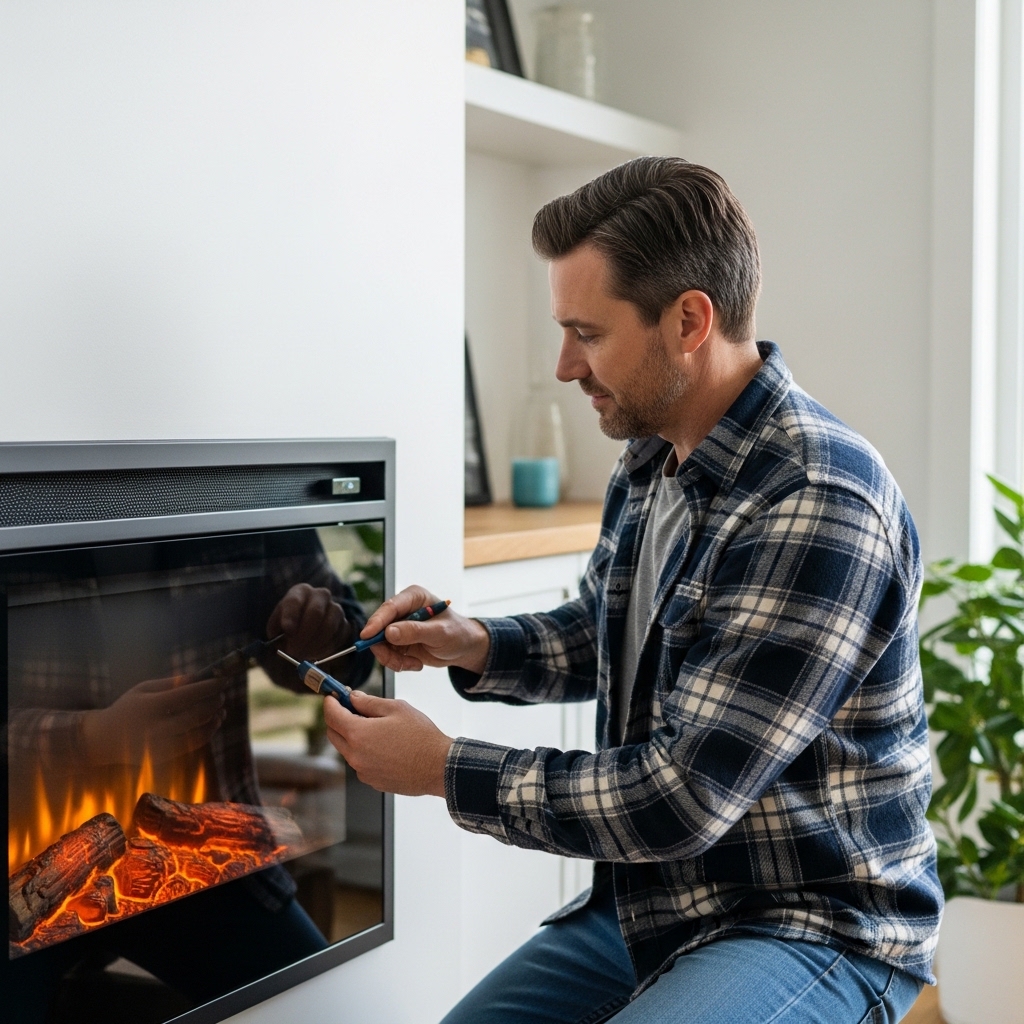

Identifying the specific type of what kind of gas fireplace do i have is the first step to ensuring safe operation and proper maintenance. Homeowners often find themselves unsure whether their unit is vented, vent-free, or direct-vent, which significantly impacts how the system functions and what safety precautions are required. Determining the configuration helps you understand fuel usage, clearance requirements, and whether the unit is suitable for supplemental heating or primarily ambiance.
This guide walks through the practical methods for identifying your fireplace type by examining physical components, checking manufacturer labels, and observing operational behavior. Knowing the difference between these systems is essential for routine inspections, as vent-free units have different oxygen requirements than vented systems. For those looking to understand broader heating options, our gas fireplace guide provides additional context on how different flame technologies work in residential settings.

Identifying Your Gas Fireplace Type
Gas fireplaces are generally categorized into three main types: vented, vent-free (also known as unvented), and direct-vent. Each type operates differently and requires specific installation and maintenance protocols. Identifying which one you have is straightforward if you know where to look. The most reliable method is to locate the manufacturer’s data plate or nameplate, which is typically found inside the firebox, behind the logs, or on the side of the unit. This plate lists the model number, serial number, and often the specific configuration type.
| Feature | Vented Fireplace | Vent-Free Fireplace | Direct-Vent Fireplace |
|---|---|---|---|
| Exhaust Path | Through chimney or wall vent | Into the room | Through sealed pipe |
| Oxygen Source | Room air | Room air | Outdoor air | Heating Efficiency | Moderate | High (heat stays in room) | High | Maintenance Focus | Chimney cleaning | Ember/combustion check | Seal integrity |
If the data plate is missing or illegible, you can identify the type by inspecting the exhaust system. Vented units have a visible flue or pipe that carries combustion gases outside. Vent-free units do not have an external exhaust pipe; instead, they release water vapor and trace amounts of combustion byproducts directly into the room. Direct-vent units use a sealed pipe system that draws outdoor air for combustion and exhausts gases outside, maintaining a sealed barrier between the firebox and the room.
Understanding these distinctions is crucial because operating a vent-free unit in a poorly ventilated space can lead to oxygen depletion. Conversely, using a vented unit without proper chimney maintenance can cause smoke backflow. The physical appearance of the logs and embers can also offer clues. Vent-free units often use ceramic logs that are designed to burn more cleanly and produce less soot, as any residue remains in the room. Vented units may use logs that produce more realistic flame effects, as the soot is carried away by the exhaust.
For homeowners who are unsure, checking the installation manual is another reliable method. The manual will specify the required clearances, venting type, and safety features. If you purchased the home recently, the previous owner may have documentation that identifies the unit. If no documentation exists, a professional inspection is recommended to confirm the type and ensure the system is operating safely. This is particularly important for older units that may have been modified or installed without a permit.
Checking the Venting Configuration
The venting system is the most definitive indicator of your fireplace type. For vented fireplaces, look for a chimney or a pipe that extends through the roof or an exterior wall. This pipe is usually made of metal or masonry and is visible from the outside. If you see a vent pipe on your roof or wall, you likely have a vented or direct-vent unit. Direct-vent pipes are typically double-walled, with an outer casing and an inner pipe, creating a gap for air intake.
Vent-free units, on the other hand, have no external venting. The firebox is sealed to prevent gas leaks, but the exhaust is released into the room. This design is efficient because it retains more heat, but it requires careful monitoring of indoor air quality. Some vent-free units come with an oxygen depletion sensor (ODS) that automatically shuts off the unit if oxygen levels drop too low. If your unit has this sensor, it is a strong indicator that it is a vent-free model.
Direct-vent units use a sealed system that does not rely on room air for combustion. This makes them safer for homes with tight building envelopes or poor ventilation. The pipe for a direct-vent unit is usually smaller in diameter than a traditional chimney and is designed to handle the specific temperature and pressure of the exhaust. Identifying this type is important because it requires different maintenance than a vented unit. Direct-vent systems do not need annual chimney sweeping, but they do require periodic checks of the pipe seals and joints.
Recognizing Vent-Free Specific Components
Vent-free fireplaces have specific components that are not found in vented models. One of the most common is the glowing ember effect. These embers are designed to glow brightly and provide a realistic look, but they can also indicate the type of fuel being used.
Vent-free units often use a specific type of gas that burns with a lower flame temperature to reduce soot production. The logs in vent-free units are also typically made of ceramic, which is more resistant to heat and less likely to crack or discolor over time.
Another indicator is the presence of a catalytic converter or burner plate. Some vent-free units use a catalytic converter to further reduce emissions. This component is usually located under the logs and is visible when the logs are removed. If you see a metal plate with small holes or a mesh screen, it may be part of the combustion system. These components require regular cleaning to ensure they function correctly and do not become clogged with debris.
It is important to note that vent-free units are not allowed in all jurisdictions. Some local codes prohibit the use of vent-free gas fireplaces due to concerns about indoor air quality. If you are unsure whether your unit is compliant with local regulations, it is a good idea to check with your local building department. This is especially important if you are planning to sell your home, as non-compliant units can be a deal-breaker for buyers.
- Check for an external vent pipe on the roof or wall.
- Look for an oxygen depletion sensor inside the firebox.
- Inspect the logs for ceramic material and clean burn patterns.
- Review the installation manual for venting specifications.
- Verify local code compliance for vent-free units.
Understanding Direct-Vent Systems
Direct-vent fireplaces are a popular choice for homeowners who want the efficiency of a gas fireplace without the risks associated with vent-free units. These systems use a sealed pipe that draws outdoor air for combustion and exhausts gases outside. This design ensures that the room air is not affected by the combustion process, making it a safer option for homes with children or pets. The pipe is usually installed through a wall or roof and is designed to prevent backdrafts.
One of the advantages of direct-vent units is that they can be installed in a variety of locations, including corners and against exterior walls. This flexibility makes them a good choice for homes with limited space. Direct-vent units are also more efficient than vented units because they do not lose heat through the chimney. The heat produced by the fire is retained in the room, providing supplemental heat for the space.
Maintenance for direct-vent units is relatively simple. The primary concern is ensuring that the pipe seals and joints are intact. Over time, these seals can degrade, leading to gas leaks or reduced efficiency. Regular inspections can help identify these issues before they become serious. If you notice any signs of gas leakage, such as a rotten egg smell, shut off the gas supply and call a professional immediately.
Maintenance and Safety Checks
Regardless of the type of gas fireplace you have, regular maintenance is essential for safe and efficient operation. For vented units, the chimney should be inspected and cleaned at least once a year to remove soot and creosote buildup. This buildup can restrict airflow and increase the risk of chimney fires. For vent-free units, the focus is on cleaning the burner and checking the oxygen depletion sensor. These components should be inspected by a qualified technician to ensure they are functioning correctly.
Direct-vent units require checks of the vent pipe and seals. Look for any signs of corrosion, cracks, or loose connections. The pipe should be free of obstructions, such as bird nests or debris. Regular maintenance helps prevent costly repairs and ensures that the fireplace operates safely. It is also a good idea to keep a log of maintenance activities, including the date of service and any issues found.
Safety is a top priority when operating a gas fireplace. Never use the fireplace if you smell gas or notice any unusual sounds or flames. Always follow the manufacturer’s instructions for operation and maintenance. If you are unsure about any aspect of your fireplace’s operation, consult a qualified professional. They can perform a thorough inspection and provide recommendations for any necessary repairs or upgrades.
- Inspect vent pipes for cracks, corrosion, or loose joints.
- Check oxygen depletion sensors for proper function.
- Clean burners and logs to remove soot and debris.
- Verify that clearances to combustible materials are maintained.
- Schedule annual professional inspections for all unit types.
Common Misconceptions About Gas Fireplaces
One common misconception is that all gas fireplaces are the same. In reality, there are significant differences between vented, vent-free, and direct-vent units. Each type has its own advantages and disadvantages, and the right choice depends on your specific needs and home layout. Another misconception is that vent-free units are unsafe. While they do require careful operation, modern vent-free units are equipped with safety features that make them a viable option for many homes.
Some homeowners believe that direct-vent units are always more expensive than vented units. While direct-vent units may have a higher initial cost, they can be more cost-effective in the long run due to their higher efficiency and lower maintenance requirements. It is important to consider the total cost of ownership, including installation, operation, and maintenance, when choosing a gas fireplace.
Another misconception is that gas fireplaces do not require maintenance. All gas fireplaces require regular maintenance to ensure safe and efficient operation. Neglecting maintenance can lead to serious safety issues, including gas leaks and chimney fires. By understanding the specific needs of your unit type, you can ensure that your fireplace provides years of safe and reliable service.
Knowing what kind of gas fireplace do i have empowers you to take control of your home’s heating system. Whether you have a vented, vent-free, or direct-vent unit, regular inspections and proper maintenance are key to safe operation. By identifying your unit type and understanding its specific requirements, you can ensure that your fireplace remains a safe and efficient part of your home. For those interested in how different heating technologies compare, our fireplace heater safety guide offers further insights into safe home heating practices.


Write Your Review
No reviews yet. Be the first to share your experience!