


If you are weighing vent free vs vented gas fireplace inserts, the primary distinction lies in how combustion byproducts are handled. Vent-free units release heat and moisture directly into the room, while vented models exhaust gases through a chimney or direct vent system. This choice impacts indoor air quality, installation complexity, and local code compliance. The right option depends on your home’s existing infrastructure and your preference for convenience versus ventilation.
Many homeowners face this decision when upgrading an existing fireplace or installing a new unit. Understanding the mechanical differences helps you avoid costly mistakes during installation. Vent-free options offer higher efficiency in terms of heat retention but require strict clearance and oxygen monitoring. Vented systems provide better air quality and often higher heat output but require a working chimney or new venting. This guide breaks down the technical and practical aspects of both types to help you make an informed choice for your living space.


Pros
- Massive 30,000 BTU output provides rapid and consistent supplemental warmth for expansive rooms
- Dual fuel capability allows straightforward hookup to either natural gas lines or liquid propane tanks
- Dual burner system creates realistic, full-bodied flame aesthetics inside the firebox
- Durable cold-rolled steel construction provides a sturdy, traditional cast-iron aesthetic
- Continues to provide emergency heat during winter electrical power outages
Cons
- Circulation blower fan is sold separately and does not come standard in the box
- At 78 pounds, the unit requires two people for safe unboxing and placement
- Vent-free appliances require adequate room ventilation and may not be approved in all local building jurisdictions
The Pleasant Hearth VFS2-PH30DT is a freestanding, vent-free gas stove engineered to deliver robust supplemental heat without the need for an external chimney or venting system. Finished in a classic black finish with a cold-rolled steel body, this 32-inch unit fits naturally into spacious living rooms, finished basements, and open-concept family spaces. Homeowners seeking reliable warmth during cold snaps or looking to offset central heating bills will appreciate its timeless woodstove silhouette combined with clean gas efficiency.
With a maximum heat capacity of 30,000 BTU per hour, this intermediate stove is rated to warm areas up to 1,000 square feet. Based on product specifications, the stove incorporates a dual burner configuration that creates two distinct rows of lively flames. This setup produces strong radiant heat while delivering the visual ambiance of a traditional hearth fire. The integrated thermostat monitors ambient temperatures and cycles fuel delivery accordingly, helping prevent rooms from overheating while conserving fuel over long winter evenings.
Flexibility is a strong selling point for this model thanks to its dual fuel engineering. Homeowners can configure the unit to run on either liquid propane or natural gas, depending on existing home hookups. Because the stove operates primarily via natural air convection, it runs silently without distracting mechanical hums. Those who prefer pushed air circulation can purchase an optional add-on blower, but the standard convection draft does a commendable job circulating rising heat across large rooms.
Safety and clearance planning are essential with any vent-free indoor heating system. The stove includes an overheat sensor to help monitor safe operational temperatures. Owners should plan their floor space carefully, observing manufacturer guidelines that require at least 5 inches of rear wall clearance and 36 inches of clearance above the unit. Because the stove produces combustion warmth directly into the living space, ensuring baseline fresh air turnover is recommended for indoor comfort.
Setting up the Pleasant Hearth stove requires connecting it to a regulated gas source, meaning professional installation is strongly advised to verify gas pressure and seal connections safely. Once properly connected, the stove requires minimal upkeep beyond occasional dusting and burner checks. For homeowners needing dependable warmth that functions even during winter power failures, this freestanding stove represents a functional and visually comforting heating investment.
Generating up to 30,000 BTU per hour, this freestanding gas stove provides serious thermal output capable of heating expansive open living areas up to 1,000 square feet. The dual burner setup establishes two staggered rows of flames, yielding intense radiant warmth and an attractive visual depth inside the firebox.
Because the unit uses a vent-free design, thermal efficiency is exceptionally high since no warmth escapes upward through a chimney pipe. The onboard thermostat modulates flame output to maintain steady indoor temperatures, allowing you to use zone heating strategies to reduce reliance on primary furnace systems.
Proper placement requires observing minimum clearance distances of 5 inches from back walls and 36 inches from any overhead structures or mantels. Weighing approximately 78 pounds, the unit is solid and stable, making a two-person team helpful during transit and positioning.
Thanks to dual fuel capability, the stove accommodates liquid propane or natural gas connections. Given the precision required for gas line hookups and pressure regulation, hiring a licensed gas professional for final connection ensures code compliance and long-term peace of mind.

Pros
- High 90,000 BTU capacity generates robust supplemental heat for large living areas
- Exceptionally detailed hand-painted ceramic logs with steel reinforcement resist heat damage
- Comprehensive kit includes burner, grate, damper clamp, sand, embers, and gas fittings
- Eliminates the soot, smoke, and continuous ash cleanout of traditional cordwood
Cons
- Requires a fully vented wood-burning fireplace with an open damper and cannot be used in vent-free fireboxes
- Comes standard as match-lit, requiring manual lighting unless an optional pilot kit is added
- Designed strictly for residential natural gas lines and does not support liquid propane out of the box
The Real Fyre 24-Inch Live Oak Vented Gas Log Set is a heavy-duty natural gas fireplace insert designed to convert traditional, drafty wood-burning hearths into clean, instant sources of warmth. This vented setup is best suited for homeowners who want the charm of an open fire in their main living room or family gathering area without dealing with firewood, soot, and ash. Because it requires a functioning chimney with an open damper, it is tailored specifically for existing masonry or factory-built vented fireplaces rather than small apartments or vent-free fireboxes.
Generating up to 90,000 BTU of heat output, this burner system provides robust supplemental warmth that easily counters winter chills across large open-concept living spaces and basements with existing chimneys. The dancing yellow flames wrap naturally around the log stack, generating radiant heat while the included silica sand and glowing embers produce an authentic coal-bed glow. While vented gas logs naturally lose some heat up the chimney flue compared to direct-vent or vent-free units, the substantial BTU capacity ensures a noticeable, cozy warmth throughout the room during family movie nights or relaxed weekend evenings.
Build quality is a standout feature of the Real Fyre collection. The six included logs are molded from high-density refractory ceramics and reinforced with internal steel rods, allowing them to withstand high temperatures year after year without cracking or crumbling. Hand-painted bark details, split-wood textures, and realistic coloration give the logs a natural appearance whether the fire is burning or idle. The heavy steel grate and vented burner tube provide a stable foundation, keeping the logs securely positioned for optimal flame patterns and safe operation.
Installation is straightforward for professional gas technicians or experienced DIY homeowners with existing natural gas supply lines. The package includes the necessary burner, grate, damper clamp, and gas connection fittings to complete the installation. In its standard configuration, the system utilizes a simple match-lit valve that requires manual ignition with a fireplace match or long lighter. For homeowners seeking extra convenience or child-friendly operation, the burner is fully compatible with add-on safety pilot kits and remote controls, allowing you to upgrade your control scheme down the road.
Before buying, homeowners must carefully measure their firebox dimensions. The manufacturer advises a minimum front width of 28 inches, rear width of 23 inches, and depth of 13 inches to ensure proper log clearance and draft dynamics. Because this system consumes natural gas and must be vented through an open chimney flue, it is not an option for homes without a chimney or those relying on liquid propane. Overall, for homeowners with a traditional vented fireplace seeking an authentic log appearance, substantial heat output, and freedom from firewood chores, this Real Fyre set represents a dependable, premium heating upgrade.
With a maximum rating of 90,000 BTU, this vented gas log set produces bold, lively flames that generate substantial radiant heat. It is engineered to deliver effective supplemental warmth to chilly living rooms, family rooms, or great rooms while creating a focal point of comfort.
Because the damper must remain clamped open during operation, a portion of the heat naturally escapes through the chimney flue, which is standard for all vented gas systems. However, the high BTU threshold and dense ceramic logs absorb and re-radiate warmth into your living space, making it a reliable heat source during freezing winter evenings.
This set requires an existing, fully functional wood-burning fireplace with a clear flue and an active natural gas supply line. The included damper clamp is a vital safety accessory that ensures the chimney damper stays permanently cracked open to safely vent exhaust gases outside your home.
The package provides the basic gas connection kit, burner, and grate, but professional installation by a certified gas plumber or fireplace technician is strongly encouraged to ensure leak-free connections and proper gas pressure. Always verify your firebox dimensions before purchase, ensuring at least 28 inches of front width and 13 inches of interior depth.
The core difference between these two types of gas fireplace inserts is the path of the combustion products. A vent-free insert burns gas and releases carbon dioxide, nitrogen oxides, and water vapor directly into the room. A vented insert burns gas and exhausts these byproducts outside through a flue. This fundamental distinction dictates the installation requirements, safety features, and heating performance of each unit. You must verify local building codes, as some jurisdictions restrict or ban vent-free appliances due to indoor air quality concerns.
| Feature | Vent-Free Insert | Vented Insert |
|---|---|---|
| Heat Efficiency | High (near 100%) | Lower (60-80%) |
| Indoor Air Quality | Affected by combustion byproducts | Maintained via exhaust |
| Venting Requirement | None (requires oxygen sensor) | Chimney or direct vent |
| Installation Complexity | Lower (no chimney needed) | Higher (requires flue) |
| Heat Output | Moderate (e.g., 30,000 BTU) | High (e.g., 90,000 BTU) |
Before selecting an insert, review the following compatibility and safety factors to ensure your home can support the chosen system:
- Check if your home has a functional chimney or direct vent path.
- Verify local codes regarding vent-free appliance usage in occupied spaces.
- Measure the firebox opening to confirm the insert fits properly.
- Ensure adequate room ventilation for vent-free units to prevent moisture buildup.
- Confirm gas line availability and type (natural gas vs. propane).
- Review manufacturer clearances for walls, ceiling, and combustible materials.
Understanding Vent-Free Operation and Efficiency
Vent-free inserts are designed to maximize heat retention by keeping all combustion energy inside the room. These units typically include an oxygen depletion sensor (ODS) that shuts off the gas if oxygen levels drop below a safe threshold. This safety feature is mandatory for vent-free models to prevent carbon monoxide accumulation. The high efficiency means less fuel is wasted, making them attractive for supplemental heating in well-sealed homes. However, the release of moisture can increase indoor humidity, which may lead to condensation on windows or walls if ventilation is poor.
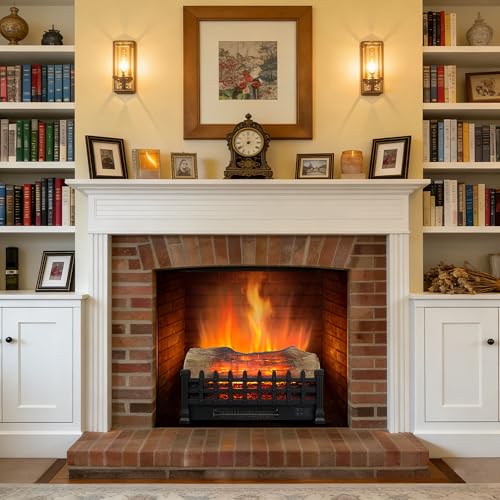
The 18-in Southern Oak Vent Free Gas Log Set exemplifies this type, offering dual-fuel capability for propane or natural gas. It is rated for up to 30,000 BTU/hr, suitable for heating up to 1,000 square feet. The dual burner system creates a layered flame effect, enhancing visual appeal while providing consistent heat. Hand-painted ceramic logs and decorative lava rock add realism and help reflect radiant heat. Always check local regulations, as some areas restrict vent-free logs in bedrooms or small enclosed rooms.
Vented Systems and Heat Output Capabilities
Vented inserts prioritize indoor air quality by exhausting combustion byproducts outside. This design allows for higher heat outputs because the system can handle more fuel burn without affecting room air. The Real Fyre 24-Inch Live Oak Vented Gas Log Set is a match-lit set designed for fully vented wood-burning fireplaces.
It produces up to 90,000 BTU, providing strong radiant warmth for larger spaces. The set includes six hand-painted ceramic logs, a steel-reinforced grate, silica sand, and glowing embers for a realistic fire appearance. This type is ideal for homeowners with existing chimney structures who want a robust heating solution.
The venting requirement means you must have a properly sized and sealed flue. Direct vent systems use a coaxial pipe to draw in outside air for combustion and exhaust byproducts, creating a sealed system. This prevents backdrafting and ensures consistent performance. Installation may require professional modification of the existing chimney or the addition of a new vent path. The fit guidance for vented sets often specifies minimum opening dimensions to ensure safe clearance from combustible materials.
Installation Requirements and Clearance Considerations
Installation is a critical step that determines the safety and performance of your gas fireplace insert. Vent-free units require specific clearances from walls and ceilings to prevent heat damage. The Pleasant Hearth VFS2-PH30DT specifies a minimum clearance of 5 inches from walls and 36 inches above the stove.
These dimensions must be measured carefully to ensure compliance with manufacturer instructions. The unit is made of cold-rolled steel and includes a built-in thermostat and overheat sensor for added safety. Dual-fuel technology allows operation with either LP or natural gas, providing flexibility based on your local gas supply.
Vented inserts require a compatible venting system that matches the manufacturer’s specifications. The vent size, material, and routing must align with the insert’s exhaust requirements. Improper venting can lead to carbon monoxide leaks or poor combustion efficiency. Professional installation is recommended to ensure that all connections are secure and that the system meets local building codes. If you are considering a vented system, verify that your existing chimney is in good condition and free of obstructions or cracks.
Safety Features and Indoor Air Quality Impacts
Safety is paramount when operating gas fireplace inserts. Vent-free units rely on oxygen depletion sensors and flame supervision devices to prevent hazardous conditions. These sensors monitor the room’s oxygen levels and shut off the gas supply if levels drop too low. While effective, vent-free units can still contribute to indoor air pollutants if the room is not adequately ventilated. Regular maintenance and inspection of the ODS are essential to ensure it functions correctly. Homeowners should be aware of the potential for moisture buildup and consider using a dehumidifier if necessary.
Vented units eliminate most indoor air quality concerns by exhausting byproducts outside. This makes them a safer choice for homes with poor natural ventilation or for users with respiratory sensitivities. The sealed combustion process in direct vent systems also prevents the draw of indoor air into the firebox, which can help maintain consistent indoor temperature. However, vented units require regular chimney inspections to ensure no creosote buildup or blockages occur. Following the manufacturer’s safety guidelines and local regulations is crucial for both types of inserts.
Choosing the Right Insert for Your Home
Selecting the right gas fireplace insert depends on your specific needs and home infrastructure. If you have a working chimney and want high heat output, a vented insert like the Real Fyre set may be the best choice. It provides powerful heating and maintains indoor air quality.
If you lack a chimney or want a simpler installation, a vent-free unit could be more suitable. Ensure that your local codes allow vent-free appliances in your home. Consider the size of the room you intend to heat, as vent-free units are often better for smaller spaces, while vented units can handle larger areas.
Also consider the fuel type available in your area, as dual-fuel units offer flexibility but may require additional components for propane operation.
- Review the included accessories, such as burners, grates, and connection kits, to ensure they meet your needs.
- Some sets, like the Real Fyre, are upgrade-ready for manual safety pilots or remote controls, which can enhance convenience.
- Always consult with a qualified professional for installation and to verify that your setup complies with all safety standards and local regulations.
For more insights on maintaining safe and efficient heating solutions, you may find our guide on gas fireplace options helpful. This resource covers additional types and features to consider for your home.
Ultimately, the choice between vent-free and vented gas fireplace inserts comes down to balancing efficiency, safety, and installation constraints. Vent-free units offer high heat retention but require careful monitoring of indoor air quality. Vented units provide superior air quality and higher heat output but demand a functional venting system.
By understanding these differences and evaluating your home’s specific conditions, you can select an insert that meets your heating needs while ensuring safe and compliant operation. Always prioritize professional installation and regular maintenance to maximize the lifespan and performance of your gas fireplace.




Write Your Review
No reviews yet. Be the first to share your experience!