
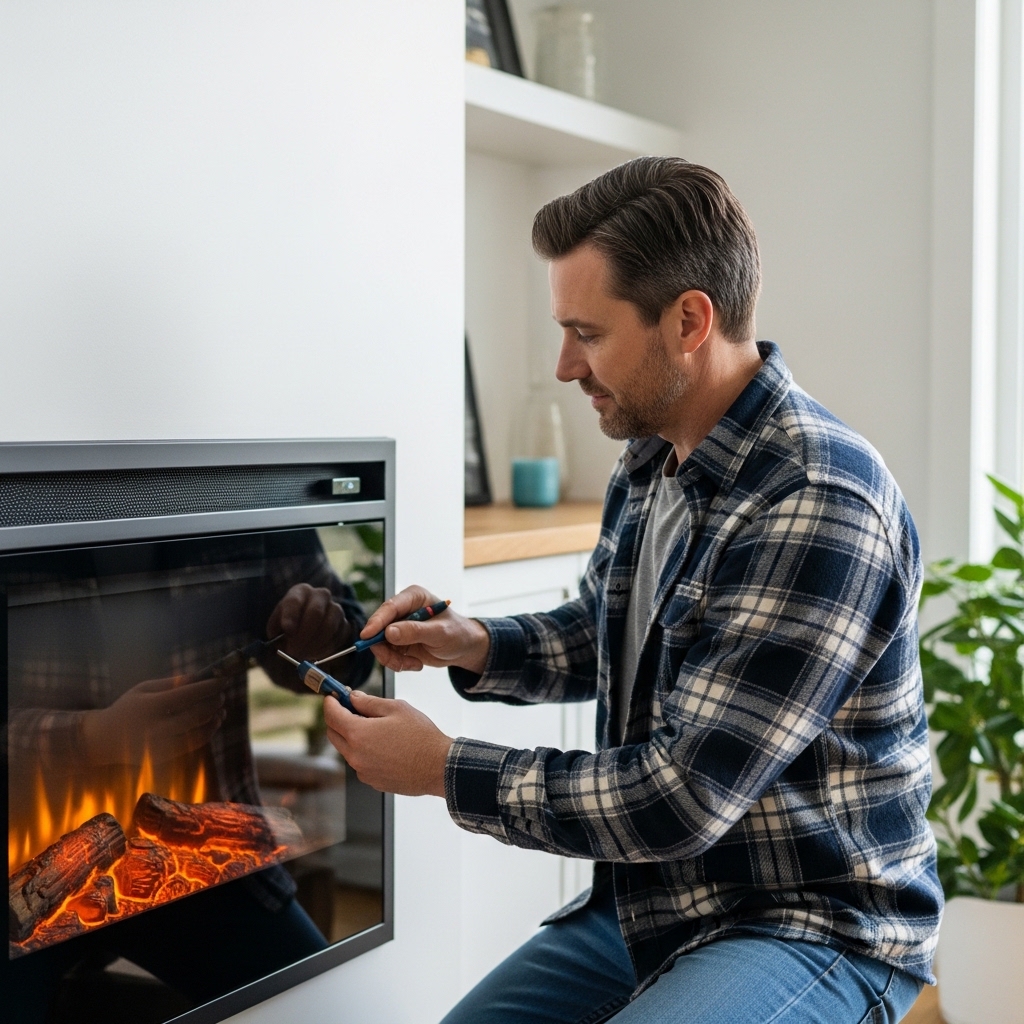

Most gas fireplaces require the flue to be closed during operation, but the correct setting depends entirely on the specific venting configuration of your unit. Whether the damper or vent should remain open or closed is a critical safety question for should gas fireplace flue be open or closed inquiries, as incorrect operation can lead to carbon monoxide buildup or inefficient heating. Understanding the difference between direct vent, B-vent, and vent-free systems is the first step in ensuring your home remains safe and your fireplace functions as intended.
Many homeowners assume that all fireplaces work like traditional wood-burning models, which require an open chimney for draft. However, modern gas units are engineered with specific airflow requirements that differ significantly from older designs. If you are unsure about your setup, the manufacturer’s manual is the definitive source for your specific model. For broader context on how different heating options fit into a living room, you might also find our gas fireplace guide helpful for understanding unit classifications.

Gas Fireplace Flue Position: A Practical Guide for Homeowners
The position of the flue or damper in a gas fireplace is not a one-size-fits-all decision; it is dictated by the engineering of the combustion system. Direct vent fireplaces, which are the most common in modern installations, use a sealed system that draws outside air for combustion and exhausts directly out.
In these units, the vent is a continuous, sealed pipe, and there is no “damper” to open or close in the traditional sense. The system is always “open” to the outside via the vent pipe, but the interior of the firebox is sealed from the room. For these, you do not adjust a flue lever; you simply operate the fireplace.
| Vent Type | Flue/Damper Status | Key Characteristic |
|---|---|---|
| Direct Vent | Sealed/No Damper | Uses outside air, sealed firebox |
| B-Vent | Open | Uses indoor air, requires draft |
| Vent-Free | N/A (No Flue) | Exhausts into the room, no chimney |
Identifying your vent type is the prerequisite for answering the question of whether to open or close the flue. Misidentifying the system can lead to dangerous operational errors. Before making any adjustments, you should verify the type of venting installed in your home. The physical appearance of the exterior vent cap and the interior firebox construction provide clear clues.
Here is a quick checklist to help you identify your specific venting system before you attempt to operate the unit:
- Check for a double-walled pipe exiting the wall or roof, which indicates direct vent.
- Look for a single metal pipe running up a chimney, which suggests B-vent.
- Inspect the firebox for a sealed glass front, common in direct vent units.
- Verify if there is no vent pipe at all, which identifies a vent-free system.
- Consult the model name plate inside the firebox for the vent type specification.
- Review the installation manual if available to confirm the required airflow setup.
Direct Vent Systems and Sealed Combustion
Direct vent fireplaces are designed to be sealed systems. They draw combustion air from outside the home and exhaust combustion gases directly outside through a double-walled vent pipe. This design ensures that no indoor air is used for burning fuel, and no exhaust gases enter the living space. Because the system is sealed, there is no chimney damper to manage. The “flue” is effectively the vent pipe itself, which remains open to the atmosphere at both ends (intake and exhaust) but is insulated to keep the two air streams separate.
For these units, the question of opening or closing a flue is technically moot because there is no internal damper to adjust. The system relies on the natural draft or a fan to move air through the sealed pipes. If you have a direct vent fireplace, you should never attempt to block or restrict the vent pipe. Doing so can cause a safety shutdown or, in rare cases, dangerous gas accumulation. The manufacturer designs these units to operate safely without user intervention regarding vent position.
If your fireplace has a glass front that seals the room from the firebox, it is almost certainly a direct vent unit. This sealing is crucial for maintaining indoor air quality and preventing carbon monoxide from entering the room. The efficiency of these units is often higher because they do not lose heated indoor air up the chimney. This makes them a popular choice for supplemental heat in living areas.
B-Vent Systems and the Need for Open Draft
B-vent fireplaces are an older technology that still exists in many homes. These units use indoor air for combustion and exhaust gases up a chimney through a single-walled metal pipe. Because they rely on indoor air, they require a draft to function correctly. This is where the traditional chimney damper becomes relevant. For B-vent systems, the damper must be open when the fireplace is in use to allow exhaust gases to escape and to draw in the air needed for combustion.
Operating a B-vent fireplace with the damper closed is dangerous. It can prevent exhaust gases from leaving the house, leading to carbon monoxide poisoning. It can also cause the fire to go out due to lack of oxygen. Conversely, leaving the damper open when the fireplace is not in use allows heated indoor air to escape up the chimney, increasing heating costs. Therefore, for B-vent systems, the rule is simple: open the damper when burning, close it when not burning.
Identifying a B-vent system is usually straightforward. Look for a metal pipe inside the chimney flue. This pipe is typically smaller than the full width of the chimney and is designed to fit inside the existing masonry or metal chimney. The vent cap on the roof or exterior wall will be a single opening, not the double-pipe configuration seen in direct vent systems. Homeowners with these units should be particularly careful to check the damper position before lighting the pilot or turning on the unit.
Vent-Free Units and Indoor Exhaust
Vent-free, or unvented, gas fireplaces do not have a flue or chimney connection at all. These units are designed to release all combustion byproducts, including water vapor and carbon monoxide, directly into the room. Because there is no flue, the question of opening or closing it does not apply. Instead, the safety of these units relies on oxygen depletion sensors and strict installation guidelines. These fireplaces must be installed in rooms of a specific minimum size to ensure there is enough oxygen for combustion without endangering occupants.
The primary concern with vent-free units is not the flue position, but the room size and ventilation. If the room is too small, the oxygen levels can drop dangerously low. Modern vent-free units include sensors that will shut off the gas if oxygen levels fall below a safe threshold.
However, these sensors are a safety net, not a substitute for proper installation. Homeowners should ensure that their room meets the manufacturer’s minimum square footage requirements. Additionally, vent-free units may leave a residue on walls and ceilings, which is a common complaint among users.
If you are considering a vent-free unit for its convenience and lack of chimney requirements, be aware that local building codes may restrict or prohibit their use. Some jurisdictions ban vent-free gas fireplaces due to health concerns. Always check local regulations before purchasing or installing. The convenience of not needing a chimney comes with the tradeoff of potential indoor air quality impacts. This is a critical factor in the decision-making process for many buyers.
Safety Implications of Incorrect Flue Position
Operating a gas fireplace with the wrong flue position can have serious safety consequences. In B-vent systems, a closed damper is the most significant risk. Carbon monoxide is an odorless and colorless gas that can cause severe health effects or death if it accumulates in a home.
The draft created by the open damper ensures that these gases are pulled up and out of the house. If the draft is blocked, the gases may back up into the living space. Homeowners should install carbon monoxide detectors near sleeping areas and near gas appliances as a precaution.
In direct vent systems, the risk is less about a user-adjustable damper and more about the integrity of the vent pipe. If the vent pipe is damaged, cracked, or improperly sealed, exhaust gases can leak into the home. This is why regular inspection of the vent system is important.
While you cannot “open” or “close” the direct vent, you must ensure it is unobstructed and secure. Birds, debris, or ice can block the vent cap, preventing proper exhaust. Regular maintenance of the exterior vent cap is a simple but important safety task.
For vent-free units, the safety concern is related to oxygen levels. If the room is not adequately ventilated or is too small, the unit may not shut off quickly enough if the sensor fails. This is why adhering to the manufacturer’s room size requirements is non-negotiable. Additionally, vent-free units should not be used in bedrooms or bathrooms, as these are enclosed spaces where oxygen levels can drop rapidly. Always follow the manufacturer’s installation instructions and local codes to ensure safe operation.
Understanding the specific risks associated with your vent type helps you prioritize maintenance and safety checks. For B-vent users, checking the damper is a pre-use ritual. For direct vent users, inspecting the vent pipe and cap is the key safety step. For vent-free users, verifying room size and sensor function is the primary concern. Each system has its own set of safety protocols, and ignoring them can lead to dangerous situations.
Maintenance and Inspection Guidelines
Regular maintenance is essential for the safe and efficient operation of any gas fireplace. The specific tasks depend on the vent type, but there are common ground rules for all. First, the pilot light should be checked regularly to ensure it is stable and not blowing out.
A flickering or weak pilot can indicate a draft issue or a dirty orifice. Cleaning the pilot assembly is a task that can be done by the homeowner, but it should be done carefully and according to the manual. A stable pilot ensures reliable ignition and safe operation.
For B-vent systems, the chimney and flue should be inspected for creosote buildup, even though gas produces less creosote than wood. Over time, soot and debris can accumulate, restricting the draft. A professional chimney sweep can clean the flue and check the damper for proper operation. The damper should move smoothly and seal tightly when closed. If the damper is stuck or corroded, it may need repair or replacement. This is a critical safety component that should not be ignored.
Direct vent systems require inspection of the vent pipe for cracks, leaks, or disconnections. The pipe should be securely attached to the fireplace and the exterior wall or roof. The vent cap should be clear of debris and functioning properly. Since the system is sealed, any leak in the pipe can be a serious safety hazard. A professional can check the pipe joints and seals to ensure they are intact. This inspection is usually done annually as part of a general fireplace service.
Vent-free units require cleaning of the oxygen depletion sensor. Dust and debris can coat the sensor, causing it to malfunction. The manual will provide instructions on how to clean the sensor, which usually involves a soft brush or compressed air. The unit should also be inspected for signs of residue buildup on the glass and surrounding walls. Excessive residue can indicate a problem with the combustion process or the room ventilation. Regular cleaning helps maintain the efficiency and safety of the unit.
Here are the key maintenance tasks to keep in mind for your specific vent type:
- Check the pilot light for stability and clean the orifice if needed.
- Inspect the B-vent damper for smooth operation and proper sealing.
- Examine the direct vent pipe for cracks, leaks, or loose connections.
- Clean the oxygen depletion sensor on vent-free units regularly.
- Clear debris from the exterior vent cap to prevent blockages.
- Schedule a professional inspection annually to verify system integrity.
- Ensure the room meets the minimum size requirements for vent-free units.
Common Misconceptions About Gas Fireplace Vents
One common misconception is that all gas fireplaces need a chimney. This is not true, as direct vent and vent-free units do not use a traditional chimney. Direct vent units use a dedicated pipe, and vent-free units have no vent at all. This misconception can lead homeowners to incorrectly manage their flue, thinking they need to open a damper when there is none, or when the system is sealed. Understanding the specific design of your unit is the key to avoiding these errors.
Another misconception is that closing the damper on a B-vent fireplace saves more energy than the cost of the gas. While it is true that an open damper lets heat escape, the cost of gas is generally lower than the cost of heating the home with other sources.
More importantly, the safety risk of a closed damper far outweighs any potential energy savings. Homeowners should prioritize safety over minor energy savings. If you are concerned about energy efficiency, consider upgrading to a direct vent unit, which is more efficient because it does not use indoor air for combustion.
Some homeowners also believe that vent-free units are unsafe because they release exhaust into the room. While it is true that they release byproducts, modern units are designed to be safe when installed correctly. The oxygen depletion sensors provide an additional layer of safety.
However, they are not suitable for every home or every room. The decision to use a vent-free unit should be based on a careful assessment of the room size, local codes, and personal comfort with indoor exhaust. For those concerned about air quality, a direct vent unit is a safer and more efficient alternative.
Finally, there is a misconception that the flue position does not matter if the fireplace is not in use. For B-vent systems, leaving the damper open when not in use can lead to significant heat loss. The warm air in your home rises and escapes up the chimney, cooling the house.
This can increase your heating bills. Therefore, it is important to close the damper when the fireplace is not being used. For direct vent and vent-free units, this issue does not apply, as there is no damper to close. Understanding these nuances helps you operate your fireplace safely and efficiently.
When to Consult a Professional
While many aspects of gas fireplace operation can be managed by the homeowner, there are situations where professional assistance is required. If you are unsure about your vent type, a professional can identify it and provide guidance on the correct operation. This is particularly important if you have purchased a home and do not have the original installation manual. A professional can inspect the system and verify that it is installed and operating correctly. This is a valuable service that can provide peace of mind.
If you notice any signs of trouble, such as soot buildup, a yellow flame, or a smell of gas, you should stop using the fireplace and call a professional immediately. These are signs of a potential safety issue that requires expert attention. Do not attempt to diagnose or repair these issues yourself. Gas appliances involve high temperatures and potentially dangerous gases, and only qualified technicians should perform repairs. A professional can also perform a carbon monoxide test to ensure that exhaust gases are not leaking into the home.
Regular professional inspections are recommended for all gas fireplaces, regardless of vent type. These inspections can identify potential problems before they become serious. A professional can clean the system, check the connections, and verify the operation of safety controls. This preventive maintenance can extend the life of your fireplace and ensure its safe operation.
If you are considering upgrading or replacing your fireplace, a professional can help you choose the right unit for your home and ensure proper installation. For more on selecting the right unit for your space, see our small space heater guide.
Knowing when to call a professional is a key part of safe fireplace ownership. Do not hesitate to seek help if you are unsure about any aspect of your system. Your safety and the safety of your family are paramount. A professional inspection is a small investment compared to the potential risks of improper operation. By working with a qualified technician, you can ensure that your gas fireplace provides safe and reliable heat for years to come.
Determining whether to open or close your gas fireplace flue starts with identifying your vent type. Direct vent units have no damper to adjust, B-vent units require the damper to be open during use, and vent-free units have no flue at all. Always follow the manufacturer’s instructions and local codes. If you are unsure, consult a professional to ensure your system is safe and operating correctly. This simple step protects your home and your family from potential hazards.


Write Your Review
No reviews yet. Be the first to share your experience!