
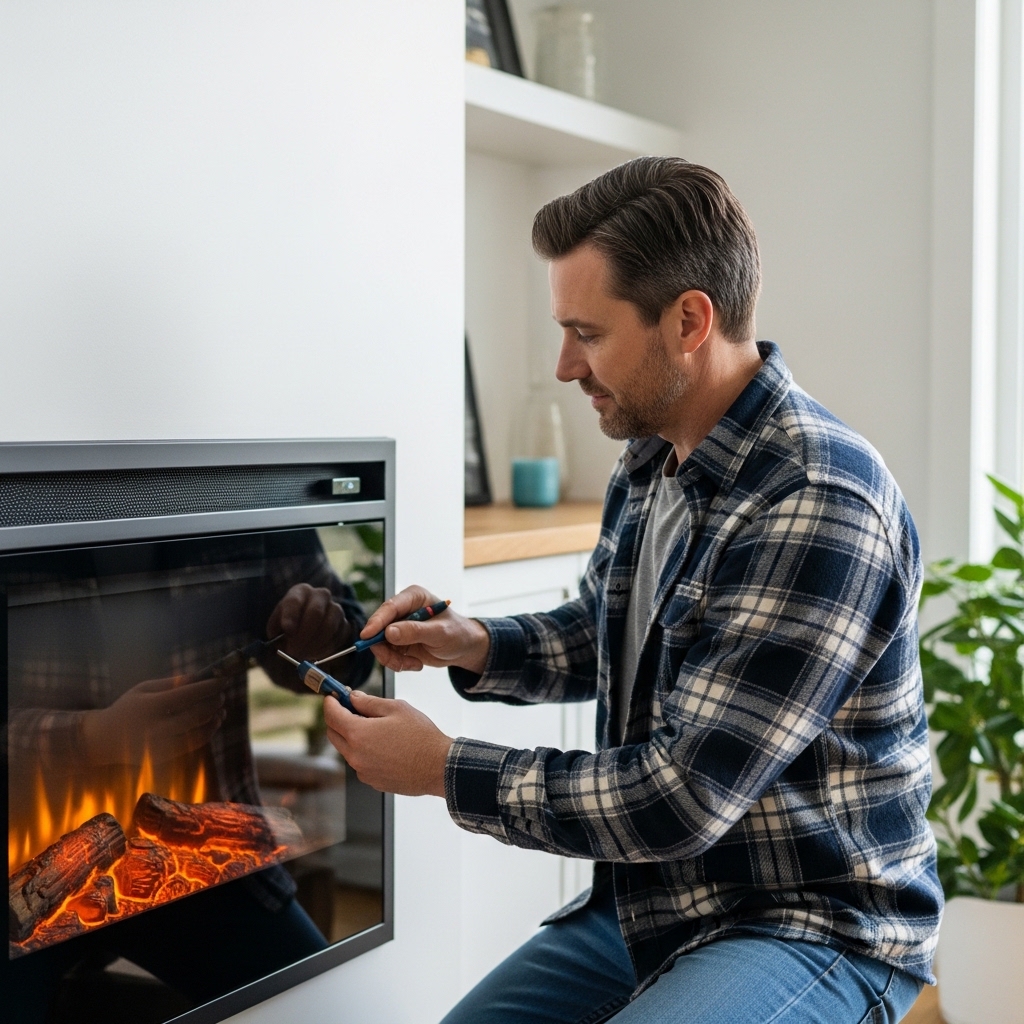

Measuring your existing opening is often the first hurdle. You need to know if you are keeping the masonry structure or swapping in a fireplace insert. The choice between a full masonry unit and a retrofit insert changes your heating plan completely. One offers the classic look of brick and stone, while the other maximizes efficiency in a smaller footprint. You must check clearances and venting paths before you buy. This guide breaks down the practical differences to help you decide.
Supplemental heat is a major factor for many buyers. A wood-burning insert can push significant BTUs into a room, whereas electric options offer lower energy costs. You should consider the fuel source and maintenance requirements carefully. Some homeowners prefer the aesthetic of a traditional masonry fireplace for its visual weight. Others prioritize the ease of installation that modern inserts provide. Check the best fireplace heater for small spaces if you are working with limited square footage to ensure your choice fits the layout.

Common Buyer Questions
Does an insert require a chimney?
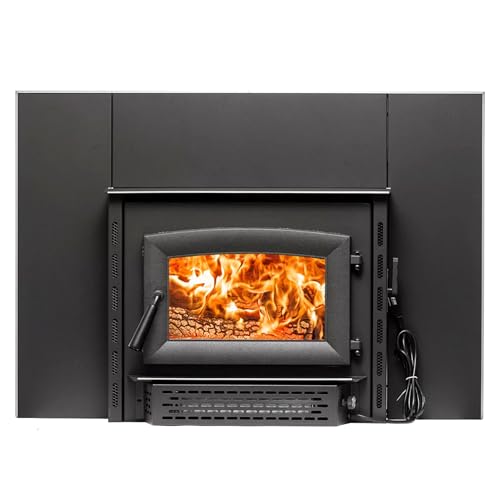
Most wood-burning inserts require a flue to vent exhaust safely. Electric models do not need a chimney at all. The US Stove unit listed here is designed for vented installation. Always verify the specific venting requirements in the manual.
Can I install an insert myself?
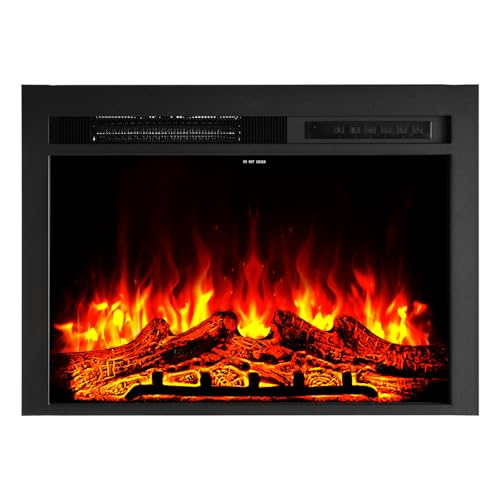
Electric inserts are often simpler for DIY installation with basic tools. Wood-burning inserts usually require professional handling due to weight and codes. The VEVOR model includes accessories for easier setup. Check local regulations before starting any masonry work.
Which option heats a larger area?
Wood inserts typically produce higher BTU outputs for larger rooms. The US Stove model covers up to 1,200 square feet. Electric units like the Efiretric heat smaller zones around 400 square feet. Consider your specific room size and insulation levels when choosing.
How much maintenance do inserts need?
Wood-burning units require regular cleaning of the firebox and flue. Electric inserts need minimal upkeep, mostly dusting the fan and glass. The maintenance routine depends heavily on the fuel source you select. Factor this into your long-term ownership cost and effort.
Are electric inserts safe for apartments?
Yes, electric inserts are generally safer for rental units. They do not produce open flames or carbon monoxide. The Efiretric model features overheat protection for added peace of mind. Always confirm landlord approval before installing any permanent heating device in your space.



Write Your Review
No reviews yet. Be the first to share your experience!