

Choosing the right gas fireplace depends on matching the unit’s fuel source and venting configuration to your home’s existing infrastructure and local safety codes. Most homeowners prioritize a balance between supplemental heating efficiency and the visual appeal of realistic flames. The decision often centers on whether you have a dedicated gas line, access to propane, or a preference for vent-free convenience. Understanding these core distinctions prevents costly installation errors and ensures the system operates safely within your living space.
Before purchasing, verify the specific dimensions of your firebox and the available clearance space around the installation site. Manufacturer specifications for heating capacity and BTU output must align with the square footage of the room you intend to heat. Safety features like oxygen depletion sensors are critical for vent-free models, while vented systems require proper chimney or direct vent connections. For more on general heating options, see our gas fireplace guide which covers broader market trends.

Pros
- Direct replacement fit for existing Real Fyre APK-17 gas valve configurations
- Bundled with a dedicated heat shield to protect valve components from high firebox heat
- Supports dual-fuel compatibility for both natural gas and liquid propane setups
- Uses standard universal NPT 1/2 threading for broad compatibility across vented burner pans
Cons
- Propane operation requires a matching conversion orifice that is not pre-installed
- Provides purely manual operation with no support for remote controls or wall thermostats
The Americangaslogs Gas Fireplace Valve Manual Safety Pilot Control System is built specifically for vented gas log sets that rely on manual flame management. Designed to replace worn, malfunctioning, or legacy gas valves, this assembly provides a direct mechanical solution for homeowners seeking to restore reliable operation to their fireplace burner. It serves as a direct-compatible replacement for the Real Fyre APK-17 valve kit, making it especially convenient for owners of compatible vented burner pans looking to swap out hardware without re-engineering their entire gas layout.
Operation centers on a traditional manual safety pilot configuration. The kit incorporates a dedicated pilot assembly engineered to maintain a continuous, stable pilot flame, which reduces the chance of unexpected flame-outs from low temperatures or interior room drafts. In terms of fuel delivery, the valve supports both natural gas and liquid propane supplies. However, users operating on propane must ensure that the proper orifice is installed to match fuel pressure and burner requirements safely.
The build incorporates standard universal NPT 1/2 threading, facilitating connection to compatible fireplace supply lines and burner manifolds. To safeguard internal valve seals and mechanics against high ambient hearth temperatures, Americangaslogs includes a protective heat shield. This silvery metal shield is designed to sit between the active burner pan and the valve body, deflecting radiant heat to help prolong the operating life of the control assembly.
Installation requires careful attention to existing fireplace clearances, gas supply pressure, and firebox dimensions. Because this system is intended strictly for vented gas fireplaces, the fireplace damper must remain open during operation to allow combustion byproducts to exhaust properly up the flue. Working with gas lines involves strict safety considerations, so verifying fitting seals with leak-detection solution and consulting local plumbing codes or a licensed gas technician is strongly advised before lighting the pilot.
A clear limitation of this control system is its lack of automation. There is no provision for handheld remote controls, wall switches, or thermostatic temperature adjustments. It requires the user to access the firebox and manually turn the control knob to light the pilot and adjust the burner. For owners seeking smart controls or electronic ignition, this unit will not fit the bill.
Overall, this Americangaslogs manual safety pilot kit stands as a dependable, budget-conscious choice for existing vented gas fireplaces. If you need a straightforward mechanical replacement for a Real Fyre APK-17 system or a similar manual pilot setup, this kit delivers the essential components, heat shielding, and standard fitting connections needed to restore your hearth.
This valve system is engineered as a direct replacement for the Real Fyre APK-17 manual safety pilot kit. It is specifically intended for use with vented gas log sets and is not suitable for unvented or vent-free firebox setups.
The assembly features universal NPT 1/2 threaded connections, aligning with standard gas piping found on many residential hearth burner pans. It supports both natural gas and propane installations, provided the appropriate burner orifice is utilized for the chosen gas type.
Proper placement of the included heat shield is necessary during installation to insulate the valve body from the intense heat produced by the burner pan. The kit connects using standard NPT 1/2 fittings, which must be properly sealed using gas-rated thread sealant or tape.
Always verify local building and gas codes before performing gas fireplace repairs. Ensuring the fireplace chimney damper is open and scheduling a qualified gas professional for setup and leak testing can help prevent dangerous fuel leaks and carbon monoxide concerns.

Pros
- Withstands direct gas flames and intense fireplace heat without crumbling or smoking
- Small granule profile easily fills tight spaces around ceramic logs and burner components
- Provides an authentic ember-bed appearance that boosts overall flame realism
- Completely natural volcanic rock free from artificial dyes or chemical odors
Cons
- Contains natural stone dust from transit that benefits from a quick rinse or gentle pouring
- A single 5-pound bag may be insufficient for large multi-sided fireboxes or wide outdoor pits
Midwest Hearth Black Lava Rock Granules are specialized volcanic media designed to dress up indoor gas fireplaces, vented log sets, and hearth inserts. They work well for homeowners, apartment owners with approved gas setups, and basement renovators who want to refresh an aging or bare fireplace floor. By recreating the appearance of a natural coal and glowing ember bed, these granules provide an instant visual upgrade that ties the entire hearth together.
In terms of fireplace performance, small volcanic granules do more than merely improve aesthetics. While the rocks themselves do not generate heat, their porous volcanic structure absorbs thermal energy from the gas burner and radiates gentle supplemental warmth back into the living room. They also help baffle incoming gas distribution slightly, softening flame patterns and enhancing the natural flickering glow that makes cold winter evenings and family movie nights feel especially inviting.
Build quality and durability are critical for any material placed directly into a firebox. Based on product specifications, these granules are sourced from genuine volcanic rock capable of withstanding extreme heating cycles without deteriorating, popping, or producing unpleasant chemical fumes. With granule sizes ranging between 1/4 inch and 1/2 inch in diameter, they match the scale used by original equipment manufacturers for ceramic log sets, allowing them to nestle naturally between burner trays and decorative ceramic timbers.
Setup is straightforward and takes only a few minutes. Homeowners simply scatter the granules across the fireplace floor to hide unsightly gas tubes, electrical valves, and metallic pans. Because natural volcanic stone generates minor friction dust during shipment, pouring the rocks gently or giving them a light rinse and dry before placement helps keep hearth dust to a minimum and maintains clean indoor air quality.
For homeowners looking to enhance fire realism, improve radiant floor warmth, and achieve a professional hearth aesthetic, this 5-pound bag from Midwest Hearth offers reliable performance. It serves as an easy, cost-effective upgrade that brings cozy sophistication to any living space or bedroom fireplace arrangement.
Adding natural lava granules beneath a gas burner creates the illusion of genuine coal beds and burning embers. The varied irregular textures catch the reflection of the gas flames, multiplying the dancing light and adding rich visual depth to flat metal fireplace floors.
By softening the harsh mechanical lines of gas manifolds and burner pipes, the media allows flames to emerge naturally from beneath the stones. This produces a softer, more convincing wood-burning simulation that enhances cozy evenings in living rooms and family dens.
Installing these lava granules is a simple DIY project that requires no special tools. Turn off the gas supply and ensure the firebox is completely cool before vacuuming out old soot or debris from the fireplace floor.
Spread the granules evenly around the burner assembly and decorative log supports, taking care not to cover pilot lights, safety sensors, or primary gas ports. This ensures optimal burner ventilation, steady flame distribution, and safe indoor operation.

Pros
- Two-pipe burner design creates deep, layered flames for authentic firebox ambiance
- Comes bundled with essential hookup hardware including copper tubing and thread sealant
- Direct drop-in replacement for aging or rusted Real Fyre G45 fireplace burners
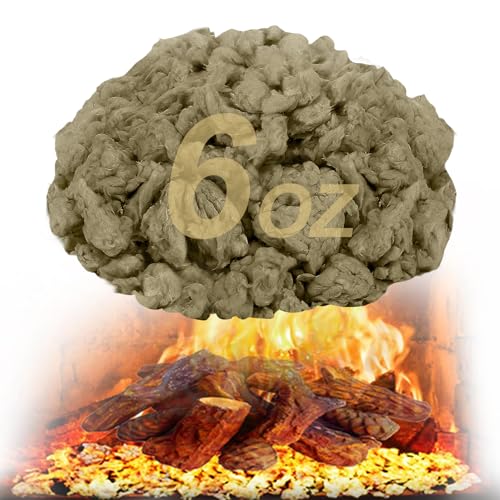
- Includes seven ounces of glowing embers to enhance visual realism and radiating warmth
Cons
- Propane applications require purchasing and installing a separate air mixer valve
- Designed strictly for vented fireplaces and cannot be used in vent-free enclosures
- Safe installation requires basic gas plumbing knowledge or licensed professional help
The Americangaslogs 18-Inch Burner Pan is an aftermarket replacement hearth component designed specifically for vented residential gas fireplaces. Built to match the dimensions and performance profile of popular G45 burner assemblies, this unit allows homeowners to refresh an older hearth without tearing out the entire firebox. Whether you are updating a living room centerpiece or restoring supplemental warmth to a basement fireplace, this pan provides the framework needed for authentic flames and dependable heat distribution.
Heating performance relies on a dual-pipe configuration that runs the length of the 18-inch pan. Unlike single-tube alternatives that produce a flat line of fire, this two-pipe layout disperses fuel across the front and rear of the log stack. The resulting flame curtain produces generous radiant warmth that warms up living rooms during cold winter evenings, while simultaneously heating the ceramic logs so they project steady, lingering heat throughout the room.
Build quality is clean and functional, featuring a durable black pan measuring 18 inches long by 6 inches wide with a 2.5-inch depth. The pan includes dual 1/2-inch NPT male connection hubs, giving you the flexibility to attach your incoming gas line from either the left or the right side. Americangaslogs also bundles essential setup hardware, including a flexible copper connector kit, sealing tape, and seven ounces of glowing ember material to dress the burner bed.
Practical usability is strong, though buyers should plan their fuel configuration carefully. The burner is ready for natural gas lines out of the box, but propane users must add an external air mixer valve before firing up the system to ensure clean combustion without heavy soot buildup. Because this burner is engineered for fully vented chimney setups, it must always be operated with the fireplace damper open to ensure safe draft venting.
For homeowners looking to eliminate uneven burning, clogged ports, or rusted metal in an existing fireplace, this 18-inch burner pan offers a cost-effective path back to cozy evenings by the fire. It combines simple mechanical reliability with a rich, full flame pattern that brings new life to your favorite gas log set.
Installing this burner pan is straightforward for DIY homeowners comfortable with basic household gas connections. The package includes flexible copper tubing and thread sealing tape, reducing trips to the hardware store for basic plumbing fittings. Having dual connection hubs on both ends of the pan makes adapting to existing fireplace supply lines much easier regardless of which side your gas stub enters the firebox.
Safety remains critical during setup. All pipe threads should be treated with the provided sealant and tested with soapy water for leaks before any flames are introduced. If you are converting to liquid propane, remember that the air mixer valve is not pre-installed and must be sourced separately to ensure the fuel mixes properly with incoming oxygen.
Visual realism is one of the standout aspects of a dual-pipe burner system. The front pipe generates lower flames that dance around the base of your ceramic logs, while the rear pipe provides taller background fire that simulates the depth of a traditional wood fire. This creates a full, dimensional firebox view that looks natural from anywhere in the living room.
The included seven ounces of glowing ember material plays a large role in realistic hearth aesthetics. When sprinkled over the burner pan, the fibers capture radiant heat and produce a shimmering, red-hot ember bed beneath the logs. This glowing base looks convincing during quiet movie nights and adds noticeable visual warmth to your home interior.
Pros
- Motorized valve and remote control make igniting and adjusting flame height effortless from across the room.
- Dual-pipe burner layout produces a fuller, more authentic flame pattern beneath gas logs.
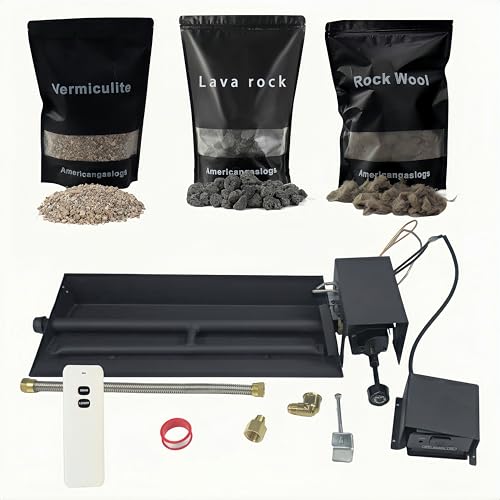
- Comes with decorative media including volcanic rock, vermiculite, and glowing embers.
- Straightforward replacement dimensions for standard 18-inch to 24-inch vented fireplace hearths.
Cons
- Strictly designed for vented fireplaces and cannot be used in ventless or vent-free fireboxes.
- Liquid propane installations require an additional air mixer to prevent excessive soot.
- Connecting active fuel lines often requires professional gas plumbing assistance for proper safety.
The Americangaslogs 18-inch burner pan kit is an all-in-one replacement burner assembly designed for vented indoor gas fireplaces. Engineered to breathe new life into existing masonry or prefabricated hearths, this system caters to homeowners seeking to modernize older manual log setups without undertaking a full hearth renovation. Whether updating a living room centerpiece for family movie nights or restoring warmth to a chilly basement fireplace, this kit delivers a functional upgrade that pairs well with standard 18-inch to 24-inch ceramic gas log sets.
Operating on a dual-pipe burner framework, the assembly distributes fuel evenly beneath the log stack to generate full, dancing yellow flames. Unlike single-tube designs that can look sparse or artificial, the two-pipe configuration allows flames to wrap around logs and ignite the included glowing embers and vermiculite. This creates an authentic wood-fire glow and provides steady supplemental radiant warmth across typical living areas, making cold winter evenings much more comfortable.
A standout feature of this system is the integrated electronic motorized valve, accompanied by a handheld remote control. Users can ignite the burner, shut it off, and modulate flame height directly from their favorite armchair. The sturdy pan construction measures 18 inches long by 6 inches wide with standard half-inch NPT fittings, providing a solid foundation that resists warping under prolonged heat exposure. The included pilot assembly ensures reliable ignition while maintaining safe flame management during extended heating sessions.
Installation is relatively straightforward for experienced DIYers, as the package contains the burner pan, copper connection tubing, sealing tape, and decorative fireplace media. However, because this unit hooks into active gas lines, taking proper safety precautions such as testing all joints with soapy water or consulting a certified gas technician is essential. Routine maintenance involves periodically clearing dust from the pilot and ensuring the burner ports remain clear of debris.
Keep in mind that this burner pan is strictly intended for vented fireplaces where the damper stays open during use; it cannot be installed in vent-free enclosures. Furthermore, while it supports both natural gas and propane, propane setups require an appropriate air mixer to prevent soot buildup. For homeowners looking to restore lively flames and remote-controlled convenience to a tired vented fireplace, this package offers a complete, budget-conscious solution that enhances both ambiance and supplemental comfort.
The motorized electronic valve eliminates the need to reach into a hot fireplace to turn manual knobs or light matches. With the included wireless remote control, you can turn the fire on or off and adjust flame levels to suit your desired warmth and room atmosphere.
This level of control is ideal for relaxed evenings in the living room or family room, allowing you to easily fine-tune flame height for either dramatic ambiance or subtle supplemental heat without leaving your seat.
This kit arrives with nearly everything required to refresh your firebox floor. It includes the 18-inch dual-pipe burner pan, pilot assembly, motorized gas valve, handheld remote, copper connector kit, and sealing tape.
To achieve a natural wood-fire appearance right out of the box, Americangaslogs also provides volcanic rock, vermiculite, and glowing embers, giving your existing ceramic logs a rich and realistic glowing foundation.

Selecting a gas fireplace requires a clear understanding of your home’s fuel availability and the specific heating needs of the target room. The primary decision points involve the fuel type, venting method, and the physical dimensions of the unit relative to your existing structure. These factors determine not only the installation complexity but also the long-term operating costs and safety profile of the system. A mismatch in any of these areas can lead to inefficient heating or potential safety hazards.
| Factor | Vented System | Vent-Free System |
|---|---|---|
| Fuel Source | Natural Gas or Propane | Natural Gas or Propane |
| Exhaust Method | Chimney or Direct Vent | None (Indoor Exhaust) |
| Heating Efficiency | Varies by Model | High (Often 99%+) |
| Safety Feature | Standard | Oxygen Depletion Sensor |
| Installation Complexity | Higher (Requires Venting) | Lower (No Chimney Needed) |
Start by identifying whether your home has an active gas line or if you plan to use a propane tank. Natural gas is typically more convenient for permanent installations, while propane offers flexibility for homes without municipal gas service. The choice affects the type of burner and valve assembly required for the fireplace. Always confirm the pressure requirements for your specific fuel source before ordering components.
- Check if your home has a dedicated natural gas line or propane tank access.
- Measure the firebox dimensions to ensure the log set fits properly.
- Determine if you have an existing chimney or need a vent-free option.
- Verify local building codes regarding vent-free gas fireplace installations.
- Assess the room size to match the BTU output of the fireplace.
Fuel Source and Compatibility
The fuel source dictates the type of burner and control valve you need.
- Natural gas systems generally require lower pressure and specific orifice sizes for operation.
- Propane systems operate at higher pressures and often need an air mixer valve to ensure complete combustion.
- Using the wrong fuel type without adjusting the burner can result in yellow flames, soot production, or incomplete combustion.
- Always check the manufacturer’s specifications for the required fuel type and pressure settings.
Propane users must pay close attention to the air mixing valve, which is essential for proper flame stability. This component ensures that the gas mixes correctly with air before ignition, preventing dangerous backfires or uneven burning. If you are switching from natural gas to propane, the burner pan and valve assembly may need to be replaced with propane-specific parts. Do not attempt to use a natural gas burner with propane without the correct modifications.
Venting Configuration and Safety
Vented fireplaces exhaust combustion byproducts outside through a chimney or direct vent pipe. This method is generally considered safer for indoor air quality as it removes carbon monoxide and other gases from the living space. However, vented systems can lose some heat up the chimney, reducing overall heating efficiency. They also require a dedicated venting path, which may involve significant construction work if no existing chimney is available.
Vent-free fireplaces, on the other hand, release combustion byproducts directly into the room. To mitigate this risk, they are equipped with an Oxygen Depletion Sensor (ODS) that automatically shuts off the unit if oxygen levels drop below a safe threshold. This feature is critical for safety and is required by code for vent-free installations. While vent-free units offer higher heating efficiency, they may not be permitted in all jurisdictions due to indoor air quality concerns.
Heating Capacity and Room Size
The BTU (British Thermal Unit) rating of a gas fireplace indicates its heating output. A general rule of thumb is to calculate the square footage of the room and multiply by 20 to 25 BTUs per square foot to determine the required heating capacity. For example, a 500-square-foot room would need approximately 10,000 to 12,500 BTUs for effective supplemental heating. Choosing a unit with too high a BTU rating can lead to short cycling and uneven heating, while a unit that is too small will struggle to maintain a comfortable temperature.
Consider the primary use of the fireplace as well. If you are using it primarily for ambiance and occasional supplemental heat, a lower BTU unit may be sufficient. If you intend to use it as a primary heat source for a large room, you will need a higher capacity unit. Always refer to the manufacturer’s recommended room size for each model to ensure proper performance. Overheating a small room with a high-capacity fireplace can also lead to discomfort and increased energy consumption.
Visual Aesthetics and Components
The visual appeal of a gas fireplace is often a key factor in the buying decision. Ceramic logs and ember beds contribute to the realistic look of the flames. Lava rocks and glowing embers add depth and character to the fire, mimicking the appearance of a wood-burning fireplace. These components are not just decorative; they also help distribute heat and protect the burner from direct heat exposure. Ensure that the log set and ember bed are compatible with your specific burner model.
Some models include remote controls for convenient operation, allowing you to adjust flame height and turn the unit on or off from a distance. This feature adds to the convenience and usability of the fireplace, especially in larger rooms. Check if the remote control system is included or if it is an optional add-on. Battery-assisted ignition is another common feature that simplifies the lighting process, eliminating the need for manual pilot lights. These small details can significantly enhance the user experience.
Installation and Maintenance Considerations
Installation requirements vary significantly between vented and vent-free models. Vented systems require a professional installation to ensure proper venting and gas line connections. This may involve cutting into walls or ceilings to install vent pipes, which can be a complex and costly process. Vent-free models are generally easier to install, as they do not require a chimney or vent pipe. However, they still need to be connected to a gas source and installed according to manufacturer specifications.
Maintenance is essential for the safe and efficient operation of any gas fireplace. Regular cleaning of the burner, logs, and ember bed helps prevent soot buildup and ensures proper combustion. Inspect the gas lines and connections for leaks annually, and have the system inspected by a qualified professional if you notice any issues. Keep the area around the fireplace clear of flammable materials and ensure that the safety screens or glass doors are in good condition. Proper maintenance extends the life of the fireplace and ensures it operates safely for years to come.
For those considering specific brands or models, reviewing the Uniflame gas fireplace options can provide additional context on available features and price points. Always prioritize safety and compatibility over aesthetic preferences when making your final decision. A well-chosen gas fireplace can be a valuable addition to your home, providing both warmth and ambiance for many years.



Write Your Review
No reviews yet. Be the first to share your experience!