
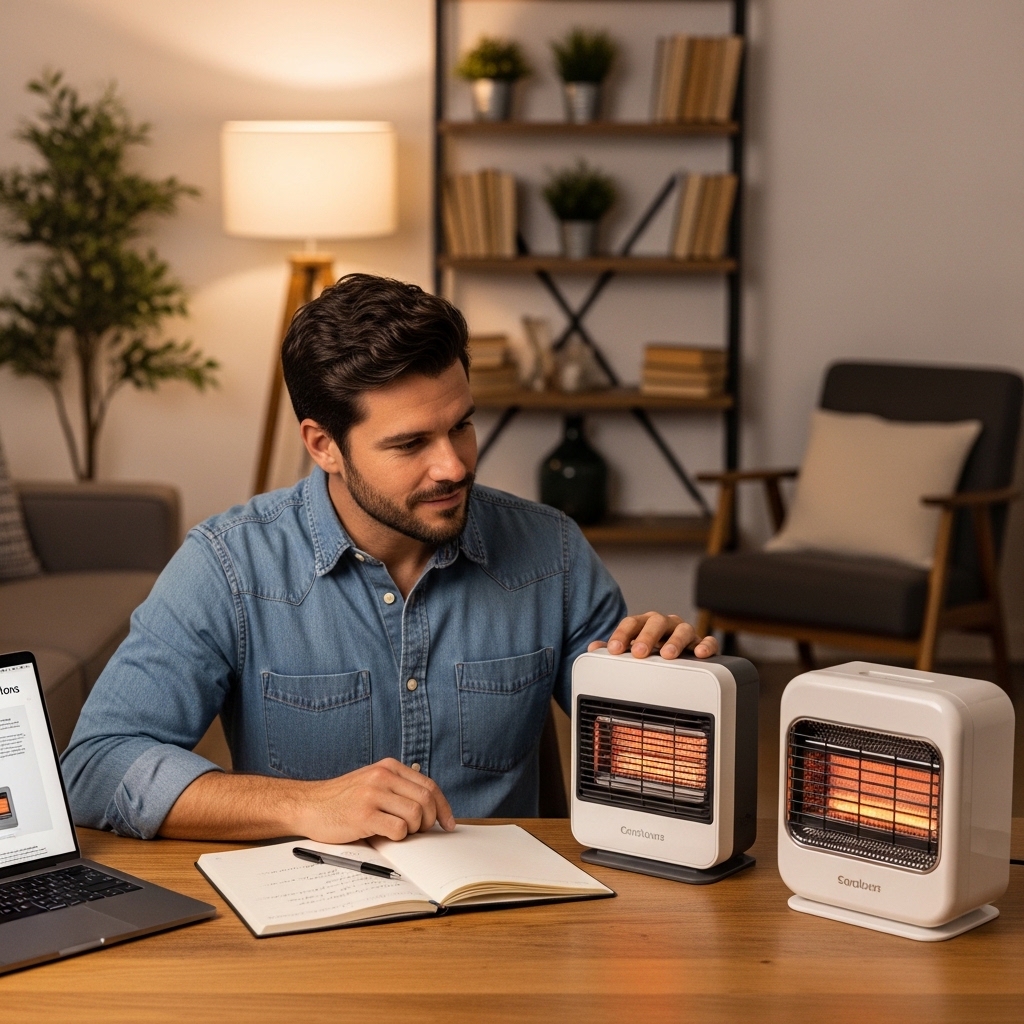

Most gas fireplaces do not function during a power outage, but specific manual-ignition models can operate without electricity. Whether your unit works depends entirely on the ignition system and fan configuration installed in your home. Understanding these mechanical differences is critical for safety and preparedness. The can you use a gas fireplace if power goes out question has a direct answer: only if the unit uses a standing pilot light and lacks electric fans or controls.
Modern units often rely on electronic ignition systems that require 120-volt AC power to spark the gas. If your fireplace has a standing pilot light, it may still ignite manually, though the flame may be smaller without the blower fan. Always consult your owner’s manual to confirm the specific requirements for your model.
Some homeowners find that checking the venting and gas supply before attempting to light a unit is essential for safe operation. This guide explains the technical distinctions between ignition types and provides practical steps for safe use during outages.

Gas Fireplace Operation During Power Outages
The core issue is whether the ignition source requires electricity. Most contemporary gas fireplaces use electronic ignition systems that need power to create a spark. Without electricity, these systems cannot ignite the gas, rendering the unit inoperable. However, units with a standing pilot light have a small, constant flame that ignites the main burner when the gas valve opens. This mechanical process does not require external power, making these units a viable option for supplemental heat during outages.
| Feature | Electronic Ignition | Standing Pilot Light |
|---|---|---|
| Power Requirement for Ignition | Yes (120V AC) | No |
| Operation During Outage | Inoperable | Operable (Manual) |
| Blower Fan Function | Inoperable | Inoperable (unless battery backup) |
| Gas Consumption (Idle) | None | Continuous (Pilot Flame) |
Before attempting to light your fireplace during an outage, verify the type of ignition system installed. Check the control panel for a standing pilot light indicator or a manual ignition button. If the unit has a remote control or app connectivity, it likely relies on electronic components that will not function without power.
The blower fan, which circulates heat into the room, also requires electricity. Without the fan, the fireplace will still produce heat, but the distribution will be limited to natural convection, which is less effective for warming a large space.
Safety is paramount when operating any gas appliance during a power outage. Ensure the room is well-ventilated, even if the fireplace is vented, as a lack of fan operation can alter draft patterns. Check for any gas leaks by smelling for sulfur or rotten eggs. If you detect a gas odor, do not attempt to light the fireplace. Instead, shut off the gas supply at the valve and contact a qualified professional. Always follow the manufacturer’s instructions for manual ignition and operation.
Identifying Manual Ignition Capabilities
Determining if your fireplace can be used without power starts with identifying the ignition system. Electronic ignition systems are common in newer models and typically feature a control panel with a digital display or remote control. These systems use a solenoid valve and a spark igniter, both of which require electricity.
If your fireplace has a standing pilot light, you will see a small flame in the burner area when the unit is off. This flame is maintained by a thermocouple or thermopile, which also generates a small electrical current to keep the gas valve open, but the ignition itself is manual.
- Check the control panel for a standing pilot light indicator or manual ignition button.
- Look for a small flame in the burner area when the unit is off.
- Consult the owner’s manual to confirm the ignition type for your specific model.
- Verify if the blower fan has a battery backup option for continued operation.
Some manufacturers offer battery backup kits for the blower fan, which can extend the utility of the fireplace during short outages. These kits allow the fan to continue circulating heat even when the main power is off. However, the ignition system still requires a standing pilot light to function without electricity. If your unit has electronic ignition, a battery backup for the fan will not allow you to light the fireplace. Always check the product specifications to see if a battery backup is compatible with your model.
Safety Checks Before Manual Lighting
Before attempting to light a gas fireplace during a power outage, perform a series of safety checks to prevent accidents. First, ensure the gas supply is turned on at the main valve. If the unit has been off for an extended period, there may be air in the lines that needs to be purged. Open the fireplace screen or glass door to allow for ventilation and to monitor the flame during ignition. Keep flammable materials, such as curtains or furniture, at least three feet away from the fireplace opening.
Use a long-reach lighter or match to ignite the pilot light, following the specific steps outlined in your owner’s manual. Do not use a standard match if the pilot light is located deep within the burner, as this can lead to burns. Hold the lighter near the pilot light orignitor port while pressing the gas control knob to the “Pilot” position.
Wait a few seconds for the gas to fill the lines, then release the knob to see if the pilot light stays lit. If it goes out, wait five minutes before trying again to allow any residual gas to dissipate. This prevents a dangerous gas buildup that could cause an explosion.
- Ensure the gas supply valve is open and the line is clear of obstructions.
- Keep flammable items at least three feet away from the fireplace opening.
- Use a long-reach lighter or match for safe ignition of the pilot light.
- Wait five minutes between ignition attempts if the pilot light goes out.
If the pilot light does not stay lit after several attempts, do not continue trying. Shut off the gas supply and contact a licensed HVAC technician or fireplace specialist. Attempting to force ignition can damage the thermocouple or gas valve, leading to costly repairs. A professional can diagnose the issue and ensure the unit is safe to operate. Always prioritize safety over convenience, especially during a power outage when visibility and awareness may be reduced.
Heat Output and Efficiency Without Power
Operating a gas fireplace without power affects its heat output and efficiency. The blower fan, which typically circulates warm air into the room, will not function, reducing the unit’s ability to distribute heat.
Natural convection will still move warm air upward and outward, but the overall heating capacity will be lower than when the fan is running. This makes the fireplace more suitable for warming a small area near the unit rather than an entire room. The flame size may also be smaller without the fan, as the combustion process is less optimized.
For supplemental heat during a power outage, a gas fireplace with a standing pilot light can provide a comfortable source of warmth. However, it is not a substitute for a primary heating system. Use it to create a cozy atmosphere and provide local heat, but do not rely on it to maintain a safe indoor temperature in cold weather. Monitor the indoor temperature and use additional blankets or layers to stay warm. If the outage is expected to last for an extended period, consider alternative heating sources that do not rely on electricity, such as a wood-burning stove, if one is available and properly vented.
Common Misconceptions About Gas Fireplaces
Many homeowners assume that all gas fireplaces can be used during a power outage, but this is not the case. The prevalence of electronic ignition systems in modern units means that most fireplaces will not function without electricity. Another common misconception is that the fireplace can provide heat without any safety checks. In reality, operating a gas appliance requires careful attention to ventilation, gas supply, and ignition procedures. Ignoring these steps can lead to carbon monoxide buildup, gas leaks, or fire hazards.
It is also important to understand the difference between vented and vent-free gas fireplaces. Vented units expel combustion gases outside through a chimney or vent, making them safer for indoor use. Vent-free units release combustion byproducts into the room, which can affect indoor air quality. During a power outage, when the blower fan is off, vent-free units may accumulate more moisture and odors in the room. Always check the manufacturer’s guidelines for operating vent-free units without power. If in doubt, consult a professional to ensure your fireplace is safe to use.
Understanding the limitations and capabilities of your gas fireplace during a power outage is essential for safety and comfort. By identifying the ignition system, performing safety checks, and managing expectations for heat output, you can use your fireplace effectively during outages. Always follow the manufacturer’s instructions and seek professional guidance if you encounter any issues.
This approach ensures that your fireplace remains a safe and reliable source of warmth when the power is out. For more information on maintaining your fireplace, consider exploring our gas fireplace maintenance guide to keep your unit in top condition.


Write Your Review
No reviews yet. Be the first to share your experience!