
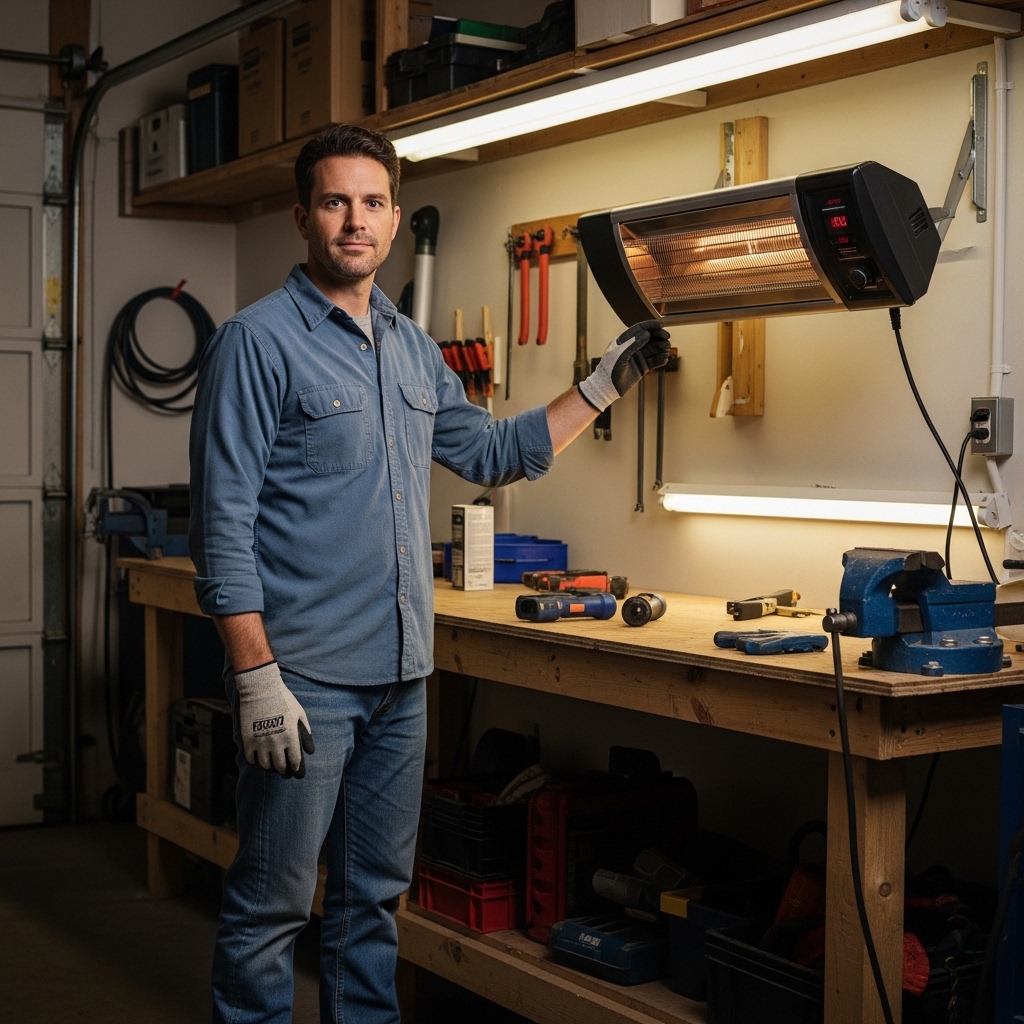

Yes, you can install wood trim around a gas fireplace, provided the material meets specific heat resistance standards and maintains required clearances from the heat source. Homeowners often seek to update the look of their gas fireplace with natural wood accents, but this modification requires careful attention to manufacturer specifications and local building codes. The primary concern is ensuring that the wood does not overheat, which could lead to damage or safety hazards if installed too close to the flames or heat vents.
Understanding the technical requirements before starting a project is essential for a safe and durable finish. This guide explains how to determine if your specific unit supports wood trim, what types of materials are suitable, and how to measure proper distances. By following the manufacturer’s listed clearances and using appropriate fire-rated products, you can achieve a custom look that complements your room’s aesthetic while maintaining the integrity of your heating system. For those considering related updates, checking our fireplace cover options can also help manage drafts and protect the area when the unit is not in use.


Can You Put Wood Trim Around a Gas Fireplace?
The short answer is yes, but only if the wood is positioned outside the manufacturer’s specified clearance zones. Gas fireplaces generate significant heat, and the surrounding structure must be able to withstand these temperatures without degrading. Standard untreated wood is not suitable for areas that get hot, so the trim must be installed with a buffer of non-combustible material or sufficient distance to prevent heat transfer. The feasibility of adding wood trim depends heavily on the specific model of the fireplace and its venting configuration.
| Factor | Requirement for Wood Trim |
|---|---|
| Clearance Distance | Must meet or exceed manufacturer’s listed minimums |
| Material Type | Fire-rated or treated wood recommended |
| Paint/Finish | Heat-resistant, non-toxic finishes only |
| Insulation | Thermal barrier required if close to heat source |
Before purchasing materials, you need to identify the exact clearance requirements for your unit. These numbers are typically found in the installation manual or on a label affixed to the fireplace cabinet. The table above outlines the general factors, but your specific model may have stricter or more lenient rules. Ignoring these details can void the warranty and create a fire risk, so accuracy is critical in this phase of the project.
Here are the key points to verify before you cut a single piece of lumber:
- Locate the clearance label on the fireplace unit or cabinet
- Measure the distance from the heat source to the proposed trim line
- Confirm the wood species is rated for the expected temperature
- Check local building codes for additional fireplace surround requirements
- Ensure the trim does not block any ventilation openings or sensors
Determining Safe Clearance Distances
Clearance is the minimum distance between the heat-generating part of the fireplace and any combustible material. For gas units, this usually refers to the distance from the front of the log set or the glass door. If you plan to install wood trim directly on the wall or surrounding the fireplace opening, you must ensure that the wood does not fall within the restricted zone. Many zero-clearance fireplaces are designed to be close to combustible materials, but this applies to the unit’s own structural components, not added decorative trim.
If the manufacturer states that the unit is “zero clearance,” it means the fireplace itself can be installed close to framing, but it does not automatically mean you can put wood trim anywhere on the surrounding wall. You still need to respect the heat radiation from the front.
A common safe practice is to keep any wood elements at least 12 to 24 inches away from the face of the glass, though you must always defer to the specific manual for your model. Using a thermal barrier, such as a layer of insulation or a heat-resistant board, can allow you to bring the wood closer, but this must be done according to code and manufacturer approval.
Choosing the Right Wood and Finish
Not all wood is created equal when it comes to heat exposure. Standard pine or oak used for furniture may warp, crack, or discolor if subjected to the radiant heat from a gas fireplace. For trim that will be installed near the unit, look for fire-rated wood or materials that have been treated for heat resistance. Some homeowners opt for engineered wood products that are more stable under temperature fluctuations. The finish is equally important; standard oil-based paints or stains can emit fumes when heated, which is undesirable for indoor air quality.
Water-based, low-VOC paints are a safer choice for finishes near heat sources. Ensure that any adhesive used to attach the trim is also rated for high temperatures. Standard wood glue may fail or release toxic vapors when exposed to heat. If you are unsure about the heat tolerance of a specific material, consult with a local building inspector or a professional installer. They can verify that your choice meets local safety standards and that the installation method will not compromise the fireplace’s performance.
Consider these material and finish options for your project:
- Fire-rated drywall or board as a base layer before wood trim
- Heat-resistant paint or stain specifically labeled for high heat
- Engineered wood or MDF treated for thermal stability
- Adhesives rated for temperatures exceeding the fireplace’s max output
- Non-combustible backer board to isolate the wood from the wall
Installation Techniques and Safety Checks
Installing wood trim around a gas fireplace requires precision and attention to detail. Start by measuring the clearance zones and marking them on the wall. Use a pencil to outline the area where combustible materials are prohibited. This visual guide helps prevent accidental encroachment into the restricted zone. When cutting the wood, ensure that the edges are smooth to prevent heat buildup in tight gaps. Avoid sealing the trim in a way that traps heat against the wall or the fireplace unit.
During installation, leave a small gap between the wood trim and the fireplace cabinet to allow for thermal expansion. Wood expands and contracts with temperature changes, and a rigid fit can cause warping or cracking over time. Use spacers to maintain consistent gaps and secure the trim with screws or adhesive that can handle the heat. After installation, perform a test run of the fireplace. Use an infrared thermometer to check the surface temperature of the wood trim after the unit has been running for an hour. If the temperature exceeds the recommended limit for the wood, you need to increase the clearance or add a thermal barrier.
Regular maintenance is also important when you have wood trim near a heat source. Inspect the trim periodically for signs of discoloration, warping, or cracking. These are indicators that the wood is experiencing too much heat. If you notice any changes, stop using the fireplace and reassess the installation. You may need to remove the trim or add insulation to bring the temperature back to a safe level. For more on maintaining your heating setup, see our guide to gas fireplace options that may have different clearance requirements.
Common Mistakes to Avoid
Many homeowners make errors when adding wood trim around gas fireplaces, often due to a lack of understanding of heat dynamics. One common mistake is assuming that because the fireplace is enclosed, the surrounding walls do not get hot. In reality, radiant heat can warm the wall surface significantly, especially if the unit is running for extended periods. Another error is using standard wood glue or paint that is not rated for heat. These materials can degrade quickly, leading to aesthetic issues and potential safety hazards.
Blocking ventilation openings is another critical error. Gas fireplaces often have air intake or exhaust vents that must remain unobstructed. If your wood trim covers these vents, it can cause the unit to overheat or shut down. Always check the location of vents before installing any trim. Finally, neglecting local building codes is a significant risk. Some jurisdictions have specific requirements for fireplace surrounds, including material types and clearance distances. Failing to comply with these codes can result in failed inspections and potential insurance issues.
Here are the most frequent errors to watch out for:
- Installing wood trim too close to the glass or heat source
- Using standard paint or adhesive that is not heat-resistant
- Blocking air intake or exhaust vents with the trim
- Ignoring the manufacturer’s specific clearance instructions
- Failing to check local building codes for surround requirements
When to Consult a Professional
While many homeowners can handle simple trim installation, some situations require professional input. If your fireplace is a direct-vent model, the heat dynamics may differ from a vented or vent-free unit. Direct-vent fireplaces are sealed systems, but they still radiate heat from the front. A professional can assess the specific heat output and recommend the appropriate clearance and materials. They can also verify that the installation meets local codes and that the trim does not interfere with the fireplace’s operation.
If you are unsure about the clearance requirements or the heat tolerance of the materials you plan to use, it is worth consulting a professional. They can provide peace of mind and ensure that your project is safe and compliant. Additionally, if you have an older fireplace or one that has been modified, a professional inspection is advisable. They can identify any potential issues that may affect the safety of adding wood trim. This step is particularly important if you plan to use the fireplace frequently or for supplemental heat.
Adding wood trim around a gas fireplace is a feasible project that can enhance the aesthetic appeal of your room. The key to success lies in understanding the clearance requirements, choosing the right materials, and following safe installation practices. By respecting the manufacturer’s guidelines and local codes, you can enjoy the beauty of wood trim without compromising the safety of your heating system. Always prioritize safety over aesthetics, and when in doubt, seek professional advice to ensure a secure and durable installation.


Write Your Review
No reviews yet. Be the first to share your experience!