
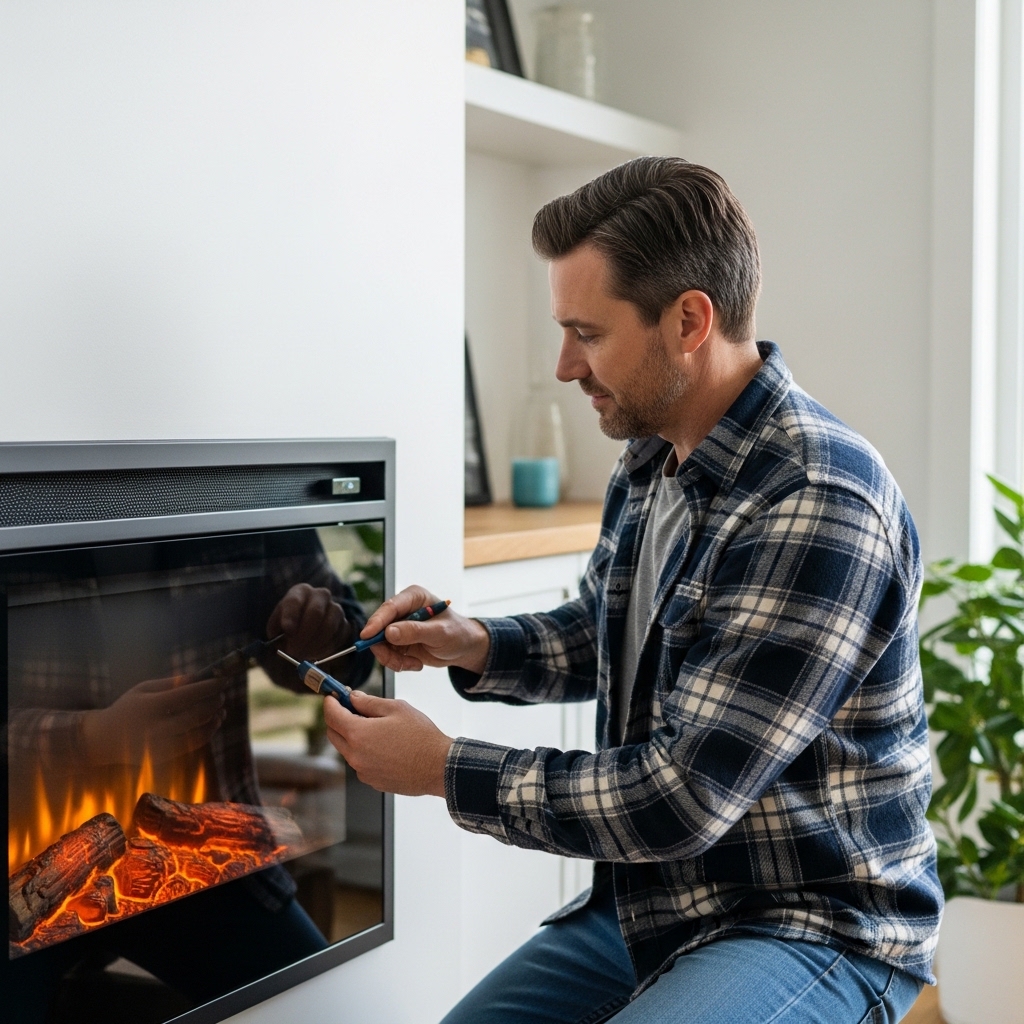

Most gas fireplaces do not require logs to function, as the burner is the primary heat source. However, gas logs are often used to improve the visual appeal and mimic the look of a real wood fire. Whether you need them depends on your specific fireplace type and desired aesthetic. Understanding this distinction helps you avoid unnecessary purchases or safety risks.
For vented fireplaces, logs are typically part of the installation kit to ensure proper flame distribution and heat reflection. In vent-free or direct-vent units, the requirements vary by manufacturer. Always check your specific model’s manual. If you are unsure about your setup, reviewing a guide to gas fireplace types can clarify which components are essential for your system.


Pros
- Comprehensive kit contains the burner, grate, media, damper clamp, and connection hardware
- Durable ceramic logs are internally reinforced with steel rods to resist thermal degradation
- Match-light setup eliminates reliance on household electricity, remotes, or complex wiring
- High-definition bark detailing offers the visual appearance of seasoned Live Oak firewood
Cons
- Requires a fully operational chimney with an open flue damper during all burning periods
- Designed exclusively for natural gas and cannot be used with liquid propane without approved conversion equipment
- Match-light operation lacks push-button ignition, thermostatic controls, or handheld remote functionality
The RealFyre 18-Inch Live Oak Vented Gas Log Kit is built for homeowners seeking to convert an existing wood-burning fireplace into a cleaner, low-maintenance gas hearth. Operating strictly on natural gas, this kit supplies the burner, log media, and essential installation accessories to establish an authentic flame display inside a masonry or factory-built vented firebox. It appeals to existing fireplace owners who want to eliminate wood hauling, soot accumulation, and ash disposal while retaining the visual aesthetic of real burning logs.
Operation relies on a manual match-light ignition system. Because this configuration does not incorporate an automatic safety pilot, electronic sparker, or wall switch, lighting the burner requires opening the manual gas valve and applying an external flame source such as a long fireplace match or butane lighter. The absence of electrical components simplifies ongoing operation, as there are no batteries to replace or circuit boards to service. While the manufacturer does not specify numerical BTU heat output ratings for this listing, the refractory ceramic logs are engineered to absorb heat from the burner flames and project supplemental radiant warmth into the living space even after the flame is extinguished.
Build quality centers on high-definition refractory ceramic construction. Each Live Oak log is individually hand-painted to emulate the texture and coloration of seasoned oak timber. Internal steel reinforcement rods run through the core of the logs to safeguard structural integrity under continuous firebox temperatures. The package includes the matched burner pan, a robust log grate, silica sand to diffuse the gas flow, glowing ember material to simulate a burning coal bed, and a flue damper clamp designed to keep the chimney flue permanently cracked open for safety.
Proper fit and installation require careful planning before purchase. The kit carries dimensions of 13 by 18 by 15 inches and a combined weight of 49 pounds. Prospective buyers must measure the front width, rear width, depth, and height of their existing firebox to ensure adequate clearance around the burner pan and grate assembly. Because this is a vented appliance, combustion gases must exit freely up a functioning chimney. The included damper clamp must be installed to prevent the chimney damper from closing completely, adhering to local building codes. Natural gas line connections must be checked for leaks, and homeowners uncertain of fuel line sizing or municipal plumbing requirements should consult a qualified gas technician.
While the complete nature of this kit simplifies sourcing parts, buyers should recognize its operational boundaries. This unit does not feature flame height adjustment via remote control, nor does it include a standing pilot with an automatic shutoff valve. It is not suitable for vent-free fireboxes or homes lacking a dedicated natural gas line. For homeowners with an active chimney and existing gas infrastructure who prioritize reliable manual controls, robust materials, and an attractive fire presentation over digital automation, the RealFyre Live Oak set serves as a durable, well-appointed hearth upgrade.
This complete vented fireplace logs kit provides all core hardware needed for a standard natural gas installation. Inside the 49-pound package, buyers receive the 18-inch natural gas burner assembly along with a matching heavy-gauge fireplace grate engineered to cradle the ceramic logs securely.
Decorative media includes a complete set of hand-painted refractory ceramic Live Oak logs, a bag of silica sand designed to disperse the gas evenly across the burner bed, and rock wool glowing embers that create a bright coal bed appearance during operation. A flue damper clamp is provided to maintain the required chimney opening, alongside the essential gas connection hardware needed to link the burner inlet to an existing residential gas supply pipe.
The RealFyre Live Oak set is categorized strictly as a vented gas appliance. It must be installed only in a functional, certified wood-burning firebox equipped with an operational chimney or flue system that vents directly to the outdoors. Operating this log set with a closed damper or inside an unvented enclosure can cause hazardous combustion byproducts, including carbon monoxide, to accumulate inside the home.
To help prevent accidental flue closure, the set includes a mandatory damper clamp that mechanically locks the fireplace damper in an open position. Homeowners must verify that the chimney flue has been inspected and cleaned of creosote or debris prior to burner installation, and all gas hookups should be tested for tight seals in accordance with local municipal codes and the manufacturer installation guide.


Do You Need Logs in a Gas Fireplace?
The short answer is: it depends on the fireplace configuration and your goals. Gas logs are decorative refractory ceramic pieces that reflect heat and create a realistic flame effect. They do not burn fuel themselves; the gas burner beneath them does. In many vented systems, the logs are integral to the heat output and safety, as they shield the burner and direct heat into the room.
| Fireplace Type | Logs Required? | Primary Reason |
|---|---|---|
| Vented Masonry | Yes, usually | Heat reflection, burner protection, code compliance |
| Direct Vent | Varies by model | Aesthetics, some models require specific sets |
| Vent-Free | Varies by model | Aesthetics, heat reflection |
| Electric | No | Heat comes from element, logs are purely decorative |
Before deciding, verify your fireplace’s manufacturer instructions. Some units are sold as complete kits including logs, while others are sold as burners only. If your unit came with a log set, removing them may affect heat distribution or void the warranty. For vented systems, the logs often work with a specific burner chassis to create the correct flame pattern.
Check these key factors to determine if your specific setup needs logs:
- Consult your owner’s manual for mandatory component lists.
- Verify if the burner requires a log set for proper ignition.
- Check local building codes for vented fireplace requirements.
- Determine if you want supplemental heat or just ambiance.
- Inspect existing logs for cracks or damage before reuse.
How Gas Logs Generate Heat and Light
Gas logs are made from refractory ceramic fiber, a material designed to withstand high temperatures without melting or crumbling. They do not consume fuel; instead, they absorb heat from the gas flame and radiate it back into the room. This radiant heat is often what makes a gas fireplace feel cozy compared to a bare burner.
The visual effect comes from the flame interacting with the ceramic surface. As the logs heat up, they glow orange and red, mimicking the embers of a wood fire. This glow is purely thermal and does not indicate combustion of the log itself. The intensity of the glow depends on the gas pressure and the specific design of the burner ports.
For vented fireplaces, the logs also serve a safety function. They help contain the flame within the firebox and prevent direct impingement on the chimney or surrounding materials. In some designs, the logs are part of the primary heat exchange system, meaning their presence is critical for the unit to operate as intended.
Vented vs. Vent-Free Log Requirements
Vented gas fireplaces use a chimney or flue to exhaust combustion gases outside. These systems often require a specific log set that matches the burner size and output. The logs are designed to work with the open flue, allowing for a more realistic flame pattern that rises naturally. Removing them can alter the flame shape and reduce heating efficiency.
Vent-free (or sealed) fireplaces burn gas completely within the room, drawing oxygen from the air. These units may or may not require logs, depending on the manufacturer. Some vent-free burners are designed to look good on their own, while others use logs to enhance the visual appeal. Always check the manual, as using the wrong log set in a vent-free system can lead to sooting or unsafe operation.
Direct-vent fireplaces pull air from outside for combustion and exhaust gases directly out. Like vented units, they often use specific log sets to ensure proper flame distribution. The logs in these systems are typically designed to be compatible with the specific burner model. Mixing and matching logs from different brands or models can result in poor performance or safety hazards.
Choosing the Right Log Set for Your Fireplace
Selecting the correct log set involves matching the size, material, and burner compatibility. Most log sets are labeled for specific burner types, such as natural gas or propane. Using a natural gas log set with a propane burner, or vice versa, is unsafe and can cause improper combustion. Always verify the fuel type compatibility before purchasing.
Size is also a critical factor. The log set must fit within the firebox dimensions without touching the walls or ceiling. Clearances are important to prevent heat damage to surrounding materials. Measure your firebox width, depth, and height, and compare these measurements to the log set’s specified dimensions. A set that is too large may not fit, while one that is too small may not provide adequate heat reflection or visual coverage.
Consider the aesthetic style you prefer. Log sets come in various designs, from realistic oak and birch to modern abstract shapes. Hand-painted logs offer a more natural look, while some sets feature a more uniform appearance. The choice is largely personal, but ensure the style complements your room’s decor. If you are replacing existing logs, try to match the size and shape as closely as possible for a consistent look.
Key considerations when selecting a log set include:
- Confirm fuel type compatibility (natural gas vs. propane).
- Measure firebox dimensions to ensure a proper fit.
- Check for required clearances to walls and ceiling.
- Verify if the log set includes a burner and grate.
- Look for hand-painted finish for a realistic appearance.
- Ensure the set is certified for your specific fireplace model.
Safety Checks Before Using Gas Logs
Safety is paramount when operating a gas fireplace. Before lighting the unit, inspect the logs for any cracks, chips, or damage. Damaged logs can break under heat, creating a hazard. If you find any damage, replace the affected pieces immediately. Do not use cracked or broken logs, as they may shatter when heated.
Ensure the logs are placed correctly according to the manufacturer’s instructions. Improper placement can lead to sooting, where black residue builds up on the logs and surrounding area. Sooting is a sign of incomplete combustion and can affect the fireplace’s appearance and performance. Follow the recommended layout to ensure complete combustion and minimize sooting.
Check the venting system for obstructions. In vented fireplaces, the chimney must be clear of debris, nests, or blockages. A blocked flue can cause carbon monoxide to build up in the room, which is dangerous. If you are unsure about the condition of your chimney, have it inspected by a qualified professional. Regular maintenance helps ensure safe operation.
Keep flammable materials away from the fireplace. Do not place curtains, furniture, or other combustible items too close to the firebox. Follow the manufacturer’s recommended clearances to prevent heat damage. If you are using a screen or glass door, ensure it is in good condition and closes properly. A damaged screen can allow heat to escape and pose a burn risk.
Maintenance and Care for Gas Logs
Regular cleaning helps maintain the appearance and performance of your gas logs. Sooting can occur if the gas mixture is incorrect or if the logs are not positioned properly. To clean soot, use a soft brush or a damp cloth to gently remove the residue. Avoid using harsh chemicals or abrasive cleaners, as these can damage the ceramic surface. Clean the logs when they are cool to the touch.
Inspect the burner and grate regularly for debris or blockages. Dust and dirt can accumulate in the burner ports, affecting the flame pattern. Use a soft brush to remove debris from the burner and grate. Ensure the ignition system is working correctly, especially if you have a match-light or electronic ignition system. Replace any worn or damaged parts as needed.
Store the logs properly when not in use. If you remove them for cleaning or storage, place them in a dry, safe location. Avoid stacking them too high, as this can cause cracking. If you are replacing the logs, keep the old ones for reference until you confirm the new set fits correctly. Proper storage extends the life of the logs and ensures they are ready for use when needed.
If you notice persistent sooting, unusual flame patterns, or a gas smell, stop using the fireplace immediately. These signs indicate a potential issue that requires professional attention. Do not attempt to repair the gas line or burner yourself. Contact a licensed technician to inspect and repair the system. Regular maintenance and prompt attention to issues help ensure safe and efficient operation.
For more information on maintaining your fireplace system, consider reading about realistic heat options for gas fireplaces. Understanding how different components work together helps you make informed decisions about your fireplace setup.
Ultimately, whether you need logs in your gas fireplace depends on the specific model and your preferences. For vented systems, logs are often essential for heat and safety. For vent-free or direct-vent units, check the manufacturer’s guidelines. By understanding the role of gas logs and following safety best practices, you can enjoy a safe and cozy fireplace experience.


Write Your Review
No reviews yet. Be the first to share your experience!