
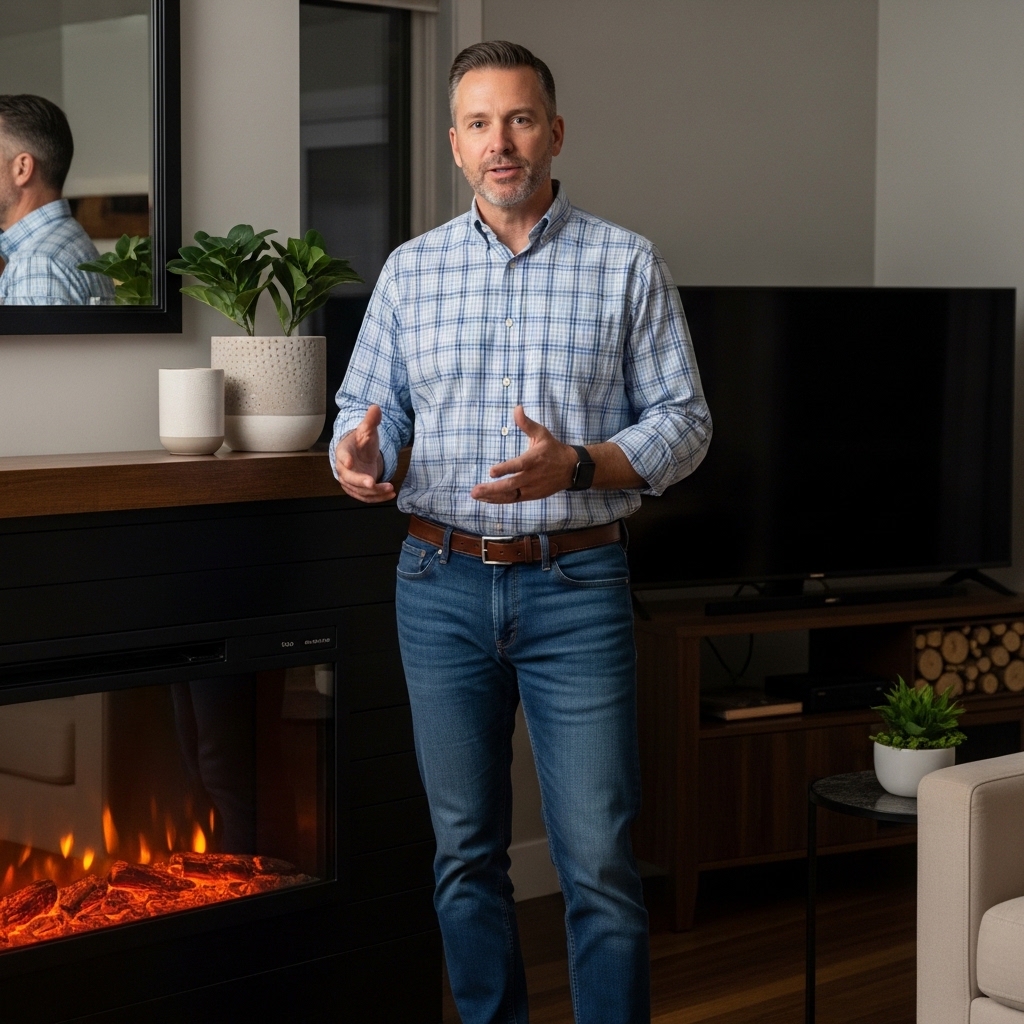

Decorating a fireplace is primarily about balancing visual appeal with strict safety clearances. The direct answer to how to decorate my fireplace is to prioritize non-combustible materials and maintain the manufacturer-specified distance from the heat source. This approach ensures that decorative elements do not become fire hazards while still creating a welcoming focal point for your living space.
Many homeowners struggle with the tension between aesthetics and fire codes. You want a space that feels warm and inviting, but you also need to ensure that every item placed near the hearth is safe. The products listed below offer various decorative options, from metal plaques to wooden signs, that can be integrated into your design. By understanding the specific requirements of your unit, you can create a look that is both stylish and compliant with local regulations. For more context on heating solutions, check out our fireplace heater guide.


Styling a fireplace requires a clear understanding of the boundaries between the active firebox and the surrounding architectural elements.
- The mantel shelf is the primary canvas for most homeowners, but the hearth and the wall space above the mantel also play significant roles.
- You must identify the specific type of fireplace you own, as wood-burning units, gas inserts, and electric models have different heat output profiles and clearance requirements.
- This distinction dictates where you can safely place combustible items like wooden signs or fabric accents.
| Zone | Material Safety | Placement Advice |
|---|---|---|
| Firebox | Non-combustible only | Logs, tools, or stone only |
| Hearth | Heat-resistant | Stone, tile, or metal accents |
| Mantel Shelf | Varying limits | Check manufacturer clearance |
| Wall Above | Standard decor | Framed art or mirrors |
Before placing any item, you need to verify the specific clearance requirements listed in your fireplace’s manual. Most manufacturers specify a minimum distance between the front of the firebox and any combustible material. This distance often ranges from a few inches to several feet, depending on the unit’s design and fuel type. Ignoring these measurements can lead to heat damage or fire risk. Always treat the area immediately in front of the firebox as a restricted zone for decorative purposes.
Selecting the right materials is critical for both safety and longevity. Metal and ceramic items are generally safe for closer proximity to the heat source, while wood and fabric require more distance. The Warning Metal Plaque Poster Tin Signs are a good example of a durable, heat-resistant option that can add personality to a garage or man cave fireplace setup.
Conversely, wooden signs like the Wall Decor Wooden Hanging Plaque should be placed higher on the wall or on a mantel that is sufficiently far from the heat source. Understanding these material differences helps you make informed choices.
Assessing Your Fireplace Type and Clearances
Different fireplace types generate heat in different ways, which affects how you can decorate around them. Wood-burning fireplaces produce open flames and significant radiant heat, requiring wider clearances for combustible items. Gas fireplaces often have glass fronts, which contain the heat but still radiate warmth through the glass. Electric fireplaces typically run cooler but can still heat nearby surfaces if placed too close. You must identify your specific unit type to determine the appropriate safety zone for your decorations.
Local building codes and insurance policies also play a role in how you decorate your fireplace. Some jurisdictions have specific rules about what can be placed near a heat source. It is always wise to check with your local fire department or a qualified professional if you are unsure about the safety of a particular arrangement. This step ensures that your decorative choices do not violate any regulations or void your insurance coverage. A quick consultation can save you from potential issues down the road.
When measuring your space, use a tape measure to determine the exact distance from the firebox opening to the mantel shelf and the wall above. Record these measurements and compare them to the clearance requirements in your manual. If your mantel is closer to the firebox than the recommended distance, you may need to limit your decor to non-combustible items or consider a different layout. This practical step helps you visualize the safe zones for your decorations.
Choosing Safe and Stylish Decorative Elements
The mantel shelf is the most popular spot for fireplace decorations, but it requires careful planning. You want to create a balanced arrangement that does not look cluttered or unsafe. Start with larger, heavier items on the ends and smaller, lighter items in the center. This technique creates a stable visual foundation and prevents items from falling if bumped. Use items like metal plaques or ceramic ornaments to add texture and interest without compromising safety.
Wall space above the mantel offers another opportunity to enhance your fireplace’s appearance. You can hang framed art, mirrors, or wooden signs to draw the eye upward and create a sense of height. The Bible Verse Wood Sign is a popular choice for those who want to add a personal or spiritual touch to their living room.
Ensure that any hanging items are securely mounted and do not obstruct the view of the firebox or any safety controls. This area is generally safer for combustible materials, but you should still keep an eye on the heat rise.
Seasonal decorations can add a festive touch to your fireplace, but they require extra care to ensure safety.
- Holiday items like garlands, wreaths, and ornaments should be kept at a safe distance from the heat source.
- Use non-flammable materials for garlands and ensure that any lights are rated for indoor use and are in good condition.
- Avoid placing candles or open flames near the fireplace, as this is a significant fire hazard.
- By choosing safe materials and following basic guidelines, you can create a festive and welcoming atmosphere.
Maintaining a Safe and Attractive Display
Regular maintenance is key to keeping your fireplace decorations safe and looking their best. Dust and soot can accumulate on items placed near the firebox, especially if you use a wood-burning fireplace. Wipe down metal and ceramic items with a damp cloth to remove debris and prevent buildup. Check wooden signs for any signs of heat damage, such as warping or discoloration, and move them to a cooler location if necessary. This routine care helps extend the life of your decorative items.
It is also important to keep the area around the fireplace free of clutter. Avoid placing books, magazines, or other combustible items on the hearth or mantel shelf. These items can catch fire if they get too close to the heat source. Use decorative baskets or trays to organize smaller items and keep them off the main surfaces. A tidy and organized fireplace area is not only safer but also more visually appealing. This simple habit can make a big difference in the overall look and feel of your space.
Consider the long-term impact of your decorative choices on your home’s interior design. Choose items that complement your existing color palette and style. Mix and match different textures and materials to create a layered and interesting look.
For example, pair a sleek metal plaque with a rustic wooden sign to add contrast and depth. This approach ensures that your fireplace remains a focal point that enhances the overall aesthetic of your room. By taking the time to plan and maintain your decorations, you can enjoy a beautiful and safe fireplace for years to come.
Common Mistakes to Avoid
One of the most common mistakes is placing combustible items too close to the heat source. This is a significant safety risk that can lead to fire or damage to your decorations. Always refer to your fireplace’s manual for the specific clearance requirements and adhere to them strictly. If you are unsure, err on the side of caution and keep items further away. This simple step can prevent serious accidents and protect your home.
Another mistake is neglecting the heat rise from the fireplace. Hot air rises and can affect items placed above the mantel. Be mindful of this when hanging pictures or signs, and ensure that they are not in the direct path of the heat. Use heat-resistant materials for any items that may be exposed to higher temperatures. This consideration helps protect your decorations and maintains their appearance over time. By avoiding these common errors, you can create a safe and stylish fireplace display.
Finally, do not overlook the importance of regular inspection. Check your decorations periodically for any signs of wear, damage, or heat exposure. Replace any items that show signs of deterioration, as they may no longer be safe to use. This proactive approach ensures that your fireplace remains a safe and enjoyable part of your home. By staying vigilant and informed, you can maintain a beautiful and secure fireplace environment. For more tips on heating and safety, see our fireplace cover guide.
In summary, decorating your fireplace is a process that balances creativity with safety. By understanding your fireplace type, choosing appropriate materials, and following basic maintenance practices, you can create a display that is both attractive and secure. Take the time to plan your layout and consider the long-term impact of your choices. This approach ensures that your fireplace remains a welcoming and safe focal point for your home. Enjoy the process of transforming your space into a cozy and inviting retreat.




Write Your Review
No reviews yet. Be the first to share your experience!