


Starting a gas fireplace with battery backup typically involves verifying the battery pack has sufficient voltage, ensuring the gas valve is open, and activating the ignition switch while listening for the pilot light spark.
If the unit fails to light on the first attempt, the issue usually stems from weak batteries, a closed gas supply, or a tripped safety lockout rather than a major mechanical failure. Homeowners often face this situation during a power outage or after the unit has been idle for a season, making it essential to know the specific startup sequence for your model.
The battery pack provides the electrical power needed to operate the ignition system and control board, independent of the main house electricity. This feature is critical for maintaining heat during outages, but it requires specific attention to ensure the batteries are fresh and properly installed.
Understanding the interplay between the battery power, gas flow, and ignition mechanism helps you diagnose why a fireplace might not start and how to resolve it safely without calling a technician for a minor issue. Our gas fireplace guide offers additional context on how these systems generally operate.
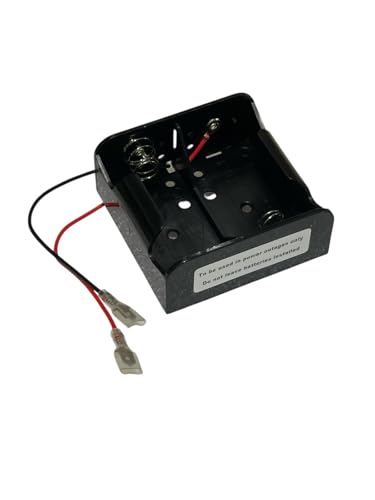
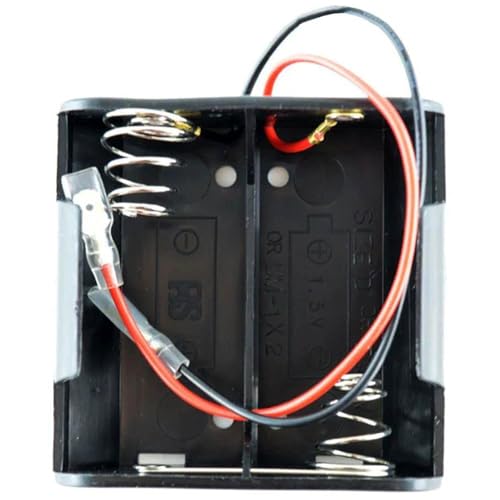

Before attempting to ignite the unit, confirm that the gas supply is open and that the battery pack is inserted correctly with the positive and negative terminals aligned as marked on the unit. The primary objective is to establish a stable electrical connection to the control board so the ignition sequence can initiate.
If the fireplace has been unused for an extended period, allow a few minutes for any residual gas in the lines to dissipate before starting the ignition process. This prevents a buildup of gas that could cause a delayed ignition or a safety lockout.
| Component | Function | Check Before Start |
|---|---|---|
| Battery Pack | Powers ignition and controls | Voltage level, terminal alignment |
| Gas Valve | Controls fuel flow | Position (Open/Closed) |
| Ignition Switch | Triggers pilot light | Functional, accessible |
| Control Board | Manages safety and operation | Power indicator lights |
Follow this checklist to ensure the environment and unit are ready for startup. Each point addresses a common cause of failure that can be resolved by the homeowner without tools.
- Verify the gas supply valve is in the open position.
- Check that the battery pack is fully inserted and secure.
- Ensure the area around the fireplace is clear of debris.
- Confirm the ignition switch is accessible and not jammed.
- Listen for the sparking sound when activating the ignition.
- Observe the pilot light to confirm it is steady.
- Wait for the safety lockout timer to reset if applicable.
- Check for any error codes on the control panel display.
Verifying Battery Power and Installation
The battery pack is the heart of the backup system, providing the necessary voltage to energize the ignition module and control board. Most gas fireplaces designed for battery backup use a specific configuration, often involving D-cell batteries, to maintain a consistent power output.
If the unit does not respond to the ignition switch, the first step is to check the battery voltage with a multimeter or replace the pack with a known good one. Weak batteries may provide enough power for the display but not enough for the high-current draw of the ignition spark.
Improper installation is a frequent cause of startup failure. Ensure the battery pack is oriented correctly, with the positive terminal matching the positive contact in the fireplace compartment. Some models require the pack to be fully seated to make contact with the spring terminals. If the pack feels loose, it may not be making a stable connection, leading to intermittent power issues. Re-seat the pack firmly and check for any corrosion on the terminals, which can impede electrical flow.
Gas Supply and Valve Configuration
The gas valve must be in the open position for the fireplace to receive fuel. This valve is typically located at the base of the unit or on the gas line entering the fireplace. If the valve is closed, the ignition system will spark, but no gas will reach the pilot light, resulting in a failed start.
Always confirm the valve handle is aligned with the gas line when open. In some installations, there is also a main gas shut-off valve in the basement or utility room that must be open.
Gas pressure issues can also prevent startup. If the gas pressure is too low, the pilot light may not ignite or may go out immediately after ignition. This is often a sign of a partially blocked line or a regulator issue. Do not attempt to adjust gas pressure yourself, as this requires specialized tools and knowledge. If you suspect a gas pressure problem, contact a qualified professional to inspect the line and regulator. Ensuring the gas supply is reliable is a critical step in the startup process.
Ignition Sequence and Pilot Light Operation
Once the battery and gas supply are verified, activate the ignition switch. In most systems, this triggers a series of sparks at the pilot light location. You should hear a distinct sparking sound and see a small flame appear at the pilot burner. The pilot light must remain lit for a specified period, usually between 30 seconds and two minutes, to heat the thermocouple or flame sensor. This safety device ensures that gas only flows to the main burner if the pilot light is present.
If the pilot light ignites but goes out after a few seconds, the thermocouple may not be heating properly. This can happen if the pilot flame is not positioned correctly over the sensor or if the sensor is dirty. Gently cleaning the pilot assembly with a soft cloth can sometimes resolve this issue, but always follow the manufacturer’s instructions. If the problem persists, the thermocouple may need replacement. Do not bypass the safety sensor, as this can lead to gas leaks and serious safety hazards.
Troubleshooting Common Startup Failures
When the fireplace fails to start, it is helpful to isolate the problem by checking each component systematically. A lack of sparking indicates a battery or ignition module issue, while sparking without ignition points to a gas supply or pilot assembly problem. If the unit locks out after several failed attempts, it is a safety feature designed to prevent gas buildup. Wait for the lockout timer to expire, which is typically between 5 and 15 minutes, before attempting to start the unit again.
- Replace batteries if the unit does not spark or display lights are dim.
- Check gas valve position if you hear sparking but no flame.
- Listen for a hissing sound, which may indicate a gas leak.
- Wait for the lockout timer to reset after failed ignition attempts.
- Inspect the pilot assembly for debris or soot buildup.
- Ensure the control board is receiving power from the battery pack.
- Verify that the fireplace is not in a locked or standby mode.
- Consult the owner’s manual for specific error code meanings.
If you smell gas at any point during the startup process, stop immediately and do not attempt to ignite the unit. Turn off the gas supply, open windows to ventilate the area, and leave the house. Contact your gas utility or a qualified technician to inspect the system for leaks. Safety is paramount, and never ignore the smell of gas. For more information on maintaining your fireplace safely, refer to our fireplace safety resources.
Maintenance and Long-Term Reliability
Regular maintenance ensures the battery backup system remains reliable when you need it most. Check the battery pack voltage every few months, even if the fireplace is not in use, to ensure the batteries are not draining. Store spare batteries in a cool, dry place to extend their lifespan. Clean the pilot assembly and flame sensor annually to prevent soot buildup, which can interfere with ignition and safety sensors.
Consider using high-quality alkaline batteries for the backup pack, as they provide a more consistent voltage over time compared to standard carbon-zinc batteries. This is especially important during long power outages when the fireplace may be the primary heat source. By following these maintenance practices, you can ensure that your gas fireplace with battery backup starts reliably and operates safely for years to come. Always refer to the manufacturer’s manual for specific maintenance schedules and recommendations for your model.
Starting a gas fireplace with battery backup is a manageable task if you follow the correct sequence and safety precautions. By verifying the battery power, gas supply, and ignition system, you can resolve most startup issues without professional help. If problems persist, consult a qualified technician to ensure your system is safe and functional. Proper preparation and understanding of the components will give you confidence in using your fireplace during power outages or seasonal use.



Write Your Review
No reviews yet. Be the first to share your experience!