
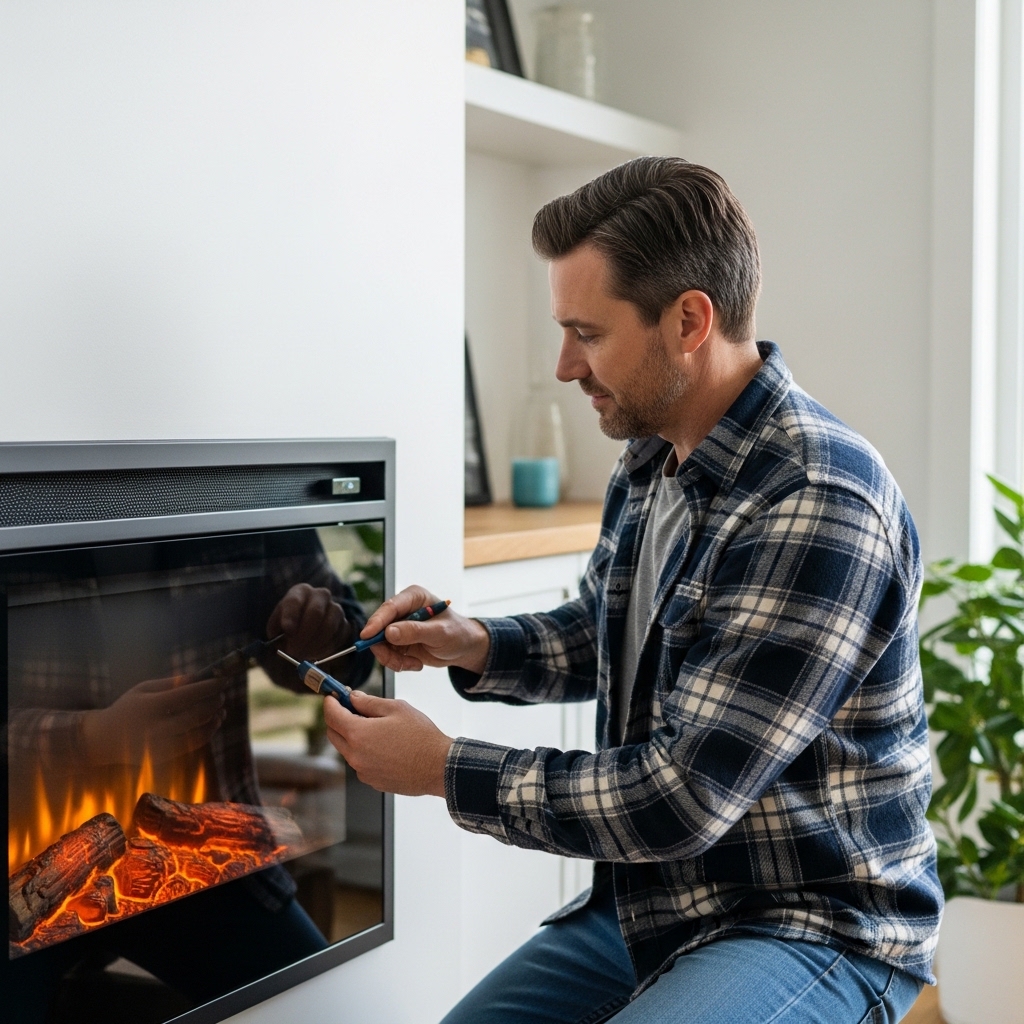

Whether a fireplace can warm your entire home depends largely on the unit type, home insulation, and room size. will a fireplace heat my house is a common question for homeowners looking to reduce heating bills, but the answer is rarely a simple yes or no. Most fireplaces are designed to provide supplemental comfort to a specific area rather than acting as the primary heat source for a whole structure.
Factors such as fuel efficiency, venting configuration, and the condition of the chimney play critical roles in how much heat actually stays in the room. For instance, an unsealed wood-burning fireplace may lose a significant amount of warm air up the chimney, whereas a sealed insert or a modern electric unit may retain heat more effectively. Understanding these mechanics helps you set realistic expectations for your comfort needs and energy usage.


The short answer is that a standard fireplace usually heats the room it is in, not the entire house. Whole-home heating requires a system designed to distribute air or water throughout the living space, such as a forced-air furnace or a hydronic boiler. Fireplaces generate radiant heat and, in some cases, convective heat, which affects the immediate surroundings first. If your goal is to lower your main heating bill, a fireplace can help by allowing you to turn down the central thermostat, but it likely will not replace it entirely.
| Fireplace Type | Heat Distribution | Whole-Home Potential |
|---|---|---|
| Wood-Burning (Open) | Localized radiant heat | Low |
| Gas Fireplace | Room-focused, some convection | Low to Moderate |
| Electric Fireplace | Room-specific, adjustable | Low |
| Sealed Insert | Improved room efficiency | Moderate |
Several factors determine how much warmth you actually get from the unit. Understanding these variables helps you identify why a fireplace might feel effective in one home but underwhelming in another. The table above provides a general overview, but your specific setup will have unique characteristics that influence performance.
- Home insulation quality affects how long heat stays in the room.
- Window seals and door gaps can cause heat loss near the fireplace.
- The size of the room relative to the fireplace output matters.
- Airflow patterns in the house can carry heat to adjacent areas.
How Different Fireplace Types Handle Heat
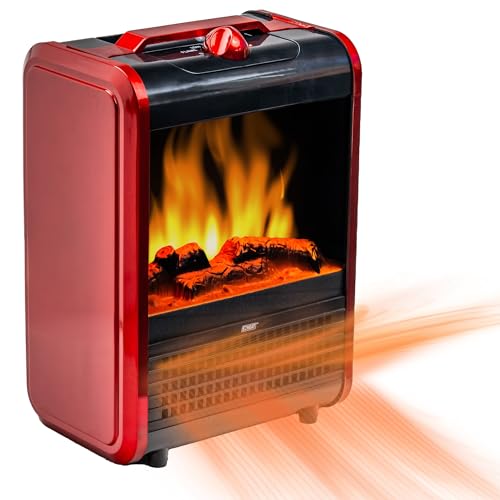
Open wood-burning fireplaces have traditionally been the least efficient at heating a room because a large portion of the heat escapes up the chimney. However, they provide a strong visual and emotional warmth that many homeowners value. Gas fireplaces often offer more control over heat output and can be more efficient if they use a sealed combustion system. Electric fireplaces use convection fans to push warm air into the room, which can be effective for smaller spaces or as a supplementary source.
Sealed inserts are designed to fit into existing fireplaces and improve efficiency by sealing the opening when the fire is not burning. This prevents warm room air from being drawn up the chimney, a phenomenon known as the chimney effect. By retaining more heat, these units can make a noticeable difference in the comfort of the room where they are installed. The choice of fuel also impacts how the heat is generated and distributed throughout the space.
The Role of Venting and Chimney Condition
The condition of your chimney is a critical safety and performance factor. A cracked or poorly sealed chimney can allow heat to escape before it warms the room, or worse, it can pose a fire hazard. Regular cleaning and inspection are essential to ensure that the venting system is operating as intended. If the damper does not close properly, warm air will continue to escape even when the fireplace is not in use.
Venting configuration also affects efficiency. Direct-vent systems, common in modern gas fireplaces, draw combustion air from outside and exhaust directly out, which helps maintain indoor air quality and temperature. This setup can be more efficient than traditional masonry chimneys that rely on natural draft. Homeowners should check the manufacturer specifications for their specific unit to understand the venting requirements and how they impact heating performance.
Home Insulation and Heat Retention
A fireplace can only heat a house effectively if the house is able to retain that heat. Poor insulation in the attic, walls, or floors allows warm air to escape, reducing the impact of any supplemental heat source. Drafts around windows and doors also contribute to heat loss, making it harder for a fireplace to maintain a comfortable temperature. Addressing these issues can improve the overall effectiveness of your heating strategy.
Sealing gaps and adding insulation are practical steps that can enhance the performance of your fireplace. These improvements help keep the warm air generated by the fireplace inside the living space rather than letting it dissipate into the unconditioned areas of the home. It is a cost-effective way to maximize the benefit of your existing fireplace investment.
- Check attic insulation levels to ensure adequate thermal resistance.
- Seal gaps around windows and doors to prevent drafts.
- Use weatherstripping on doors to reduce air leakage.
- Consider adding insulation to exterior walls if feasible.
Supplemental Heat vs. Primary Heating
Most fireplaces are best used as supplemental heat sources. This means they work alongside your central heating system to provide additional comfort in specific areas. By using a fireplace in the room you are occupying, you can turn down the central thermostat, which can lead to energy savings. This approach is often more efficient than trying to heat the entire house with a single fireplace unit.
For whole-home heating, consider the size of your living space and the heat output of your fireplace. A small electric fireplace may not be sufficient to heat a large open-plan living area, while a high-efficiency wood insert might provide more substantial warmth. Matching the heat output to the room size is key to achieving the desired comfort level without overworking the unit.
Safety Considerations for Heating Your Home
Safety should always be the top priority when using a fireplace for heat. Ensure that the chimney is inspected and cleaned annually to prevent creosote buildup, which can lead to chimney fires. Use dry, seasoned wood for wood-burning fireplaces to reduce smoke and improve combustion efficiency. For gas fireplaces, check for gas leaks and ensure proper ventilation to prevent carbon monoxide buildup.
Keep flammable materials at a safe distance from the fireplace opening, and use a sturdy screen or glass door to prevent sparks or embers from escaping. Regular maintenance and adherence to manufacturer guidelines are essential for safe operation. If you notice any unusual smells, smoke, or performance issues, have the unit inspected by a qualified professional immediately.
By understanding the capabilities and limitations of your fireplace, you can use it effectively to enhance your home’s comfort. Whether you are looking to reduce energy costs or simply enjoy a cozy atmosphere, a well-maintained fireplace can be a valuable addition to your home. Focus on improving insulation and using the fireplace as a supplemental heat source to get the most out of it.
If you are considering upgrades or need more information on specific fireplace components, our guide on fireplace covers for draft control can help you retain heat more effectively. Additionally, for those looking to enhance the aesthetic and functional aspects of their fireplace, the corner fireplace stand options offer practical solutions for maximizing space and heat distribution.





Write Your Review
No reviews yet. Be the first to share your experience!