


Struggling to fit logs into a tight firebox often leads to frustration and wasted fuel. Many homeowners overlook the critical importance of proper wood arrangement, which directly impacts heat output and safety. Finding the Best Way To Put Wood In Fireplace is less about force and more about understanding your specific fireplace dimensions and fuel type. You need a method that respects the structural integrity of your flue while ensuring adequate airflow for complete combustion. This approach prevents smoke buildup and reduces the risk of creosote accumulation inside the chimney. Proper loading techniques also help maintain consistent temperatures, making your heating sessions more efficient and enjoyable throughout the colder months.
Before you start stacking, consider the condition of your firewood and the design of your hearth. Dry, seasoned logs burn cleaner and hotter than green wood, which produces excessive smoke and moisture. The size of your logs should match the depth of your firebox to avoid blocking the draft. A compact fireplace heater might be a better alternative if your current setup is inefficient or difficult to manage. However, for traditional wood-burning units, mastering the loading sequence is essential. Start with a solid base of kindling, then arrange larger logs in a crisscross pattern to promote even burning. This method ensures that air can circulate freely around the fuel, leading to a longer, steadier flame.

Common Questions About Wood Loading
How should I stack logs for best airflow?
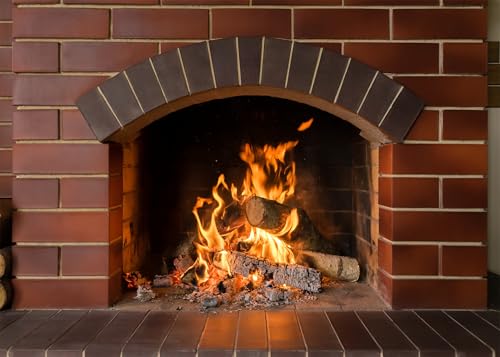
Stack logs in a crisscross or log cabin pattern to allow air circulation. This arrangement ensures oxygen reaches the center of the fire, promoting efficient combustion. It helps prevent smoke from backing up into the room and keeps the fire burning steadily.
Is it safe to use wet wood in the fireplace?
No, avoid using wet wood as it produces excessive smoke and creosote. Wet logs release moisture that cools the flue, leading to soot buildup. This residue can be a fire hazard and requires frequent cleaning to maintain safety.
How much clearance is needed around the fire?
Ensure at least 18 inches of clearance from combustibles, following manufacturer guidelines. This space prevents heat damage to walls and furniture. Always check local building codes for specific requirements related to your fireplace type and installation.
Do I need a special tool to load wood?
A fire poker or log tongs are useful for safe handling. These tools keep your hands away from the heat and help position logs accurately. Using them reduces the risk of burns and ensures the wood is placed correctly for optimal burning.
Where should I store firewood near the fireplace?
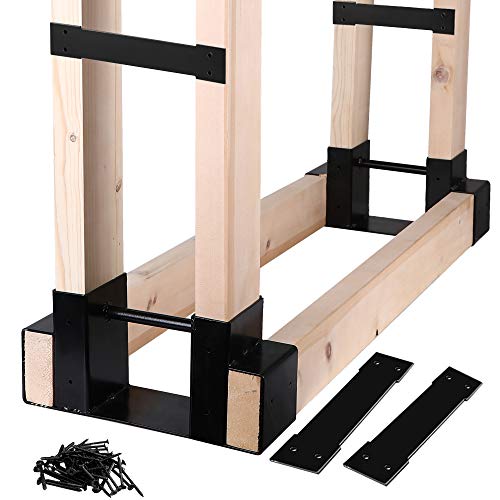
Store wood in a dry, elevated area away from direct heat sources. A corner fireplace stand or dedicated rack keeps logs organized. Proper storage prevents rot and ensures the wood remains dry and ready for use when needed.





Write Your Review
No reviews yet. Be the first to share your experience!