


Most modern gas fireplaces do not require a traditional masonry hearth extension, but specific safety clearances and flooring materials are mandatory. The need for a hearth depends entirely on the unit type, whether it is vented, vent-free, or direct-vent, and the local building codes in your area. Understanding these distinctions helps you avoid costly installation errors and ensures the appliance operates safely within your home structure.
Homeowners often confuse the decorative mantel with the functional hearth pad, leading to compliance issues during inspections. A gas fireplace is a combustion appliance that requires strict adherence to manufacturer specifications regarding clearances to combustibles. The hearth serves as a heat shield, protecting the floor from radiant heat and sparks, although modern designs have minimized this requirement.
You must verify the specific model requirements before purchasing, as a vent-free unit has different spatial needs than a direct-vent system. This guide clarifies the technical requirements for different gas fireplace configurations to help you plan your installation correctly.

Pros
- Versatile dual-fuel capability works with both LP gas and natural gas supplies
- Strong 20,000 BTU output provides rapid, reliable warmth for spaces up to 700 sq. ft.
- Dual-burner system creates a deeper, more realistic flame pattern than standard single burners
- Thermostat dial provides convenient automated heat regulation without constant adjustments
- Vent-free design eliminates the high expense and hassle of chimney installation
Cons
- Circulation blower fan (model PBAR-2427) is sold separately and not included
- Requires professional gas line hookup and verification of local vent-free building codes
- Unvented gas combustion introduces minor room humidity that requires proper room air exchange
The Pleasant Hearth VFS2-PH20DT is a compact, vent-free gas stove designed to deliver robust warmth and charming hearthside atmosphere without the complexity of a traditional chimney. Engineered with dual-fuel versatility, it operates on either liquid propane or natural gas, giving homeowners and property managers flexible fueling options. This freestanding heating appliance is an exceptional choice for chilly basements, remote cabins, four-season porches, and spacious living rooms that need a boost during the coldest months of the year.
With an output of up to 20,000 BTUs per hour, this unit is rated to heat living areas up to 700 square feet. The dual burner setup produces two distinct rows of lively flames, creating a much fuller and more authentic fire display than standard single-burner stoves. Whether you are gathered around for family movie night or relaxing on a freezing winter evening, the dual flames cast a warm, ambient glow that elevates the coziness of the entire room.
Temperature management is straightforward thanks to the integrated thermostat control knob. Rather than constantly fiddling with dials, you can set your preferred comfort level and let the stove automatically cycle the flame output to sustain a stable room climate. Because it is a vent-free system, nearly 100 percent of the fuel energy is converted into usable heat inside your home, avoiding the heat loss typical of vented flues. For households seeking even faster heat dispersion across wide open floor plans, an optional variable-speed blower is available separately.
Crafted with a durable metal cabinet weighing approximately 58 pounds, the stove offers solid freestanding stability without dominating your living area. Measuring 23.5 inches across, its compact footprint tucks cleanly against walls, into unused hearth recesses, or along dining room perimeters. While the unit does not require an exterior flue, homeowners should verify local building codes regarding vent-free appliances and ensure proper room ventilation. Connecting to your chosen gas supply line should be handled according to safety guidelines to guarantee reliable operation.
For homeowners looking to cut winter heating bills or secure a dependable heat source during emergency power outages, the Pleasant Hearth VFS2-PH20DT provides practical comfort and classic stove appeal. While purchasing the optional circulation fan adds an extra expense, the core unit delivers powerful supplemental heat and attractive dual-burner ambiance that make chilly winter evenings significantly more inviting.
Generating up to 20,000 BTUs per hour, this compact stove produces substantial radiant and convective heat capable of warming up to 700 square feet. The dual-tier burner produces an active flame bed that radiates heat directly into the living space, making cold spots vanish quickly.
Because the unit operates on gas without relying on electricity for basic flame production, it functions as an essential off-grid or emergency heating resource during winter power disruptions. Adding the optional circulation blower improves broad heat coverage, but even in standard radiant mode, the stove provides deep and consistent room comfort.
The dual-fuel technology provides exceptional adaptability, allowing direct connection to either a municipal natural gas line or an exterior liquid propane cylinder. This makes the stove just as suitable for suburban family rooms as it is for rural workshops or detached vacation properties.
Vent-free operation eliminates the extensive cost and structural modifications required for external chimney flues. Proper installation still requires following local building clearances and ensuring adequate room square footage for optimal air exchange and safety compliance.


Pros
- Massive 30,000 BTU output provides rapid and consistent supplemental warmth for expansive rooms
- Dual fuel capability allows straightforward hookup to either natural gas lines or liquid propane tanks
- Dual burner system creates realistic, full-bodied flame aesthetics inside the firebox
- Durable cold-rolled steel construction provides a sturdy, traditional cast-iron aesthetic
- Continues to provide emergency heat during winter electrical power outages
Cons
- Circulation blower fan is sold separately and does not come standard in the box
- At 78 pounds, the unit requires two people for safe unboxing and placement
- Vent-free appliances require adequate room ventilation and may not be approved in all local building jurisdictions
The Pleasant Hearth VFS2-PH30DT is a freestanding, vent-free gas stove engineered to deliver robust supplemental heat without the need for an external chimney or venting system. Finished in a classic black finish with a cold-rolled steel body, this 32-inch unit fits naturally into spacious living rooms, finished basements, and open-concept family spaces. Homeowners seeking reliable warmth during cold snaps or looking to offset central heating bills will appreciate its timeless woodstove silhouette combined with clean gas efficiency.
With a maximum heat capacity of 30,000 BTU per hour, this intermediate stove is rated to warm areas up to 1,000 square feet. Based on product specifications, the stove incorporates a dual burner configuration that creates two distinct rows of lively flames. This setup produces strong radiant heat while delivering the visual ambiance of a traditional hearth fire. The integrated thermostat monitors ambient temperatures and cycles fuel delivery accordingly, helping prevent rooms from overheating while conserving fuel over long winter evenings.
Flexibility is a strong selling point for this model thanks to its dual fuel engineering. Homeowners can configure the unit to run on either liquid propane or natural gas, depending on existing home hookups. Because the stove operates primarily via natural air convection, it runs silently without distracting mechanical hums. Those who prefer pushed air circulation can purchase an optional add-on blower, but the standard convection draft does a commendable job circulating rising heat across large rooms.
Safety and clearance planning are essential with any vent-free indoor heating system. The stove includes an overheat sensor to help monitor safe operational temperatures. Owners should plan their floor space carefully, observing manufacturer guidelines that require at least 5 inches of rear wall clearance and 36 inches of clearance above the unit. Because the stove produces combustion warmth directly into the living space, ensuring baseline fresh air turnover is recommended for indoor comfort.
Setting up the Pleasant Hearth stove requires connecting it to a regulated gas source, meaning professional installation is strongly advised to verify gas pressure and seal connections safely. Once properly connected, the stove requires minimal upkeep beyond occasional dusting and burner checks. For homeowners needing dependable warmth that functions even during winter power failures, this freestanding stove represents a functional and visually comforting heating investment.
Generating up to 30,000 BTU per hour, this freestanding gas stove provides serious thermal output capable of heating expansive open living areas up to 1,000 square feet. The dual burner setup establishes two staggered rows of flames, yielding intense radiant warmth and an attractive visual depth inside the firebox.
Because the unit uses a vent-free design, thermal efficiency is exceptionally high since no warmth escapes upward through a chimney pipe. The onboard thermostat modulates flame output to maintain steady indoor temperatures, allowing you to use zone heating strategies to reduce reliance on primary furnace systems.
Proper placement requires observing minimum clearance distances of 5 inches from back walls and 36 inches from any overhead structures or mantels. Weighing approximately 78 pounds, the unit is solid and stable, making a two-person team helpful during transit and positioning.
Thanks to dual fuel capability, the stove accommodates liquid propane or natural gas connections. Given the precision required for gas line hookups and pressure regulation, hiring a licensed gas professional for final connection ensures code compliance and long-term peace of mind.

Pros
- Manufactured in the USA from quality-tested, asbestos-free mineral fiber
- Versatile compatibility with both natural gas and liquid propane fuel systems
- Generous 6-ounce volume covers a full burner pan with extra material for future maintenance
- Resists extreme fireplace operating temperatures for multi-season durability
Cons
- Packing material too densely over burner ports can restrict flame aeration and lead to improper combustion
- Vent-free fireplace owners must verify appliance documentation before placement, as requirements vary by unit
Midwest Hearth Rock Wool is a specialized mineral fiber media formulated for residential gas fireplaces and decorative log sets. This accessory is aimed at existing gas hearth owners looking to restore or refresh a faded ember bed without replacing functional burner components. Over time, original ember media can scatter, gather dust, or degrade, leaving the burner floor looking sparse. Adding fresh mineral fiber provides an immediate aesthetic lift by restoring the appearance of glowing embers underneath the flames.
The media functions by glowing bright orange-gold wherever direct gas flames contact the mineral strands, simulating the look of glowing wood embers. It is formulated to work with both natural gas (NG) and liquid propane (LP) burner pans. The material is suitable for vented fireplaces and can also be used in unvented (vent-free) gas appliances, provided the appliance manufacturer explicitly allows loose ember media on the burner assembly. Because it is purely decorative, it does not alter appliance heat output or gas consumption.
Manufactured in the United States, this rock wool is composed of 100 percent asbestos-free mineral fiber engineered to endure high firebox temperatures without rapid deterioration. Each bag provides 6 ounces (approximately 0.375 pounds) of loose gray fiber. This quantity is generally sufficient to fully cover a standard full-size fireplace burner pan while leaving extra material behind for subsequent seasonal touch-ups. It can be used alone or layered over a base of vermiculite or lava rock to establish realistic texture and depth.
Applying rock wool requires attention to gas flow and flame clearance. To achieve the intended glow without causing flame impingement or sooting, users should tear off small, wispy pinches and place them loosely around the burner ports and where the flames graze the logs. Tightly packing the fibers over gas ports must be avoided, as restricted gas aeration can lead to poor combustion, soot deposits, or irregular flame patterns. Lightly misting the log surface with water or using a brush to dust loose fibers onto contact areas can help the material stick to vertical log faces.
Midwest Hearth Rock Wool is a practical, budget-conscious maintenance accessory for homeowners wanting to revive their gas fireplace display. While installation is straightforward, buyers should always cross-reference their fireplace manufacturer instructions, particularly with vent-free models where strict burner port clearances apply. When placed correctly in loose tufts, it offers a durable, realistic flame enhancement that lasts through multiple heating seasons.
This rock wool ember media is compatible with both natural gas (NG) and liquid propane (LP) fireplace systems. It is engineered for use with vented gas fireplaces and vented gas log sets. It is also usable in unvented (vent-free) appliances, but homeowners must verify that their specific appliance manual allows loose ember placement, as vent-free burner tolerances are strictly regulated by manufacturers.
For optimal results, pull the mineral fiber apart into small, fluffy tufts rather than laying it in dense mats. Distribute these pieces loosely along the burner pan and near gas ports where flames directly touch the material. Do not pack the wool tightly over gas orifices, as proper airflow is necessary for clean combustion. A light spritz of water on log surfaces can help stray fibers cling to the logs for a dynamic, multi-level glow.
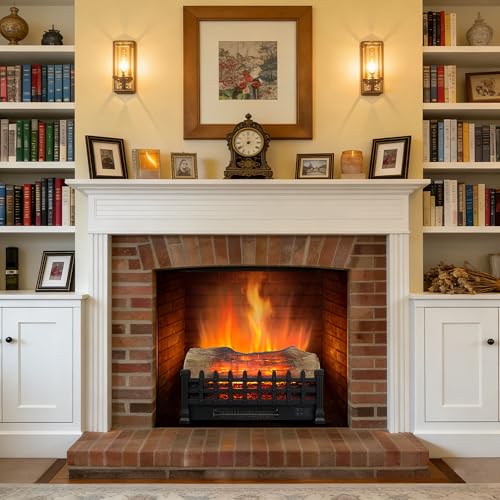
The short answer is that most contemporary gas fireplaces do not need a raised masonry hearth, but they do require a non-combustible floor surface. The International Residential Code (IRC) and local amendments dictate these rules, which vary by jurisdiction. A hearth is traditionally a flat surface of stone, brick, or tile that extends out from the fireplace opening.
For gas units, the primary concern is the heat output and the potential for radiant heat to damage nearby flooring materials. Manufacturers design their units to meet specific National Fire Protection Association (NFPA) standards, which often allow for reduced hearth requirements compared to wood-burning stoves.
| Fireplace Type | Hearth Requirement | Typical Floor Material | Venting Method |
|---|---|---|---|
| Vent-Free | Non-combustible surface required | Ceramic tile, stone, metal | None (indoor combustion) |
| Direct-Vent | Non-combustible surface required | Ceramic tile, stone, metal | Sealed pipe to outdoors |
| Powered Vent | Non-combustible surface required | Ceramic tile, stone, metal | Fan-assisted exhaust |
| Traditional Vented | Masonry or non-combustible extension | Brick, stone, tile | Chimney flue |
Before proceeding with an installation, you must confirm the specific clearances listed in the manual for your chosen model. The following points outline the critical checks you should perform to ensure your floor meets safety standards:
- Verify the manufacturer’s required clearance to the floor, which is often zero for sealed units.
- Ensure the floor surface is non-combustible, such as ceramic tile, stone, or metal.
- Check local building codes for any mandated hearth extension dimensions.
- Confirm that the fireplace is level and stable on the prepared surface.
- Inspect the venting path for proper slope and secure connections.
- Ensure no combustible materials are stored within the specified clearance zone.
Vent-Free Units and Indoor Air Quality Considerations
Vent-free gas fireplaces operate without a chimney or external vent, releasing combustion byproducts directly into the room. This design offers high efficiency but introduces specific air quality concerns that affect installation requirements. The absence of a vent means the unit consumes oxygen from the room and produces water vapor and carbon dioxide. Most vent-free units include an oxygen depletion sensor (ODS) that shuts the unit off if oxygen levels drop too low. This safety feature is critical for preventing carbon monoxide buildup in enclosed spaces.
The hearth requirement for vent-free units is primarily about protecting the floor from radiant heat. While these units do not produce embers or sparks, the front of the firebox can become hot to the touch. A non-combustible floor material is essential to prevent damage to hardwood, carpet, or laminate. Some local codes may still require a small hearth extension, even for vent-free units, to provide a visual safety buffer. Always check with your local building authority, as some jurisdictions have stricter rules for unvented appliances.
Direct-Vent Systems and Sealed Combustion Benefits
Direct-vent gas fireplaces use a sealed pipe system that draws combustion air from outside and exhausts byproducts directly outdoors. This sealed system isolates the indoor air from the combustion process, making it the safest option for indoor air quality. Because the unit does not affect the room’s oxygen levels, it is suitable for bedrooms and tightly sealed homes. The venting pipe is typically a double-wall stainless steel tube that passes through the exterior wall or roof.
The hearth requirements for direct-vent units are similar to vent-free models, focusing on non-combustible floor protection. The sealed nature of the unit means there is no risk of sparks or ash falling into the room. However, the glass front of the fireplace can still reach high temperatures, necessitating a safe floor surface. Installation of the venting system requires careful planning to ensure proper routing and weatherproofing. A professional installer should handle the venting to ensure airtight seals and proper slope for condensate drainage.
Traditional Vented Fireplaces and Masonry Hearth Needs
Traditional vented gas fireplaces use the existing chimney flue to exhaust combustion byproducts. These units often require a more substantial hearth extension compared to modern sealed systems. The open design of many traditional units allows for the possibility of embers or heat escaping the firebox, even though gas burns cleaner than wood. Local codes often mandate a hearth extension of at least 16 to 24 inches in front of the opening for these types of appliances.
The hearth material for traditional vented fireplaces must be non-combustible and capable of withstanding high temperatures. Brick, stone, or heavy-gauge metal are common choices. The hearth should be flush with the floor or slightly raised to prevent tripping hazards. If you are converting a wood-burning fireplace to gas, you may need to modify the existing hearth to meet code requirements. This modification can involve adding a non-combustible overlay or extending the existing masonry hearth.
Local Building Codes and Permit Requirements
Building codes vary significantly by state, county, and municipality, so it is essential to consult local regulations before starting any fireplace installation.
- The International Residential Code (IRC) provides a baseline, but local amendments may impose stricter requirements.
- Some areas require a minimum hearth extension for all gas fireplaces, regardless of type, while others exempt sealed direct-vent units.
- Failure to comply with local codes can result in failed inspections, fines, or insurance complications.
Obtaining a permit is usually required for gas fireplace installations, as it involves gas line work and structural modifications. A licensed contractor can help navigate the permit process and ensure that the installation meets all local requirements. The permit process typically involves a plan review, where the installer submits the proposed installation details for approval. This step helps identify any potential code conflicts early in the process. Always keep a copy of the approved plans and inspection reports for your records.
Floor Material Compatibility and Heat Resistance
The choice of floor material is critical for gas fireplace installations, as it must withstand radiant heat without degrading. Ceramic tile, natural stone, and metal are the most common non-combustible options. These materials have high thermal mass and can dissipate heat effectively. Avoid using wood, carpet, or vinyl flooring directly in front of the fireplace, as these materials can warp, scorch, or ignite under sustained heat exposure.
If you prefer the look of wood flooring, consider installing a non-combustible hearth pad that extends far enough to protect the wood. The pad should be made of a material that can handle the specific heat output of your fireplace. Some manufacturers offer pre-fabricated hearth pads in various sizes and finishes. Ensure that the pad is level and securely attached to the subfloor to prevent shifting. This approach allows you to maintain your desired aesthetic while meeting safety requirements.
For more information on protecting your home from drafts and heat loss, our fireplace cover guide offers practical tips on managing airflow around your unit. Proper airflow management works in tandem with hearth requirements to ensure efficient and safe operation.
Installation Clearances and Manufacturer Specifications
Every gas fireplace model has specific clearance requirements that must be met during installation. These clearances define the minimum distance between the unit and combustible materials, including walls, ceilings, and floors. The manufacturer’s installation manual is the primary source for these specifications, and they must be followed exactly. Deviating from these clearances can void the warranty and create safety hazards.
Clearances to the floor are often the most critical, as they determine the type of flooring required. Some units require zero clearance to non-combustible floors, while others may require a specific distance. Check the manual for the exact requirements for your model. Additionally, ensure that the venting system meets the manufacturer’s specifications for length, slope, and number of elbows. Proper venting is essential for safe and efficient operation, and it should be installed by a qualified professional.
When selecting a fireplace, consider the available space in your room and the required clearances. A compact unit may be more suitable for smaller rooms with limited floor space. The flame gas fireplace options available on the market vary in size and design, so it is important to choose one that fits your space and meets your heating needs. Ensure that the unit’s heat output is appropriate for the size of the room to avoid overheating or underheating.
Safety Checks and Maintenance for Gas Fireplaces
Regular safety checks are essential for maintaining the performance and safety of your gas fireplace. Inspect the unit for any signs of damage, such as cracks in the glass or corrosion on the metal components. Check the venting system for blockages or leaks, and ensure that the damper operates smoothly. A professional inspection is recommended at least once a year to identify any potential issues before they become serious.
Clean the fireplace regularly to remove dust and debris from the glass and firebox. Use a non-abrasive cleaner to avoid damaging the glass. Inspect the gas line for any leaks using a soapy water solution, and shut off the gas immediately if you detect a leak. Do not attempt to repair the gas line yourself; contact a licensed professional for any gas-related issues. Proper maintenance ensures that your fireplace operates safely and efficiently for years to come.
Follow the manufacturer’s instructions for all maintenance tasks, and do not modify the unit in any way. Modifications can void the warranty and create safety hazards. Keep the area around the fireplace clear of combustibles, and ensure that the venting system is unobstructed. By following these safety guidelines, you can enjoy the warmth and ambiance of your gas fireplace with peace of mind.
Ultimately, the requirement for a hearth depends on the specific type of gas fireplace you choose and your local building codes. Most modern units require a non-combustible floor surface rather than a traditional masonry hearth. Always consult the manufacturer’s manual and local building authorities to ensure compliance. By understanding these requirements, you can make an informed decision and install your gas fireplace safely and effectively.




Write Your Review
No reviews yet. Be the first to share your experience!