
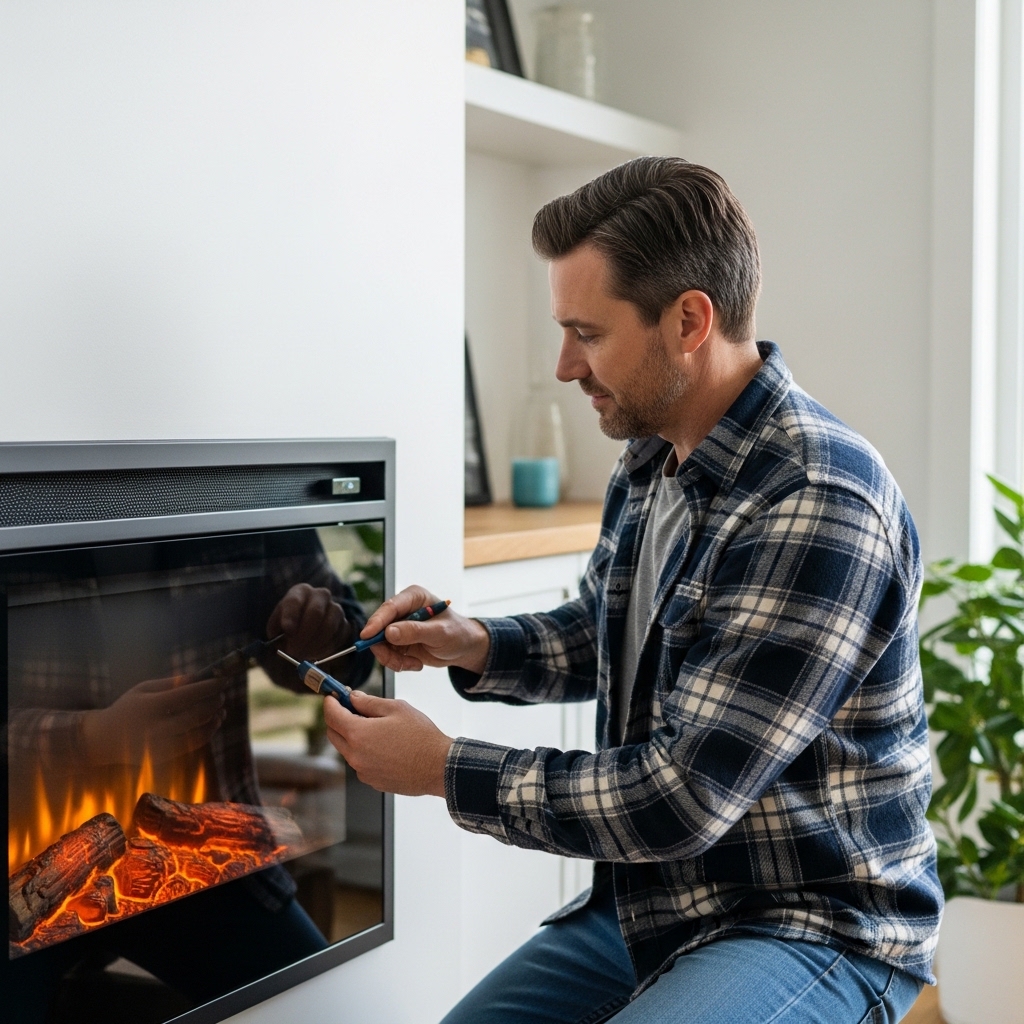

Most gas fireplaces do not require tile directly in front of the unit, provided you maintain the specific clearances listed in the manufacturer’s manual. The primary function of a hearth extension is to protect combustible flooring from heat and sparks, not to serve as a decorative requirement for every installation. Whether you need tile depends heavily on your fuel type, venting configuration, and the material of your existing floor.
Understanding do you need tile in front of a gas fireplace requires looking at safety codes rather than aesthetics alone. Many modern vented gas units have non-combustible hearths built into the structure, making external tile optional. However, vent-free units or those with open fronts may have stricter requirements. Checking your local building codes and the specific model documentation is the safest way to determine if a tile hearth is mandatory or merely a stylistic choice for your living space.

Understanding Tile Requirements for Gas Fireplaces
The necessity of installing tile in front of a gas fireplace hinges on the interaction between the unit’s heat output and the floor material. Vented gas fireplaces typically exhaust heat through a chimney, keeping the front area cooler than wood-burning or vent-free counterparts. However, the manufacturer’s listed clearances dictate the minimum distance the firebox must maintain from combustible materials like wood, carpet, or drywall.
If your floor is non-combustible, such as concrete, stone, or ceramic tile, you generally do not need to add a separate hearth extension. The existing surface already meets the safety standard for heat resistance. Conversely, if you have hardwood, laminate, or carpet, a non-combustible barrier is often required. This barrier can be tile, stone, or a certified hearth pad, depending on the specific clearance requirements of your fireplace model.
| Fireplace Type | Typical Tile Requirement | Primary Reason |
|---|---|---|
| Vented Gas | Often Optional | Heat is exhausted up the chimney; front stays cooler |
| Vent-Free Gas | Frequently Required | More heat stays in the room; higher surface temps |
| Direct Vent | Depends on Model | Sealed system; check specific manufacturer clearance |
Local building codes also play a significant role in this decision. Some jurisdictions require a hearth extension for all gas fireplaces, regardless of the floor type, while others allow exceptions for non-combustible surfaces. It is crucial to verify these local regulations before skipping the tile installation. A licensed inspector can confirm whether your specific setup complies with current safety standards.
- Check the manufacturer’s installation manual for specific clearance dimensions
- Identify if your flooring is classified as combustible or non-combustible
- Review local building codes for mandatory hearth extension rules
- Consult a professional if the floor material is unclear
Vented vs. Vent-Free Differences
Vented gas fireplaces are designed to draw air from outside and exhaust combustion byproducts through a chimney. This process significantly reduces the amount of heat that remains in the room near the front of the unit. Because the front face of the fireplace is cooler, the risk of damaging nearby flooring is lower. This often makes tile installation optional if the existing floor is already non-combustible.
Vent-free gas fireplaces, on the other hand, release all combustion byproducts into the room. This results in higher heat retention and warmer surfaces around the unit. The increased thermal load means that combustible materials near the front are at a higher risk of damage or ignition. Consequently, vent-free units frequently require a non-combustible hearth extension to meet safety standards, even if the floor is wood or stone.
Direct vent systems operate similarly to vented units but use a sealed double-wall pipe. They are highly efficient but still produce heat that radiates outward. The specific requirements for these units vary by manufacturer. Some models list a specific distance for the hearth extension, while others may state that no extension is needed if the floor is non-combustible. Always refer to the specific model documentation rather than assuming one type fits all.
Floor Material and Heat Resistance
The type of flooring in front of your fireplace is the most critical factor in determining tile necessity. Non-combustible materials like ceramic tile, porcelain, natural stone, and concrete are inherently heat-resistant. If your fireplace is installed on one of these surfaces, you likely do not need to add an additional tile layer. The existing floor serves as the protective barrier required by safety codes.
Combustible materials include hardwood, laminate, vinyl, carpet, and drywall. These materials can degrade or catch fire if exposed to excessive heat. If your fireplace is installed on a combustible floor, you must install a non-combustible hearth extension. This extension can be made of tile, stone, or a certified fire-resistant pad. The size of this extension must match the clearance requirements specified in the fireplace manual.
Some homeowners choose to install tile for aesthetic reasons even when it is not strictly required. A tiled hearth can enhance the visual appeal of the room and provide a durable surface that is easy to clean. However, this is a stylistic choice rather than a safety mandate. If you do choose to add tile, ensure that the installation does not block any vents or air intakes on the fireplace unit.
Local Codes and Permit Requirements
Building codes vary by region, and these variations can significantly impact your installation plan. Some areas have strict codes that require a hearth extension for all gas fireplaces, regardless of the floor type. In these cases, you must install tile or another non-combustible material even if the existing floor is already stone or concrete. Failing to comply with these codes can result in failed inspections and potential safety hazards.
Other regions have more lenient codes that allow exceptions for non-combustible floors. In these areas, you may be able to skip the tile installation if your floor is already heat-resistant. However, it is always wise to verify the specific requirements with your local building department. They can provide you with the exact code provisions that apply to your property and fireplace model.
Obtaining a permit for fireplace installation or modification is often required by local authorities. This process ensures that the installation meets safety standards and is inspected by a qualified professional. The permit application may require detailed plans, including the type of flooring and any hearth extensions. Working with a licensed installer can help navigate these requirements and ensure a compliant installation.
Maintenance and Safety Checks
Regular maintenance is essential for the safe operation of any gas fireplace. This includes cleaning the glass, checking the gas line for leaks, and inspecting the venting system. If you have installed tile in front of the fireplace, ensure that the grout lines are intact and that the tiles are not cracked. Damaged tiles can trap heat and potentially lead to floor damage underneath.
Before using the fireplace for the season, perform a thorough inspection of the hearth area. Look for any signs of heat damage, such as discoloration or warping. If you notice any issues, address them immediately to prevent further damage. Keeping the area free of debris and flammable materials is also crucial for safety. This includes removing papers, curtains, or furniture that may be too close to the heat source.
Some users find that adding decorative elements like Gas Fireplace Glowing Embers can enhance the visual appeal of the fire. These products are designed to work with specific gas log sets and can provide a more realistic flame effect. However, always ensure that any added components are compatible with your fireplace model and do not obstruct airflow or vents. Following the manufacturer’s instructions for these accessories is vital for safe operation.
- Inspect the hearth area for cracks or heat damage before each season
- Ensure no flammable materials are placed within the clearance zone
- Check that vents and air intakes are not blocked by debris
- Verify that any added accessories are compatible with your model
Professional Installation Considerations
While some homeowners may attempt to install tile or hearth extensions themselves, professional installation is often recommended. A licensed installer can ensure that the work meets local codes and safety standards. They can also verify that the fireplace is properly vented and that all clearances are correct. This professional oversight can provide peace of mind and protect your investment.
If you are unsure about the tile requirements for your specific fireplace, consult with a professional. They can assess your floor material, review the manufacturer’s documentation, and check local codes to provide a definitive answer. This step is particularly important for vent-free units or those with complex venting systems. A professional can also advise on the best materials to use for the hearth extension.
Choosing the right professional is key to a successful installation. Look for installers with experience in gas fireplace installations and who are familiar with local building codes. They should be able to provide references and proof of insurance and licensing. A qualified installer can help you avoid common mistakes and ensure that your fireplace is both safe and functional for years to come.
Ultimately, the decision to install tile in front of a gas fireplace depends on a combination of factors, including the type of unit, the floor material, and local regulations. By understanding these elements and consulting with professionals when needed, you can make an informed choice that prioritizes safety and aesthetics. Always prioritize the manufacturer’s instructions and local codes to ensure a compliant and safe installation.


Write Your Review
No reviews yet. Be the first to share your experience!