
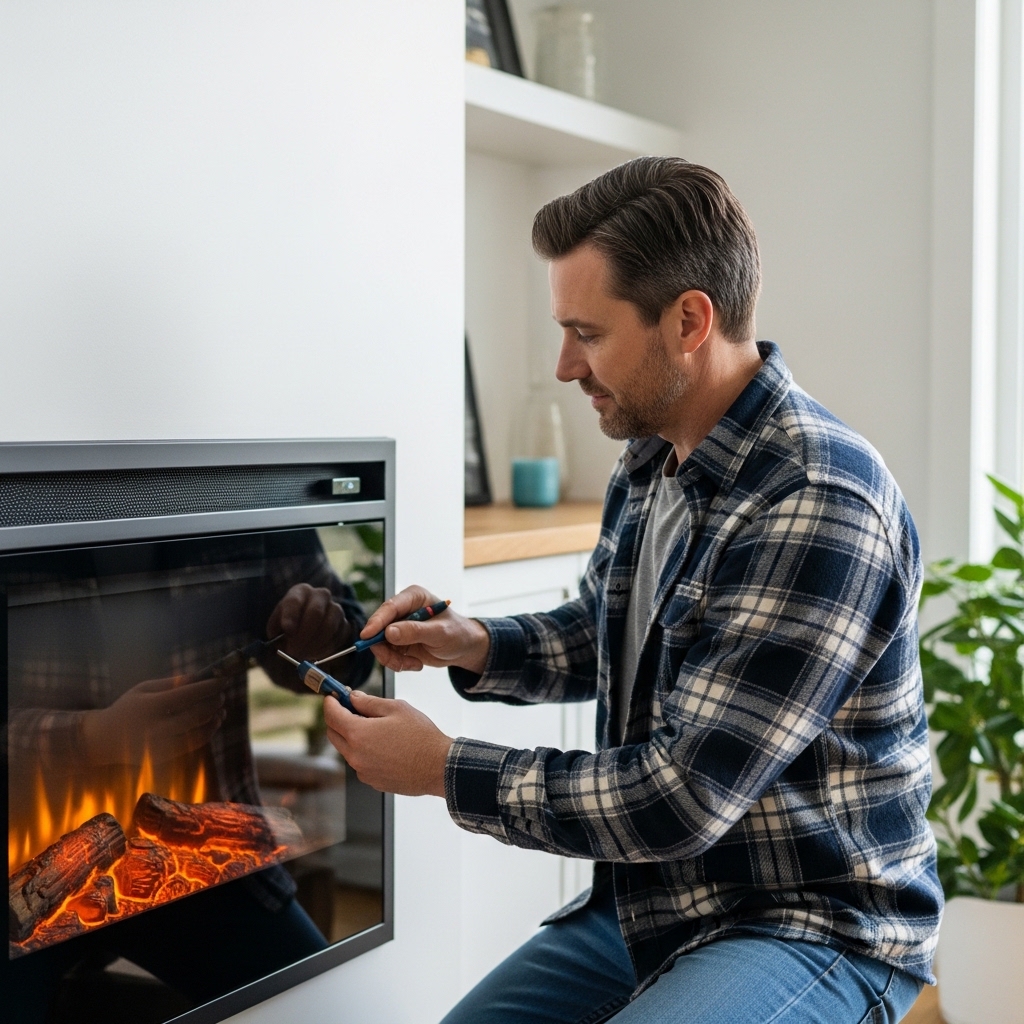

Choosing the right items for your hearth surface depends heavily on your fireplace type and fuel source. For what to put on fireplace hearth setups, heat-resistant ceramics, tempered glass, and non-combustible metals are the standard recommendations. The specific choice often hinges on whether you are using a gas, wood-burning, or electric unit, as each has distinct clearance and material requirements.
Many homeowners overlook the importance of proper hearth accessories until they notice soot accumulation or potential heat damage. Using the correct hearth accessories ensures that your fireplace operates safely while maintaining its aesthetic appeal. This guide breaks down the essential components, from decorative logs to functional tools, helping you make an informed decision based on your specific home setup and safety needs. For related safety information, check out our mesh-compatible fireplace heater guide to understand how protective barriers work in similar heating contexts.



Essential Hearth Components and Safety Standards
The primary goal of selecting hearth items is to protect the home structure from radiant heat and sparks while enhancing the visual appeal of the fire. Different fireplace types require different materials to handle their specific heat outputs and byproducts. Gas fireplaces often use ceramic logs and embers to simulate a wood fire, whereas wood-burning units require robust tools and screens to manage ash and embers. Electric fireplaces have the fewest material restrictions but still benefit from protective covers when not in use.
| Component Type | Primary Material | Best For | Key Safety Feature |
|---|---|---|---|
| Ceramic Logs | Ceramic Fiber | Gas Fireplaces | High heat resistance, no ash |
| Glass Doors | Tempered Glass | Masonry Fireplaces | Spark containment, draft control |
| Tool Sets | Iron/Steel | Wood/Gas Fireplaces | Non-combustible handling |
| Ceramic Embers | Ceramic | Gas Fireplaces | Realistic glow, heat stable |
Before adding any item to the hearth, verify that it is rated for the specific temperature of your fireplace. Gas logs and embers are typically rated for high direct flame contact, but not all decorative items are created equal. Always check the manufacturer’s specifications for maximum temperature ratings to ensure longevity and safety.
- Verify heat resistance ratings match your fireplace fuel type.
- Ensure glass doors fit the specific firebox opening dimensions.
- Choose non-combustible materials for tools and screens.
- Check for ash or residue production in decorative logs.
- Confirm compatibility with vented or ventless configurations.
Ceramic Logs and Embers for Gas Fireplaces
Ceramic logs are a popular choice for gas fireplaces because they mimic the look of real wood without the mess of ash. These logs are designed to withstand high temperatures and release minimal residue. The Large Ceramic Gas Fireplace Logs set includes various sizes to create a realistic, full-looking fire. They are suitable for indoor and outdoor firepits, as well as vented and ventless gas fireplaces.
Ceramic embers add another layer of realism by simulating the glowing coals at the base of the fire. The Midwest Hearth Ceramic Embers are rated for direct flame contact and provide an authentic ember-bed look. They are ideal for accenting the burner and logs, offering a natural, irregular shape that differs from uniform lava rocks. This combination of logs and embers enhances the visual appeal of the fireplace without compromising safety.
Glass Doors for Masonry Fireplaces
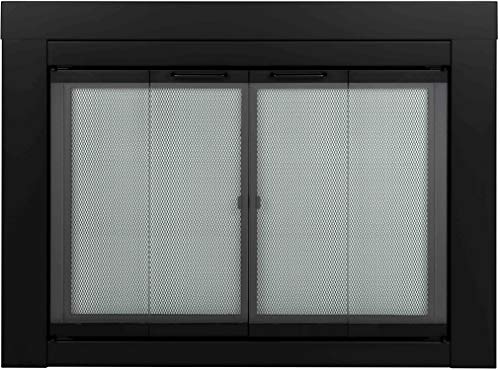
Glass doors are essential for masonry fireplaces, as they help control drafts and contain sparks. The Pleasant Hearth AT-1002 Ascot Fireplace Glass is designed for large masonry fireplaces, featuring bi-fold doors and a standard mesh panel. The clear tempered glass allows for a full view of the fire while providing a safety barrier. These doors are not suitable for prefabricated fireplaces, so it is crucial to check your fireplace type before purchasing.
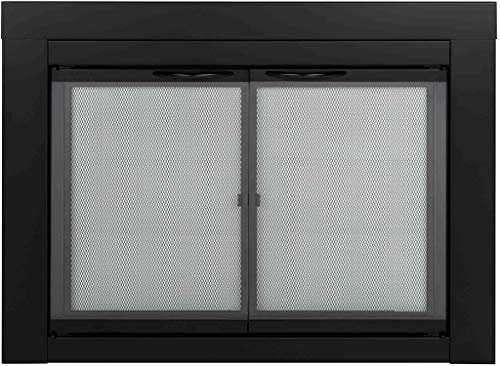
For smaller fireboxes, the Pleasant Hearth AN-1010 Alpine Fireplace Glass offers a compact solution with cabinet doors and easy-grip handles. The glass is also tempered for safety and opens completely for maintenance and cleaning. Glass doors can significantly improve the efficiency of a wood-burning fireplace by allowing better control over airflow. However, they require regular cleaning to maintain visibility and heat reflection.
Fireplace Tools for Wood and Gas Units
Fireplace tools are necessary for managing fuel and ash in wood-burning and some gas fireplaces. The Pilgrim Home and Hearth 18088 Sinclair Fireplace Tool Set includes a shovel, brush, tongs, and poker in a natural iron finish. These tools are designed to be non-combustible and durable, making them suitable for long-term use. A sleek modern design ensures that the tools complement the aesthetic of the fireplace while providing practical functionality.
Using the right tools helps prevent accidents by allowing you to handle hot logs and ash safely. Tongs are particularly useful for moving logs without direct hand contact, while a poker helps adjust the position of the wood for better airflow. Regular use of these tools also helps maintain the cleanliness of the hearth, reducing the risk of soot buildup and potential fire hazards. For more on maintaining a clean and safe fireplace, see our fireplace cover guide for additional protective options.
Material Safety and Heat Resistance
Heat resistance is the most critical factor when selecting hearth items. Ceramic materials are preferred for logs and embers because they can withstand high temperatures without cracking or fading. Tempered glass is used for doors because it can handle thermal shock better than standard glass. Iron and steel are common materials for tools due to their high melting points and durability. Always avoid using wood, plastic, or fabric on the hearth, as these materials can ignite or melt under high heat.
- Ceramic logs can sustain temperatures up to 1000 degrees Celsius.
- Tempered glass doors resist thermal shock and cracking.
- Iron tools remain stable under high heat conditions.
- Avoid combustible materials like wood or plastic on the hearth.
- Check manufacturer ratings for specific temperature limits.
Compatibility and Fit Considerations
Ensuring that your hearth accessories fit your specific fireplace is crucial for both safety and aesthetics. Glass doors, for example, must match the dimensions of the firebox opening to function correctly. The Pleasant Hearth Ascot Fireplace Glass Door is designed for specific width and height ranges, so measuring your firebox is a necessary first step. Similarly, ceramic logs should be sized appropriately for the firebox to create a balanced look without overcrowding.
Venting configuration also plays a role in compatibility. Some logs and embers are designed for ventless fireplaces, while others are better suited for vented systems. Check the product description to ensure that the items you choose are compatible with your fireplace’s venting setup. This step helps prevent issues like smoke buildup or inefficient burning, ensuring that your fireplace operates as intended.
Maintenance and Cleaning Tips
Regular maintenance is key to keeping your hearth items in good condition. Glass doors should be cleaned periodically to remove soot and ash, which can obscure the view and reduce heat reflection. Use a non-abrasive cleaner and a soft cloth to avoid scratching the tempered glass. Ceramic logs and embers generally require less maintenance, but inspect them for cracks or damage that could affect their performance or safety.
Fireplace tools should be checked for rust or wear, especially if they are used frequently. A light coat of oil can help prevent rust on iron tools, keeping them functional and looking good. By taking these simple steps, you can extend the life of your hearth accessories and ensure that they continue to provide both safety and aesthetic value.
Ultimately, the right choice of hearth items depends on your specific fireplace type, fuel source, and personal preferences. By focusing on heat-resistant materials, proper fit, and regular maintenance, you can create a safe and inviting fireplace setup. Always refer to the manufacturer’s guidelines and local codes to ensure that your choices meet all safety standards. This approach not only protects your home but also enhances the overall experience of using your fireplace.


Write Your Review
No reviews yet. Be the first to share your experience!