
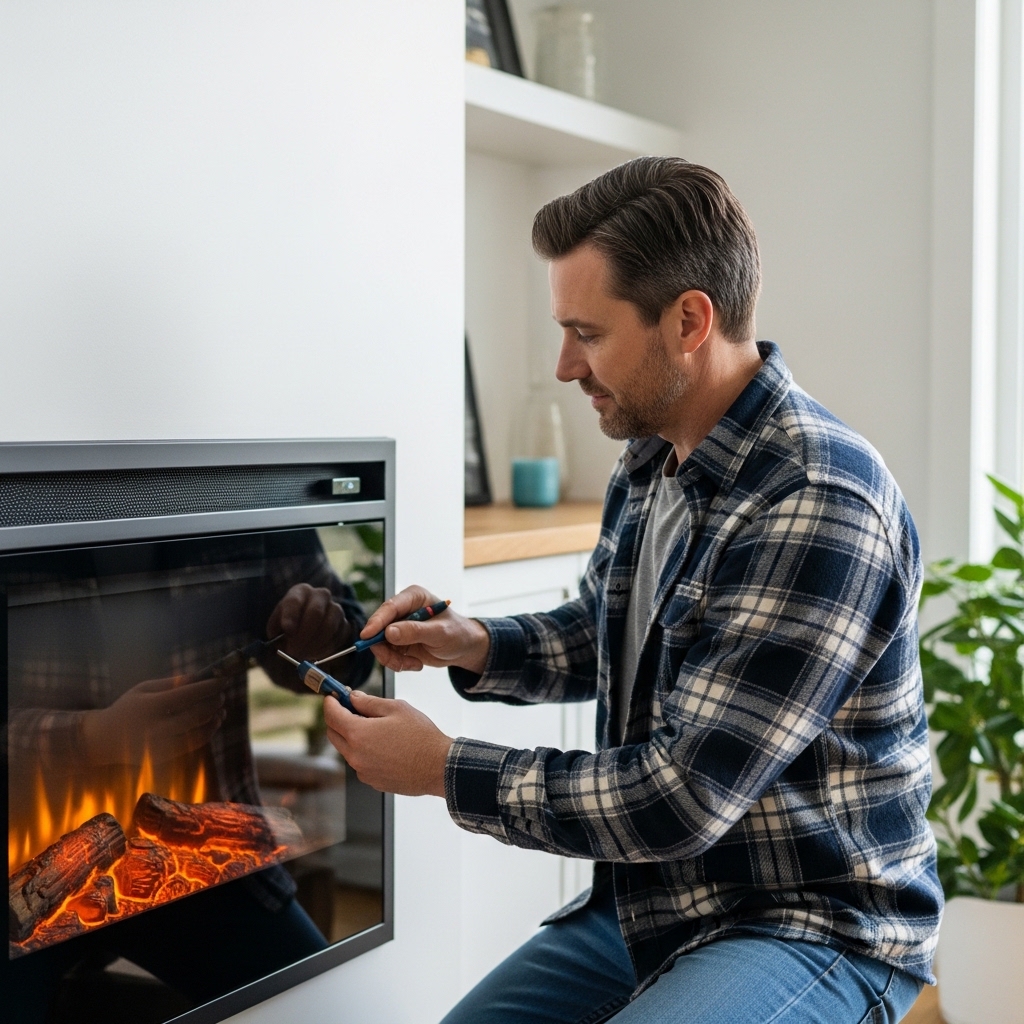

Building a mantel for a fireplace is a structural and aesthetic task that requires precise measurement, appropriate materials, and adherence to local building codes. The process involves constructing a shelf that sits above the hearth, often requiring framing, drywall finishing, and specific clearances to ensure safety and functionality. Homeowners often undertake this project to enhance the room’s appearance or to add a decorative surface for seasonal displays, but the structural integrity of the mantel for a fireplace is paramount.
It must support its own weight plus any decorative items, while maintaining safe distances from the heat source. Understanding the difference between a decorative surround and a structural mantel is the first step in planning this renovation. For those considering pre-made options, such as the corner fireplace stand solutions, it helps to understand how custom builds differ in installation and load-bearing requirements.
Before picking up a saw, it is essential to verify the type of fireplace you are working with, as gas, wood, and electric units have different clearance requirements.
- The materials chosen, whether it is solid wood, MDF, or stone, will dictate the finishing process and the weight the wall must support.
- Many homeowners prefer to build a mantel that matches their existing trim or creates a focal point in the living room.
- This guide covers the critical steps from measuring and framing to finishing and safety checks, ensuring the final result is both beautiful and compliant.
- By following these guidelines, you can avoid common mistakes like insufficient support or incorrect clearances that could lead to damage or safety hazards.
- The goal is to create a durable, functional piece that enhances the home’s value and comfort.

Structural and Safety Considerations for Building a Mantel
Building a mantel is not just about aesthetics; it is a structural project that must account for weight, heat, and local codes. The mantel shelf must be strong enough to hold its own weight plus any decorative items, such as vases, picture frames, or holiday décor. For wood-burning fireplaces, the mantel must maintain a specific clearance from the firebox to prevent heat damage.
This clearance is typically measured from the top of the firebox opening to the bottom of the mantel shelf. Always consult your local building codes and the fireplace manufacturer’s installation manual for exact requirements, as these can vary by region and unit type. Ignoring these clearances can lead to warping, discoloration, or even fire hazards. If you are unsure about the required clearance, it is best to err on the side of caution and install the mantel higher.
| Factor | Consideration |
|---|---|
| Clearance | Check manufacturer specs for distance from firebox |
| Material | Wood, MDF, stone, or concrete based on heat and weight |
| Support | Wall studs, brackets, or full framing for heavy loads |
| Finish | Heat-resistant paint or sealant for wood near heat sources |
Choosing the right material is critical for both durability and safety. Solid wood is a popular choice for its strength and natural look, but it must be properly sealed to resist heat and moisture. Medium-density fiberboard (MDF) is another option, often used for painted mantels due to its smooth surface. However, MDF is less resistant to heat and moisture than solid wood, so it is best suited for electric fireplaces or units with adequate clearance.
Stone and concrete are excellent for heat resistance but require professional installation due to their weight. The material choice also affects the finishing process; wood may need staining or painting, while stone requires sealing. Consider the overall weight of the mantel when planning the support structure. A heavy stone mantel may require additional framing or wall reinforcement, while a lightweight wood mantel can often be mounted directly to studs with appropriate hardware.
Measuring and Framing for a Secure Fit
Accurate measurement is the foundation of a successful mantel build. Start by measuring the width of the fireplace opening, then add the desired overhang on each side. A common overhang is 6 to 12 inches per side, but this can vary based on the room’s proportions and the mantel’s design. Measure the height from the top of the firebox to the desired mantel position, ensuring you meet the required clearance.
Use a level to mark the height on both sides of the fireplace, then use a straightedge to connect the marks. This line will serve as the guide for installing the support framing. If the wall is not straight, you may need to adjust the framing to ensure the mantel sits level. For wider mantels, consider adding a central support bracket or a full frame to prevent sagging over time.
Framing the mantel provides the necessary support for the shelf and any decorative elements. For wood mantels, a simple frame made of 2×4 lumber can be attached to the wall studs. The frame should extend slightly beyond the mantel’s width to provide a solid mounting surface. Use a stud finder to locate the wall studs, then mark their positions on the wall. Attach the framing to the studs using wood screws and a level to ensure it is straight.
If the mantel is heavy, consider adding a back brace or additional support brackets. For stone or concrete mantels, the framing may need to be reinforced with metal brackets or a full stud frame. Always check the load-bearing capacity of the wall before installing a heavy mantel. If the wall is not capable of supporting the weight, consider a lighter material or consult a structural engineer for reinforcement options.
Material Selection and Heat Resistance
The material you choose for your mantel will impact its appearance, durability, and maintenance needs.
- Solid wood, such as oak, maple, or pine, is a classic choice that offers strength and a natural look.
- Wood can be stained or painted to match the room’s decor, but it requires regular maintenance to protect against moisture and heat.
- MDF is a cost-effective option that provides a smooth surface for painting and is lightweight and easy to work with.
- MDF is not as heat-resistant as solid wood, so it is best used with electric fireplaces or units with sufficient clearance.
- Stone, such as marble, granite, or limestone, is a premium option that offers excellent heat resistance and a luxurious look.
- Stone mantels are heavy and require professional installation, but they are durable and low-maintenance.
- Concrete is another heat-resistant option that can be cast in place or purchased as a pre-formed unit.
- Concrete is versatile and can be finished to resemble stone or left raw for a modern look.
When selecting materials, consider the fireplace type and the room’s usage. For wood-burning fireplaces, choose materials that can withstand high temperatures and direct heat. Avoid using materials that are prone to warping, cracking, or charring. For gas fireplaces, the heat is generally lower, but still requires heat-resistant materials. Electric fireplaces produce the least heat, so they offer more flexibility in material choice.
Regardless of the fireplace type, always use heat-resistant paint or sealant on wood mantels to protect against discoloration and damage. For stone and concrete, use a high-quality sealer to protect against stains and moisture. Consider the maintenance requirements of each material when making your decision. Wood may need periodic refinishing, while stone and concrete require occasional cleaning and sealing. Choose a material that fits your lifestyle and maintenance preferences.
Installation Steps and Hardware Requirements
Installing the mantel requires careful attention to detail and the right hardware. Start by attaching the framing to the wall studs using wood screws. Ensure the framing is level and secure before proceeding. For wood mantels, attach the shelf to the framing using wood screws and a level. If the mantel is heavy, consider using metal brackets or a back brace for additional support. For stone or concrete mantels, use heavy-duty anchors or a professional mounting system.
Always follow the manufacturer’s instructions for the specific mantel and hardware. Use a level to ensure the mantel is straight and secure. Check the mantel for stability by gently pushing on it. If it feels loose or wobbly, add additional support or tighten the hardware. For mantels with decorative elements, ensure they are securely attached and do not add excessive weight to the shelf.
Finishing the mantel is the final step in the installation process. For wood mantels, apply a heat-resistant paint or stain to protect the surface. Use a high-quality primer and paint to ensure a durable finish. For stone and concrete mantels, apply a sealer to protect against stains and moisture. Use a soft cloth to apply the sealer evenly, then allow it to dry according to the manufacturer’s instructions.
Once the finish is dry, you can decorate the mantel with seasonal décor, picture frames, and other items. Keep in mind the weight limit of the mantel and avoid placing heavy items on the edges. Regularly check the mantel for signs of wear or damage, and reapply finish or sealer as needed. By following these steps, you can ensure a safe and beautiful mantel that enhances your fireplace and living room.
Common Mistakes to Avoid During Construction
Building a mantel can be a rewarding project, but there are common mistakes that can lead to problems. One of the most frequent errors is ignoring clearance requirements. Always measure the distance from the firebox to the mantel and ensure it meets the manufacturer’s specifications. Another common mistake is using the wrong material for the fireplace type. For example, using MDF on a wood-burning fireplace can lead to warping and fire hazards.
Insufficient support is another issue, especially for heavy mantels. Ensure the framing and hardware are strong enough to support the weight of the mantel and any decorative items. Poor leveling can also cause problems, leading to a crooked mantel that looks unprofessional and may be unstable. Use a level at every step of the installation process to ensure the mantel is straight and secure.
Overloading the mantel is another common mistake. While it is tempting to display many decorative items, remember the weight limit of the mantel. Heavy vases, sculptures, or picture frames can put excessive strain on the shelf and support structure. Distribute the weight evenly across the mantel and avoid placing heavy items on the edges. Inadequate finishing can also lead to damage and discoloration.
Use heat-resistant paint or sealant on wood mantels to protect against heat and moisture. For stone and concrete, use a high-quality sealer to protect against stains. By avoiding these common mistakes, you can ensure a safe, durable, and beautiful mantel that enhances your fireplace and living room. Take your time with each step of the process, and don’t hesitate to consult a professional if you are unsure about any aspect of the project.
Maintenance and Long-Term Care for Your Mantel
Maintaining your mantel is essential to keep it looking its best and ensuring its longevity. For wood mantels, regular cleaning with a soft cloth and mild detergent is recommended. Avoid using abrasive cleaners or harsh chemicals that can damage the finish. Periodically inspect the mantel for signs of warping, cracking, or discoloration, and reapply finish or sealant as needed.
For stone and concrete mantels, use a soft brush or vacuum to remove dust and debris. Wipe down the surface with a damp cloth and a mild cleaner, then dry thoroughly. Apply a sealer every few years to protect against stains and moisture. Check the mantel for any loose hardware or signs of wear, and tighten or replace components as needed. Regular maintenance will help preserve the appearance and structural integrity of your mantel for years to come.
Seasonal care is also important for mantels. During the holiday season, be mindful of the weight of decorations and avoid overloading the shelf. Use lightweight items or distribute the weight evenly to prevent strain on the support structure. After the holidays, clean the mantel thoroughly to remove any dust or debris. For wood mantels, consider applying a fresh coat of finish or stain to protect the surface.
For stone and concrete, reapply sealer if the surface appears dull or stained. By following these maintenance tips, you can keep your mantel looking beautiful and ensure it continues to enhance your fireplace and living room. A well-maintained mantel is a valuable addition to your home, adding both style and functionality to your space.
Building a mantel for a fireplace is a project that requires careful planning, the right materials, and attention to safety. By following the steps outlined in this guide, you can create a durable, functional, and beautiful mantel that enhances your home. Always prioritize safety and compliance with local building codes, and don’t hesitate to consult a professional if you are unsure about any aspect of the project.
A well-built mantel is a long-term investment in your home’s value and comfort. Take your time with the process, and enjoy the satisfaction of a job well done. For more information on fireplace care and maintenance, consider exploring related topics on our site to ensure your fireplace remains a safe and cozy centerpiece for your home.


Write Your Review
No reviews yet. Be the first to share your experience!