


Replacing the front glass on a gas fireplace typically requires matching the exact dimensions of the firebox opening and confirming the glass thickness and type. Homeowners often face this task when the original tempered glass cracks, becomes discolored, or when they wish to upgrade to a model with better viewing angles or safety features. Understanding the specific measurements and compatibility requirements is the first step in ensuring a secure and functional installation.
The gas fireplace front glass replacement process is more than just swapping a pane; it involves checking the frame integrity, ensuring proper clearances, and verifying that the new unit fits the existing masonry or prefabricated structure. Since glass doors serve as a safety barrier, using the correct tempered glass is critical for preventing heat damage and maintaining safe operation. This guide breaks down the essential measurements and selection criteria to help you find the right fit for your specific fireplace model.
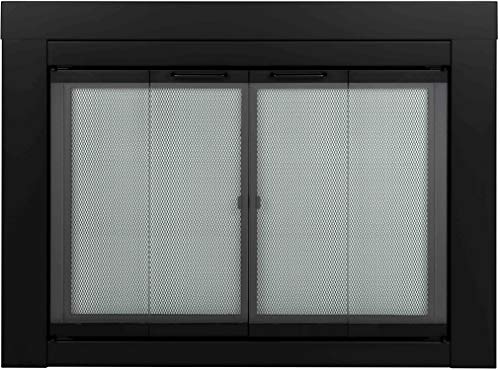
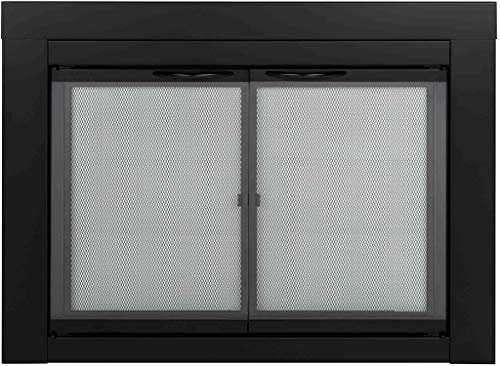
Accurate measurement is the most critical factor in selecting a replacement glass door. The fit depends on the width and height of the firebox opening, not just the overall frame size. A mismatch can lead to gaps that compromise safety or prevent the door from sealing correctly. Below are the key dimensions to verify before purchasing any replacement unit.
| Measurement Type | Description | Typical Range |
|---|---|---|
| Firebox Width | Inner horizontal width of the opening | 30″ – 43″ |
| Firebox Height | Inner vertical height of the opening | 22.5″ – 32.5″ |
| Glass Thickness | Standard tempered glass weight | 3/16″ or 0.1875″ |
When measuring, use a steel tape measure to get the precise inner dimensions of the fireplace opening. The frame of the new door must align with the existing trim or mounting points. If your fireplace is a masonry unit, the requirements differ significantly from prefabricated models, so verifying the construction type is essential. This distinction prevents installation errors that could damage the hearth or void the product warranty.
Here are the critical checks to perform before ordering a new glass door:
- Measure the inner width of the firebox at the top, middle, and bottom.
- Measure the inner height of the firebox at the left, center, and right.
- Check if the fireplace is masonry or prefabricated to ensure compatibility.
- Verify the existing glass thickness to match the replacement standard.
- Inspect the frame for any warping or damage that might affect fit.
Understanding Glass Thickness and Safety Standards
Most replacement fireplace doors use clear tempered glass, typically 3/16 inch or 0.1875 inch thick. This thickness provides the necessary strength to withstand high heat without shattering. Tempered glass is treated to be stronger than standard annealed glass, offering better thermal shock resistance. Using non-tempered glass is dangerous and should never be considered for active fireplace use.
The glass must be rated for the specific heat output of your gas fireplace. Higher-output units may require glass with a higher temperature rating, which is often indicated by the manufacturer’s specifications. Always confirm that the replacement glass meets the thermal requirements of your existing system. This ensures the glass remains intact during normal operation and does not crack due to thermal stress.
Masonry vs. Prefabricated Fireplace Compatibility
One of the most common installation errors is attempting to install a door designed for masonry fireplaces into a prefabricated unit. Masonry fireplaces are built with brick or stone and have different structural tolerances than factory-built metal units. Many replacement doors are explicitly labeled for masonry use only, meaning they are not compatible with prefabricated systems.
Prefabricated fireplaces often have specific mounting requirements and clearance distances that differ from masonry structures. Installing a masonry-rated door in a prefabricated unit can lead to improper fit, overheating of surrounding materials, or safety hazards. Always check the product description for compatibility warnings. If your fireplace is prefabricated, look for doors specifically engineered for that type of installation to ensure a safe and secure fit.
If you are unsure about your fireplace type, consult the original installation manual or contact a qualified professional. Misidentifying the unit type can result in a door that does not seal properly, leading to heat loss and potential safety issues. Correct identification is the foundation of a successful replacement project.
Measuring the Firebox Opening Correctly
Measuring the firebox requires attention to detail to avoid ordering a door that is too large or too small. Start by measuring the inner width of the opening at three points: the top, the middle, and the bottom. Take the smallest of these measurements as your primary width reference. This accounts for any slight tapering or irregularities in the fireplace structure.
Next, measure the inner height at the left, center, and right sides. Again, use the smallest measurement to ensure the door will fit within the opening without obstruction. The overall frame dimensions of the replacement door must be slightly smaller than these inner measurements to allow for proper installation and clearance. Refer to the specific product dimensions provided by the manufacturer to compare against your measurements.
Some doors have adjustable features or flexible frames that can accommodate a range of sizes. For example, a door listed for a 30 to 37-inch width opening may fit various fireboxes within that range. However, the height must also fall within the specified range for a proper fit. Double-check both dimensions against the product specifications to confirm compatibility.
Choosing Between Bi-Fold and Single-Panel Doors
The style of the door affects both functionality and aesthetics. Bi-fold doors consist of two panels that swing open to 180 degrees, providing full access to the fireplace interior. This design is popular for cleaning and maintenance, as it allows easy access to the firebox. Single-panel doors, on the other hand, swing open on one side and may offer a cleaner, more modern look.
Consider how you will use the fireplace when choosing between these styles. If you plan to use the fireplace for supplemental heat, a door that seals tightly is essential. Bi-fold doors with mesh panels can provide ventilation when the fire is not burning, helping to reduce heat loss. The choice of door style should align with your heating needs and the existing design of your home.
Here are the key features to consider when selecting a door style:
- Bi-fold doors offer full access for cleaning and maintenance.
- Single-panel doors provide a sleek, modern appearance.
- Mes panel doors allow ventilation when the fire is not active.
- Check the hinge mechanism to ensure smooth and secure operation.
- Consider the handle style for ease of use and safety.
Safety Considerations During Installation
Installing a new fireplace glass door involves several safety precautions that must be followed. First, ensure the gas supply to the fireplace is turned off before beginning any work. This prevents accidental ignition or gas leaks during the installation process. Use appropriate tools and wear protective gloves to avoid injury from sharp edges or heavy components.
When handling the new glass door, be careful not to drop or scratch the tempered glass. Tempered glass is strong but can shatter if subjected to significant impact or improper handling. Transport the door carefully and store it in a safe location until installation. If the door is damaged during transit or handling, do not attempt to install it; contact the manufacturer for a replacement.
After installation, verify that the door seals properly and that all hardware is securely fastened. Test the door by opening and closing it several times to ensure smooth operation. If the door does not seal tightly, check for obstructions or misalignment. A proper seal is crucial for maintaining safe operation and preventing heat loss from the fireplace.
Verifying Manufacturer Specifications and Warranty
Always review the manufacturer’s specifications and warranty terms before purchasing a replacement glass door. The warranty typically covers defects in materials and workmanship but may not cover damage caused by improper installation or use. Read the warranty terms carefully to understand what is covered and what is excluded.
Some manufacturers require professional installation to maintain the warranty. If you are not confident in your ability to install the door correctly, consider hiring a qualified fireplace professional. This ensures the installation meets all safety standards and maintains the warranty coverage. Professional installation can also provide peace of mind, knowing the job was done correctly and safely.
Keep all documentation, including the installation manual and warranty certificate, in a safe place. These documents may be required if you need to make a warranty claim in the future. By following the manufacturer’s guidelines and keeping proper records, you can ensure a successful and long-lasting fireplace glass replacement.
For more information on maintaining your fireplace system, you may find our guide on fireplace covers for draft control helpful. Proper maintenance and the right accessories can extend the life of your fireplace and improve its efficiency.
Choosing the right gas fireplace front glass replacement requires careful attention to measurements, compatibility, and safety. By following the steps outlined in this guide, you can select a door that fits your fireplace perfectly and operates safely for years to come. Always prioritize quality and safety over cost, and consult a professional if you have any doubts about the installation process.


Write Your Review
No reviews yet. Be the first to share your experience!