
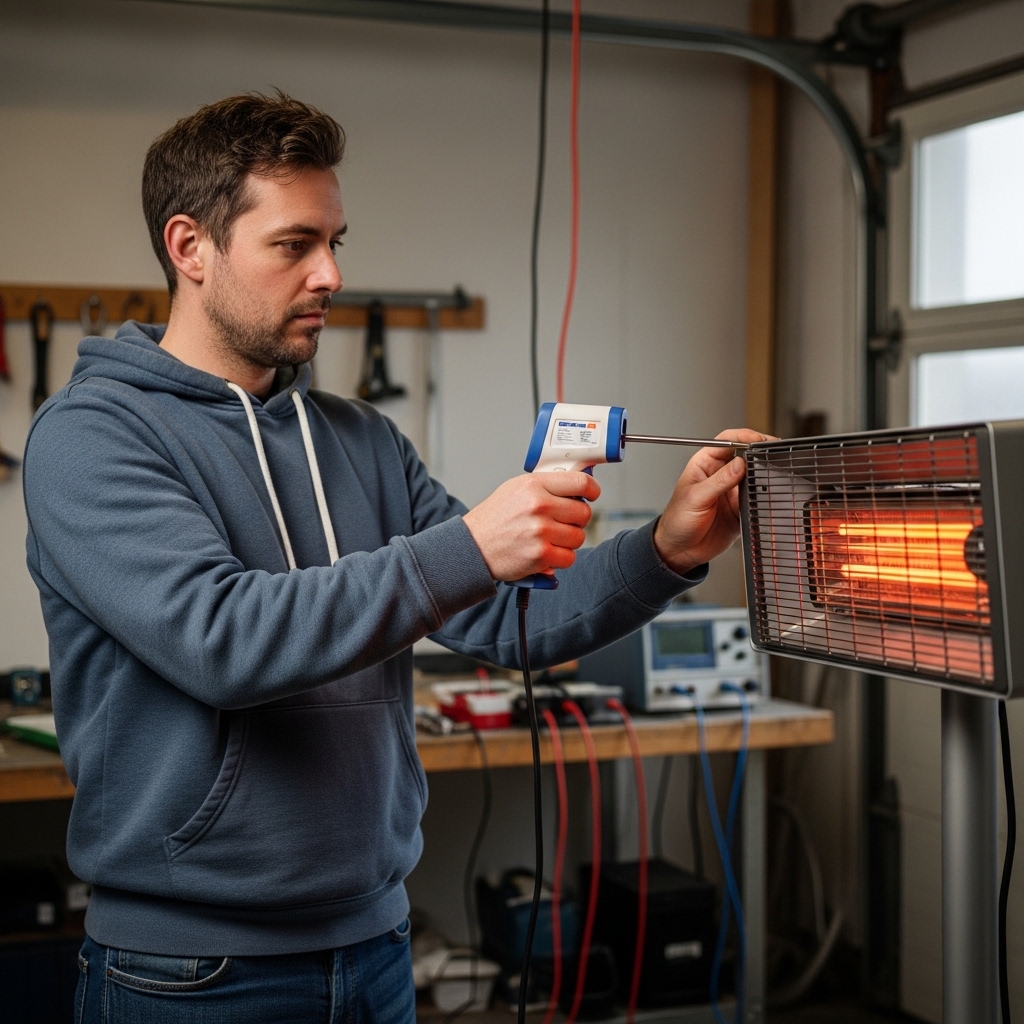

Many homeowners assume that electric fireplaces and space heaters are interchangeable devices, but they serve distinct primary purposes. While both use electricity to generate warmth, an electric fireplace is designed primarily for aesthetic ambiance with heating as a secondary feature, whereas a dedicated space heater focuses almost exclusively on efficient heat output. Understanding this distinction helps you choose the right device for your specific comfort needs and room layout.
The core difference lies in the integration of visual flame effects and the structural design of the unit. Electric fireplaces often include 3D flame effects and decorative elements that mimic traditional wood-burning units, allowing them to be used year-round for visual appeal without heat.
Space heaters, conversely, are typically utilitarian in design, prioritizing heating efficiency and safety features like tip-over protection over visual aesthetics. This distinction is crucial for buyers who want supplemental heat without the visual distraction of a heater, or those who desire the cozy look of a fire without the maintenance of real wood.

Pros
- Realistic 3D flame effect with glowing logs and adjustable brightness for a true fireplace experience.
- Infrared heat delivers consistent, quiet warmth without drying the air, ideal for sensitive users.
- Portable and lightweight at 28.6 lbs, making it easy to move between rooms or take on trips.
- Charming design with side windows, opening glass door, and brick-style back panel enhances home decor.
- Adjustable thermostat and separate flame controls offer flexible ambiance and comfort.
Cons
- No remote control included for adjusting settings from a distance.
- Fan noise may be noticeable on higher heat settings, though it remains relatively quiet.
- Cord length could be limiting for placement far from an outlet without an extension cord.
The Duraflame Freestanding Electric Fireplace Stove Heater combines the classic look of a wood stove with modern infrared heating technology. This freestanding unit is designed to provide supplemental warmth and a cozy ambiance in spaces up to 1,000 square feet. It is an excellent choice for homeowners, apartment residents, RV owners, and anyone wanting to add a touch of cabin comfort to a living room, bedroom, home office, or basement.
Heating performance is centered around its infrared quartz element, which warms objects and people directly without overheating the air. Many users appreciate how the heat feels natural and maintains consistent temperatures without the dry, stuffy feeling of forced-air heaters. The adjustable thermostat lets you set your preferred warmth, and the unit can be used on its own or as a supplement to central heating to reduce energy costs during winter months.
The 3D flame effect is a standout feature, with realistic glowing logs and an adjustable brightness dial that mimics the look of a real fire. You can operate the flames with or without heat, making it perfect for year-round enjoyment. The independent controls allow you to set the temperature and flame intensity separately, so you can create a calming atmosphere even when heating is not needed.
Build quality appears solid, with a durable metal cabinet finished in black. The design includes side viewing windows and a front glass door that actually opens, adding to the authenticity. A brick-style back panel completes the classic stove look. The unit is portable at 28.6 pounds, with a compact footprint (13.07 x 24 x 23.4 inches), making it easy to move from room to room or take along in an RV or cabin.
Setup is straightforward: simply remove from the box, place on a level surface, and plug into a standard outlet. The heater operates quietly, suitable for bedrooms or offices, though some users note a soft fan hum on higher settings. Safety features like overheat protection and a cool-touch exterior are typical for this type of heater, providing peace of mind. A potential limitation is the lack of a remote control, which means you'll need to get up to adjust settings. Also, the cord length may require careful placement near an outlet.
Overall, the Duraflame Freestanding Electric Fireplace Stove Heater offers an appealing blend of rustic charm, effective supplemental heating, and realistic flame effects. It is well-suited for those who want to warm a single room without raising the whole house's thermostat, or for anyone who loves the look and feel of a real fire without the mess. Its portability and flexible controls make it a practical addition to any cozy home setup.
The Duraflame electric stove uses infrared quartz heating to warm people and objects directly, providing comfortable, even heat without excessive noise or air circulation. The heater covers up to 1,000 square feet, making it suitable for large living rooms, open-plan apartments, or basement spaces. The adjustable thermostat allows you to set a specific temperature, and the unit will cycle on and off to maintain that level, helping to save energy when used as a supplemental heater. Many homeowners find that using this stove in the room they occupy most allows them to lower the central thermostat, reducing overall heating bills. The heat output is steady and does not produce the dry air often associated with fan-forced heaters, which is a plus for those with allergies or dry skin.
The 3D flame technology creates a remarkably lifelike fire with glowing logs and an adjustable brightness setting. You can choose from multiple brightness levels to match your mood, from a bright, cheery fire to a soft, calming glow perfect for a nightlight. The flames can be operated independently of the heat, so you can enjoy the cozy ambiance in the summer or on milder days without warming the room. The side windows and opening front door enhance the realism, allowing you to see the faux logs and flames from multiple angles. This feature is especially appreciated by families looking to create a focal point in a living room or bedroom without the mess or maintenance of a real wood fire.


Pros
- Integrated humidifier addresses dry indoor air while operating supplemental heating
- Plug-and-play freestanding installation requires no chimney, venting, or architectural modifications
- Multiple control options via the front-facing LED display panel or the included remote control
- Equipped with verified safety shutoffs including tip-over and overheat sensors
Cons
- Vertical tower profile presents a narrower viewing window compared to traditional wide mantel fireboxes
- Active humidifier usage introduces regular maintenance requirements for water refilling and reservoir cleaning
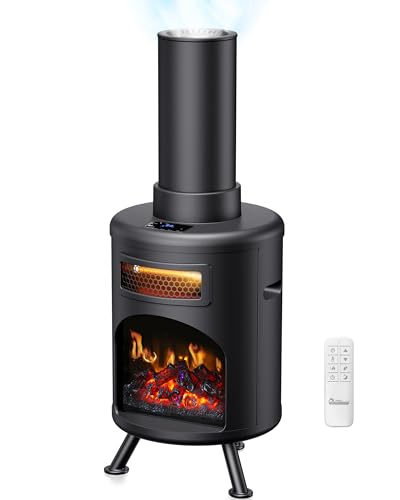
The Dr. Infrared Heater DR-991 is a freestanding electric fireplace heater engineered to deliver supplemental warmth and ambient flame visuals without the construction demands of traditional hearths. Designed for renters, homeowners, and apartment dwellers who face restrictions on venting or chimney access, this unit offers a self-contained alternative. It plugs directly into a standard 120V wall outlet, providing a straightforward option for spaces where installing a gas line or masonry hearth is impractical.
At the core of the appliance is a 1500W infrared heating element paired with an integrated 3D flame effect. The flame display features two adjustable brightness levels to tailor visual ambiance independently or alongside the heater. Users can select from three heat settings, including High, Low, and an Auto mode that works in tandem with the built-in digital thermostat. Adjustments can be managed directly on the unit through its LED display panel or across the room with the included remote control, which also governs a 12-hour shutoff timer.
A notable functional distinction of the DR-991 is its built-in humidifier. Supplemental heating appliances frequently lower indoor relative humidity, leading to dry air during colder months. By incorporating an active moisture reservoir, this unit works to balance ambient room comfort while warming. For safety, the unit holds an ETL listing and incorporates automatic tip-over and overheat protection sensors that cut power if the heater is knocked askew or exceeds internal operating temperatures.
With dimensions measuring 14.2 inches long, 14.2 inches wide, and 36.8 inches tall, the unit takes up a compact, vertical floor footprint. Weighing 19.4 pounds and equipped with a 6-foot electrical cord, it can be relocated between rooms as heating needs change. As with any high-wattage electrical appliance, proper clearance should be maintained around the heater cabinet to ensure unobstructed airflow, and the manufacturer instructions should be consulted regarding placement near walls, curtains, and furniture.
Potential buyers should recognize that the vertical tower styling differs significantly from traditional wide mantel fireplaces, catering more to modern space-saving setups. In addition, utilizing the humidifier function introduces routine maintenance, as the water tank requires regular refills and occasional cleaning to prevent mineral buildup. For shoppers seeking an all-in-one zone heater that combines flame ambiance, infrared warmth, and air moisture management, the DR-991 represents a practical, low-maintenance hearth alternative.
The DR-991 provides flexible operation through either its onboard LED display panel or the included handheld remote control. Users can toggle between High, Low, and Auto operational modes to match immediate comfort requirements. In Auto mode, the built-in digital thermostat actively cycles the 1500W heating element to maintain a selected ambient temperature.
A built-in 12-hour timer allows homeowners to set scheduled shutoffs in advance, which can prevent unnecessary overnight electrical consumption. The 3D flame effect operates with two distinct brightness levels, allowing users to tailor the visual display to daytime or evening lighting preferences.
Setup for the DR-991 requires no venting, gas connections, or permanent wall framing. The freestanding design sits directly on flat interior flooring and plugs into any standard 120V electrical outlet via its 6-foot cord. Because this model draws up to 1500W, users should ensure the circuit can accommodate high-draw appliances without tripping breakers.
While the exterior footprint is compact at 14.2 by 14.2 inches, adequate clearance must be kept around the intake and exhaust grilles as outlined in the manufacturer documentation. Combustible materials like drapes, bedding, and loose papers should remain clear of the unit during operation.
Is an Electric Fireplace the Same as a Space Heater?
The short answer is no; they are distinct categories of home heating and decor. An electric fireplace is a decorative appliance that simulates the look of a real fire, often featuring realistic flames, glowing logs, and sometimes a crackling sound.
While many modern electric fireplaces include a heating element, the primary design intent is to provide visual ambiance and a sense of warmth without the need for a chimney, flue, or actual combustion. A space heater, on the other hand, is a functional appliance designed specifically to raise the temperature of a small area. Its primary goal is thermal efficiency, and it typically lacks the decorative elements found in fireplaces.
| Feature | Electric Fireplace | Space Heater |
|---|---|---|
| Primary Purpose | Ambiance and Decor | Supplemental Heat |
| Flame Effect | Yes (Visual Simulation) | No |
| Heating Output | Variable (Often 750W-1500W) | High (Often 1500W+) |
| Year-Round Use | Yes (Flame-Only Mode) | No (Heat Only) |
| Design Focus | Aesthetic Integration | Functional Efficiency |
| Installation | Freestanding or Built-in | Freestanding or Wall-mounted |
Understanding these differences allows you to make an informed decision based on whether you value the visual appeal of a fire or the raw heating power of a dedicated unit. The following list highlights the key operational differences to consider before purchasing.
- Electric fireplaces offer a flame-only mode for year-round visual appeal without heat.
- Space heaters focus on maximizing thermal output for quick warming of small areas.
- Fireplace designs often integrate into home decor, while heaters are utilitarian.
- Heating elements in fireplaces may be less powerful than dedicated heaters.
- Space heaters typically lack the decorative glass and log sets of fireplaces.
- Fireplaces can serve as a focal point in living rooms and bedrooms.
Heating Power and Efficiency
The heating capacity of an electric fireplace is often comparable to a standard space heater, typically ranging from 750 to 1500 watts. This output is sufficient for warming a small to medium-sized room, such as a bedroom or home office, but it is not intended to heat an entire house.
The heating element in these units is usually a fan-forced ceramic or quartz heater that blows warm air into the room. However, the efficiency of heat delivery can be affected by the unit’s design, as some heat may be absorbed by the decorative components or lost through the glass front if the unit is not well-sealed.
Dedicated space heaters are engineered to maximize heat transfer, often featuring more powerful fans and optimized airflow channels. They may offer higher wattage options, such as 2000 watts, for faster heating in colder environments.
When comparing the two, it is important to note that the BTU output of a 1500-watt unit is approximately 5110 BTUs, regardless of whether it is housed in a fireplace or a standard heater. The key difference is that the fireplace may prioritize the flame effect over maximum airflow, potentially resulting in slightly slower heat distribution in larger spaces.
Visual Ambiance and Year-Round Use
One of the most significant advantages of an electric fireplace is its ability to provide visual comfort without generating heat. This feature allows homeowners to enjoy the cozy glow of a fire during warmer months, such as spring and summer, when heating is not needed.
The flame effect is usually created using LED lights, water vapor, or projection technology, and it can be adjusted for brightness and color. This flame-only mode is a unique selling point that space heaters do not offer, making electric fireplaces a versatile addition to any living space.
The aesthetic appeal of an electric fireplace can enhance the overall design of a room, serving as a focal point that adds warmth and character. Many models feature realistic log sets, ember beds, and glass fronts that mimic the look of a traditional wood-burning fireplace. In contrast, space heaters are generally designed to be unobtrusive, with simple, functional exteriors that do not contribute to the room’s decor. For buyers who value both heat and ambiance, an electric fireplace offers a dual-purpose solution that a standard space heater cannot match.
Safety Features and Operation
Both electric fireplaces and space heaters are equipped with safety features to prevent accidents, but the specific mechanisms may differ. Common safety features include overheat protection, which automatically shuts off the unit if internal temperatures become too high, and tip-over protection, which cuts power if the unit is knocked over.
Electric fireplaces often have a cool-touch exterior to prevent burns, especially important in homes with children or pets. Space heaters may have similar features, but their design may expose more of the heating element, requiring careful placement away from flammable materials.
Operation of an electric fireplace is typically more complex than a space heater due to the additional controls for the flame effect. Users can adjust the flame brightness, heat output, and sometimes the sound of crackling logs. This level of control allows for a personalized experience, but it may require more familiarity with the unit’s settings.
Space heaters, on the other hand, are usually straightforward to operate, with simple knobs or buttons for selecting heat settings and timers. The ease of use can be a deciding factor for older adults or those who prefer minimal complexity in their home appliances.
- Check for overheat protection to prevent internal damage and fire risks.
- Verify tip-over protection for added safety in homes with children or pets.
- Ensure the unit has a cool-touch exterior to minimize burn hazards.
- Look for independent controls for flame and heat to customize usage.
- Confirm the unit meets ETL or UL safety certifications for quality assurance.
- Read the manual for specific clearance requirements around the unit.
Installation and Placement Considerations
The installation of an electric fireplace can vary depending on the model. Some units are designed to be freestanding, allowing for easy relocation from room to room, while others are built-in or wall-mounted, requiring more permanent installation. Freestanding models offer flexibility, making them ideal for renters or those who frequently rearrange their furniture.
Built-in models, however, provide a more integrated look and may be better suited for permanent installations in living rooms or bedrooms. When choosing a placement location, consider the clearance requirements specified by the manufacturer to ensure safe operation and prevent overheating.
Space heaters are almost always freestanding, designed to be moved easily as needed. This portability is a major advantage for users who want to heat different areas of the house throughout the day. However, the lack of a permanent installation means that space heaters may not contribute to the room’s aesthetic in the same way as a built-in electric fireplace.
When placing either type of unit, ensure that it is on a stable, level surface and away from curtains, furniture, and other flammable materials. The manufacturer’s instructions will provide specific clearance distances, which should be strictly followed to maintain safety and performance.
Cost and Operating Expenses
The initial cost of an electric fireplace is generally higher than that of a standard space heater, reflecting the additional features and design elements. However, the operating costs are similar, as both units use electricity to generate heat. The energy consumption of a 1500-watt unit is approximately 1.5 kilowatt-hours per hour of use, which can add up over time if used extensively.
To manage costs, consider using the flame-only mode during warmer months and limiting heat usage to when it is truly needed. Some electric fireplaces also offer energy-saving features, such as programmable thermostats and timers, which can help reduce unnecessary energy consumption.
Space heaters may be a more cost-effective option for those who primarily need heat and do not care about the visual appeal of a fire. They are often available at lower price points and can be purchased in a variety of styles and sizes.
However, the lack of ambiance may make them less desirable for living areas where aesthetics are important. When comparing the two, consider your primary needs and how you plan to use the unit. If you value both heat and visual comfort, an electric fireplace may be a worthwhile investment, even if the initial cost is higher.
Choosing the Right Unit for Your Home
Selecting the right unit depends on your specific needs and preferences. If you are looking for a device that provides both heat and ambiance, an electric fireplace is the better choice. It can serve as a focal point in your living room or bedroom, adding a touch of warmth and character to your space.
Look for models with realistic flame effects, adjustable heat settings, and safety features to ensure a satisfying experience. On the other hand, if your primary goal is to heat a small area quickly and efficiently, a dedicated space heater may be more suitable. It will likely offer higher heat output and simpler operation, making it a practical choice for supplemental heating.
Consider the size of the room you intend to heat, as well as the climate in your area. A 1500-watt unit is generally sufficient for rooms up to 400 square feet, but larger spaces may require a more powerful heater or a different heating solution. Additionally, think about the placement of the unit and whether it will fit into your existing decor.
Electric fireplaces come in a variety of styles, from traditional to modern, allowing you to find a design that complements your home. By carefully evaluating your needs and preferences, you can choose a unit that provides the right balance of heat, ambiance, and safety for your home.
Ultimately, the decision between an electric fireplace and a space heater comes down to your priority: ambiance or efficiency. If you want the look and feel of a real fire without the maintenance, an electric fireplace is a great option. If you need quick, effective heat for a small space, a space heater will get the job done. Both devices offer safe, convenient ways to add warmth to your home, and understanding their differences will help you make the best choice for your specific situation.


Write Your Review
No reviews yet. Be the first to share your experience!